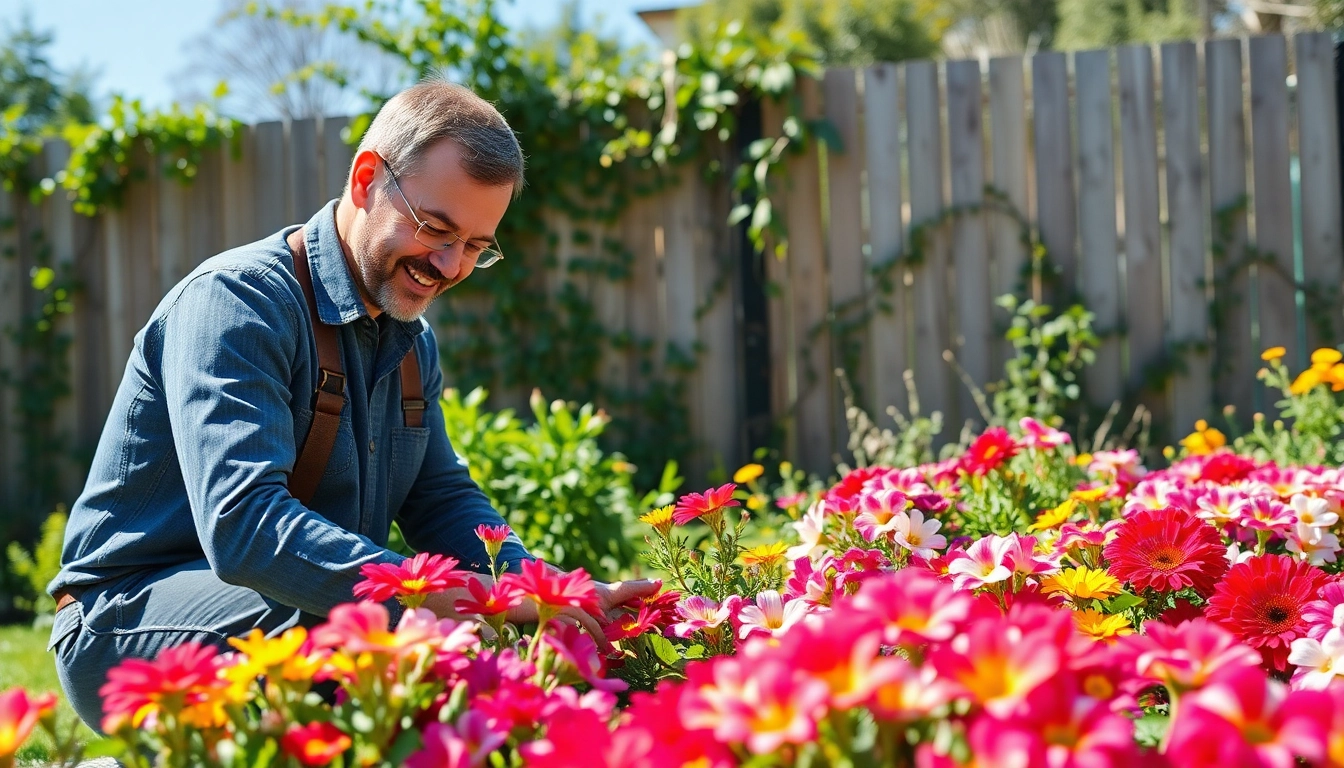
Introduction to Gardening Basics
Gardening can be a fulfilling pursuit that not only beautifies outdoor spaces but also provides food, enhances the environment, and improves emotional well-being. Understanding the fundamentals of gardening is crucial for beginners and seasoned gardeners alike, as these basics lay the foundation for successful planting and maintenance of a thriving garden. From soil preparation to harvesting, learning these essential skills can make a significant impact. This guide provides a comprehensive overview of key gardening techniques, common challenges, and best practices to cultivate flourishing plants and beautiful spaces. Whether you're interested in starting a vegetable garden, a flower bed, or even a rooftop garden, the principles remain largely the same. Discover how engaging with the earth can be a rewarding adventure in your life, involving not just the planting of seeds but the nurturing of life itself. For further inspiration, explore the diverse world of Gardening and all it has to offer.
Understanding Plant Needs
Plants are living organisms with specific requirements that must be met to thrive. Understanding these needs involves considering aspects such as light, water, nutrients, and temperature. Here’s a breakdown of essential plant requirements.
- Light: Different plant species require varying amounts of sunlight. Some thrive in full sun with six to eight hours of direct sunlight daily, while others may prefer partial shade. Knowing your plant's lighting preferences is crucial for placement in your garden.
- Water: Watering needs depend on a plant's type, growth stage, and environmental conditions. Overwatering or underwatering can lead to stress or death, so it’s vital to understand the moisture needs of your plants.
- Nutrients: Plants need macronutrients like nitrogen, phosphorus, and potassium, along with micronutrients for healthy growth. Soil quality greatly affects nutrient availability.
- Temperature: Knowing the temperature range for your plants will help in their positioning. Some varieties prefer cooler temperatures, while others thrive in heat.
Choosing the Right Location
Selecting an appropriate location for your garden can significantly impact your plants' success. Here are key factors to consider:
- Sunlight Exposure: Choose a location that accommodates your plants' light requirements, whether it's full sun, partial shade, or full shade.
- Wind Protection: Some plants, particularly delicate seedlings, benefit from being shielded from strong winds that could damage them.
- Accessibility: Ensure that your garden is accessible for maintenance, watering, and harvesting.
- Soil Type: Consider the soil quality and drainage in your selected spot, as some areas may retain too much water or be overly dry.
Essential Tools for Every Gardener
Equipping yourself with the right tools can make gardening tasks more efficient and enjoyable. Here are some essential tools every gardener should have:
- Hand Trowel: Ideal for digging, planting, and looking after smaller spaces.
- Pruning Shears: Used for trimming and shaping plants, promoting healthy growth.
- Gardening Fork: Useful for breaking up soil and mixing in compost.
- Watering Can: Essential for directing water precisely where it's needed.
- Gloves: To protect your hands from dirt, thorns, and injury during planting and maintenance.
Soil Preparation and Fertilization
Importance of Soil Quality in Gardening
Soil is often regarded as the heart of a garden. The quality of soil affects everything from drainage to nutrient availability. There are different types of soil, including sandy, clay, silt, and loamy soil, each presenting unique properties. A well-structured loam is generally considered the best for gardens, as it holds moisture yet drains well.'
How to Amend Soil Effectively
Amending soil involves improving its composition and fertility. Here’s how to enhance soil quality:
- Testing Soil: Use a home testing kit or send a sample to a laboratory to determine pH and nutrient levels.
- Organic Matter: Adding compost, aged manure, or leaf mold can improve nutrient content and soil structure.
- Incorporate Mulch: Applying mulch not only conserves moisture but also gradually enriches the soil as it decomposes.
Understanding Organic vs. Chemical Fertilizers
When it comes to fertilization, understanding the differences between organic and chemical fertilizers is crucial. Organic fertilizers are derived from natural sources, promoting long-term soil health. In contrast, chemical fertilizers provide quick nutrients but can lead to nutrient leaching and soil degradation over time. Here are key considerations:
- Availability of Nutrients: Organic fertilizers release nutrients slowly, while chemical fertilizers provide immediate availability.
- Environmental Impact: Organic practices generally enhance biodiversity and soil health, while chemical methods can disrupt ecosystems.
- Cost-Effectiveness: Organic fertilizers may require larger quantities to achieve the same results as chemical fertilizers but tend to improve soil quality in the long run.
Planting Techniques for Success
Seed vs. Seedling: What to Choose?
Choosing between starting from seeds or seedlings can affect your gardening success significantly. Seeds provide more variety and are usually cheaper, while seedlings offer the advantage of starting the gardening season ahead. Here’s what to consider:
- Time to Harvest: Seedlings typically mature faster, leading to an earlier harvest.
- Cost: Seeds are often less expensive than buying pre-grown plants.
- Variety: Seeds provide access to a broader range of plants, including heirloom varieties.
Proper Planting Depth and Spacing
Understanding how deep to plant seeds and how far apart to space them is key to successful growth. Each plant has specific requirements for both. As a general rule, plant seeds at a depth equal to twice their diameter. For seedlings, ensure there’s adequate spacing for airflow and nutrient access.
Timing Your Planting for Optimal Growth
Timing is critical in gardening as it impacts the growth cycle. Factors to consider include:
- Season: Understanding frost dates and weather patterns is crucial for planting. Cool-season crops should be planted early, while warm-season crops thrive as temperatures rise.
- Moon Phases: Some gardeners believe that planting according to lunar cycles can enhance growth.
Watering and Maintenance Strategies
When and How to Water Your Garden
Watering is vital for healthy plant growth. Each plant has unique water requirements, but generally, you should water early in the morning to minimize evaporation. Signs that plants need water include drooping leaves and dry soil. The goal is to keep the soil consistently moist without overwatering.
Pest Control Methods for Healthy Plants
Managing pests effectively is crucial for the health of your plants. Integrated Pest Management (IPM) is a comprehensive method that combines cultural, physical, and biological strategies to control pest populations. You can introduce beneficial insects, apply organic pesticides, or use barriers to protect your plants.
Weeding and Mulching Techniques
Weeds compete with your plants for nutrients and water. Regular weeding, using mulch, and implementing landscape fabric can help manage weeds effectively. Mulching not only reduces weed growth but also retains moisture and adds organic matter to the soil as it decomposes.
Harvesting and Beyond
Recognizing When to Harvest Your Crops
Knowing when to harvest is crucial to enjoying the fruits of your labor. Specific signs vary by crop but generally involve size, color, and firmness. For instance, tomatoes should be harvested when they change from green to red (or their corresponding color), and beans should be picked when they're plump but still tender.
Preservation Techniques for Your Produce
Maximizing the life of your produce can extend its availability beyond the harvest. Techniques such as canning, freezing, dehydrating, and pickling can help preserve the freshness of fruits and vegetables. Each method requires specific processes that ensure food safety and quality.
Planning for Next Season: Crop Rotation
Crop rotation is an essential practice that helps maintain soil health and reduce pest infestations. By varying the types of plants grown in a particular space each year, you prevent soil nutrient depletion and reduce the risk of disease. Planning your rotations based on plant families can promote a healthier ecosystem in your garden.