Understanding Trade Schools in Southern California
What Are Trade Schools?
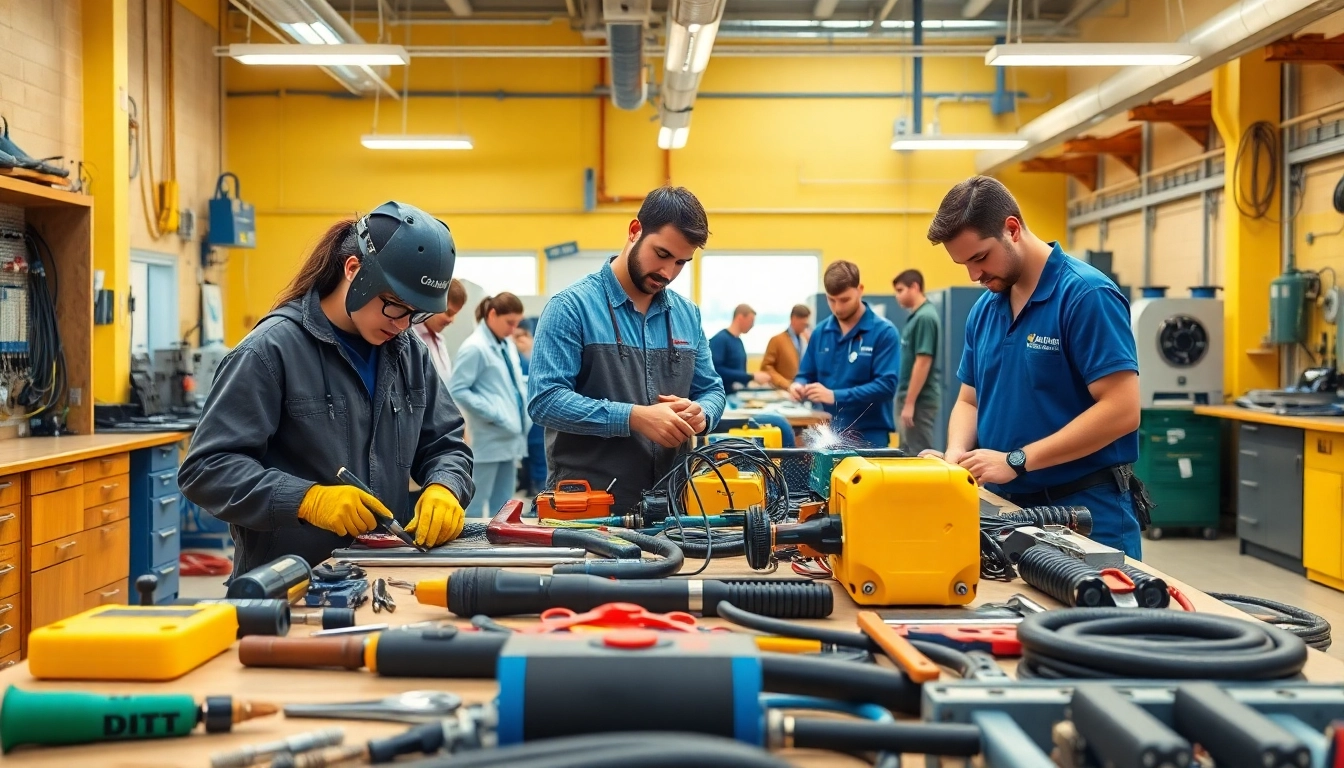
Trade schools, often referred to as vocational or technical schools, provide specialized education that prepares students for careers in various trades. Unlike traditional four-year colleges, these institutions focus on teaching practical skills and knowledge that can be directly applied in the workforce. The programs offered are designed to be hands-on and often include apprenticeships, where students gain real-world experience while studying. In southern California, trade schools cater to diverse industries spanning healthcare, construction, technology, and automotive, emphasizing the necessity of skilled workers across the job market. For those considering their educational paths, trade schools in southern California present a viable option to gain substantial skills and employment upon graduation.
Benefits of Attending Trade Schools
Choosing a trade school comes with a multitude of benefits, making it an attractive option for many students:
- Shorter Duration: Unlike traditional degrees, most trade programs can be completed in a year or two, allowing students to enter the workforce quickly.
- Cost-Effective: Trade schools are typically less expensive than universities, reducing the financial burden stemming from student loans.
- Job Readiness: Programs are tailored to meet industry demands and often include hands-on training through labs or internships, providing graduates with employable skills.
- High Job Demand: Many trades are in high demand, resulting in better job security and potential for salary increases.
- Diverse Career Paths: With programs that range from HVAC and plumbing to cosmetology and culinary arts, there is a trade for almost every interest.
Common Programs Offered
Trade schools in southern California offer a variety of programs catering to numerous industries. Some of the most popular include:
- Healthcare: Programs such as nursing, dental hygiene, and medical assisting are critical in the ever-growing health sector.
- Information Technology: With the rise of tech industries, programs in cybersecurity, network administration, and software development are increasingly relevant.
- Construction and Skilled Trades: Programs for electricians, plumbers, carpenters, and construction management provide vital skills for the booming housing market.
- Culinary Arts: Culinary programs train students in cooking techniques, kitchen management, and food safety, preparing them for sophisticated culinary roles.
- Automotive Technology: These programs focus on repairing and maintaining vehicles, providing hands-on training in automotive mechanics.
The Enrollment Process for Trade Schools in Southern California
Application Steps and Requirements
The enrollment process for trade schools generally involves several key steps:
- Research Schools: Investigate various trade schools in your area, focusing on their program offerings, facilities, and reputation.
- Gather Required Documents: Most schools require a high school diploma or equivalent, transcripts, and sometimes letters of recommendation.
- Submit Applications: Applications can often be submitted online. Pay close attention to deadlines and specific requirements for each school.
- Interview Process: Some programs conduct interviews to assess candidates' readiness and passion for the field.
- Receive Acceptance Letters: Depending on enrollment, applicants will receive communication regarding their acceptance status.
Financial Aid and Scholarships Available
Funding your education at a trade school can be accessible through a range of financial aid options:
- Federal Financial Aid: Many trade schools qualify for federal aid programs, including Pell Grants and student loans.
- State Grants: California offers numerous grants that can ease the financial burden of education.
- Scholarships: Various organizations provide scholarships specifically for students attending trade schools, which can significantly offset tuition costs.
- Payment Plans: Some schools offer financial payment plans that allow students to pay their tuition over time.
Preparing for Admission Interviews
Admission interviews can significantly influence the acceptance decision. Here are some preparation tips:
- Research the Program: Understand the curriculum, faculty, and what makes the program unique.
- Practice Common Questions: Anticipate questions related to your experience, motivation, and career goals.
- Dress Professionally: A professional appearance reflects your seriousness towards the application.
- Ask Insightful Questions: Inquire about the program's opportunities, industry connections, and job placement rates.
Career Outcomes from Trade Schools
Job Placement Rates and Success Stories
Trade schools typically boast high job placement rates due to their focus on workforce readiness:
Many vocational programs maintain connections with local businesses and industries, allowing them to understand job opportunities and trends. Graduates often share success stories of landing positions shortly after completion of their training, showcasing the effectiveness of trade education in launching careers.
Average Salaries for Trade School Graduates
Graduates from trade schools in southern California often enjoy lucrative salaries. Depending on the field, average salaries can vary significantly. For instance:
- HVAC Technicians: Can earn between $40,000 to $70,000 per year.
- Medical Assistants: Typically earn around $35,000 - $50,000 annually.
- Electricians: Average salaries can range from $45,000 to $80,000.
Networking Opportunities and Industry Connections
Trade schools often emphasize networking, offering students opportunities to connect with industry professionals:
Many programs arrange job fairs, guest speaker sessions, and mentorship programs, which allow students to build valuable contacts that can lead to internships and job offers. Establishing these connections is crucial for long-term career success.
Comparing Trade Schools in Southern California
Key Factors to Consider When Choosing a School
Students should assess several factors when choosing a trade school:
- Program Reputation: Investigate the success of graduates and feedback from alumni.
- Facilities and Equipment: Ensure that the school has up-to-date tools and equipment that reflect industry standards.
- Location: Consider how the location affects commuting, internships, and job opportunities post-graduation.
- Student Support Services: Look for schools that offer career counseling and job placement services.
Accreditation and Licensing Importance
Choosing an accredited school is pivotal. Accreditation ensures that the education meets industry standards and can significantly impact employment opportunities:
Students should verify that their chosen trade school is accredited by recognized agencies to ensure quality education. Licenses for certain occupations, such as electricians and healthcare workers, are often contingent upon attending an accredited institution.
Online vs. In-Person Learning Options
The rise of online learning has influenced trade education. Here's how both options compare:
- Online Learning: Offers flexibility for those balancing work or other responsibilities, but may lack practical, hands-on experience.
- In-Person Learning: Provides valuable hands-on training and immediate interaction with instructors and peers, essential for trades.
Frequently Asked Questions About Trade Schools
What is the typical duration of programs?
Most trade school programs last from 6 months to 2 years, allowing for quick entry into the workforce.
Are trade schools difficult to get into?
Generally, trade schools have more accessible admissions processes, focusing on practical skills rather than academic achievements.
Can I attend trade school while working?
Many trade schools offer flexible schedules, including night and weekend classes, catering to those who are employed.
What are the most popular trade programs?
Popular programs include healthcare-related fields, automotive technology, HVAC, plumbing, and electrical work.
How do I find trade schools near me?
Online searches, local directories, and recommendations from friends or career counselors can help locate trade schools in your area.