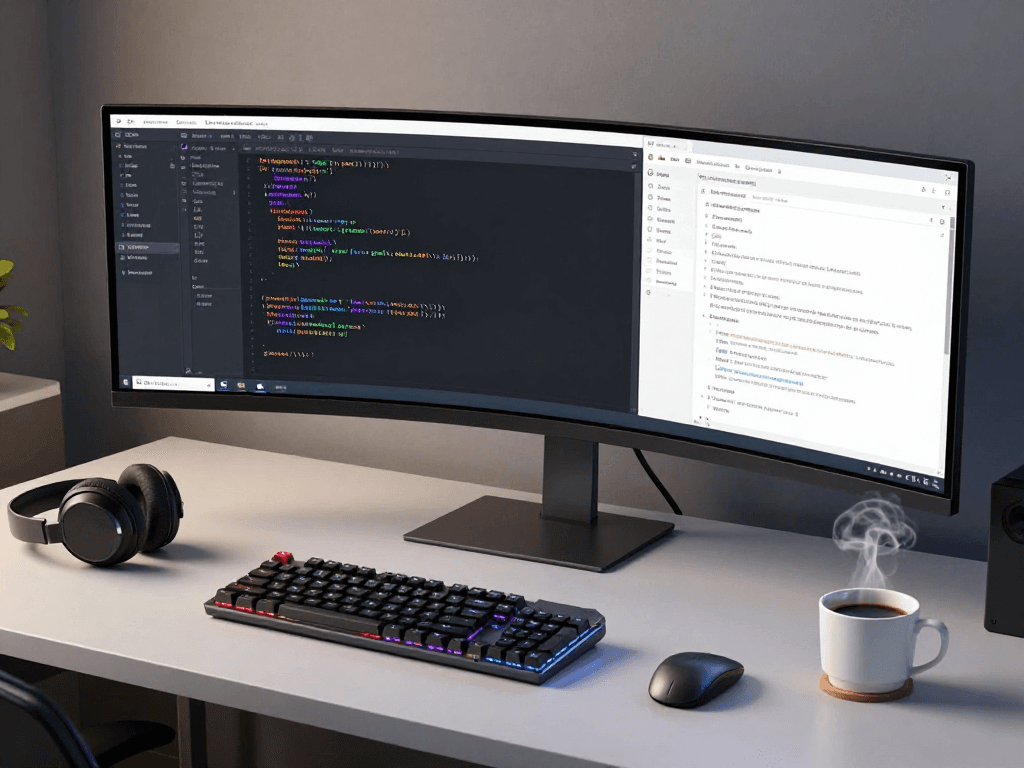
Understanding Remote Desktop Protocol (RDP)
What is RDP?
Remote Desktop Protocol (RDP) is a proprietary protocol developed by Microsoft that enables users to connect to another computer over a network connection. This protocol allows remote access to a graphical desktop interface, enabling users to control their machines as if they were physically sitting in front of them. RDP facilitates secure communication between devices through an encrypted channel, ensuring safe data transfer while maintaining user privacy. Whether for managing servers, accessing applications, or providing technical support, RDP serves a vital role in modern computing setups.
Benefits of Using RDP
Using RDP comes with a host of benefits:
- Remote Access: Users can work from anywhere, reducing the need for physical presence.
- Security: RDP connections are encrypted, safeguarding against interception during data transfers.
- Cost-Efficiency: Reduces overhead costs by minimizing IT infrastructure investment.
- Easy Administration: IT administrators can troubleshoot and manage multiple machines seamlessly from a single location.
- Scalability: Easily scalable to accommodate growing organizational needs without significant investment in hardware.
Common Use Cases for RDP
RDP is valuable across various domains:
- Business Operations: Employees can access office systems from home or any remote location, promoting productivity.
- Technical Support: IT teams can diagnose and resolve issues on user machines without needing to be onsite.
- Cloud Services: Businesses utilizing cloud services often rely on RDP to manage and operate their cloud environments.
- Training and Demonstrations: Facilitators can showcase software applications live on remote devices for training purposes.
Virtual Private Servers (VPS) Explained
What is a VPS?
A Virtual Private Server (VPS) combines the expense efficiency of shared hosting with the performance and control of dedicated hosting. A VPS runs its own copy of an operating system, allowing users to install almost any software that runs on that OS. This means they have greater flexibility, control, and resource allocation than traditional shared hosting. Virtualization technology allows multiple VPS to run on a single physical server, maximizing resource usage.
Comparing VPS and Traditional Hosting
Choosing between VPS hosting and traditional shared hosting can be critical:
- Performance: VPS provides significantly better performance as resources are allocated per server rather than shared with multiple users.
- Control: Users have root access to their VPS, enabling custom software installations, modifications, and configurations.
- Security: While both hosting types offer security, a VPS provides greater isolation, reducing exposure to threats from other sites hosted on the same server.
- Scalability: VPS can be upgraded easily without significant downtime, accommodating any increase in traffic or resource demand efficiently.
Advantages of Using VPS at https://aminserve.com
Opting for VPS at https://aminserve.com comes with unique advantages:
- Customizability: Tailor your server environment easily to meet your specific needs.
- Affordability: Cost-effective with various pricing tiers suitable for different budgets.
- High Performance: Enjoy high uptime and performance with dedicated resources for each VPS.
- Excellent Support: 24/7 customer support ensures all issues are resolved quickly and efficiently.
- Scalability: Plans are designed to grow with your business, with easy upgrades when required.
Choosing the Right Server Hosting for Your Needs
Factors to Consider
Selecting server hosting requires careful consideration of various factors:
- Performance Requirements: Assess the expected traffic and application performance demands.
- Budget: Determine how much you can afford without compromising necessary features.
- Support and Management: Evaluate the level of support and management you will require based on your technical expertise.
- Scalability: Ensure that your chosen solution can grow with you, allowing for increased resource allocation as needed.
- Security Needs: Identify the level of security required, particularly if handling sensitive data.
How to Assess Performance Needs
Understanding performance needs involves:
- Traffic Analysis: Use analytics tools to assess current site traffic and plan for future growth.
- Load Testing: Perform simulated peak loads to determine how your site performs under stress.
- Resource Monitoring: Regularly check CPU, memory, and disk usage to understand current resource consumption.
- Application Demands: Assess how demanding your applications are on server resources.
Scaling Your Server Requirements
Scaling your server requirements can be addressed through strategic planning:
- Monitor Usage: Continuously analyze server performance to identify bottlenecks or resource saturation.
- Choose Flexible Plans: Select hosting plans that allow easy upgrades without downtime. Explore options like VPS or cloud hosting.
- Automate Scaling: Employ tools that automatically adjust resources based on traffic patterns and usage.
- Regular Reviews: Conduct regular performance reviews to recalibrate your server needs as business demands change.
Simplifying Server Management with User-Friendly Tools
Overview of Management Software
Server management software is essential for efficient operations. Key features often include:
- Remote Access: Web-based interfaces that allow users to manage servers from anywhere.
- Resource Monitoring: Tools that monitor performance metrics like CPU usage, memory consumption, and disk space.
- Backup Solutions: Reliable backup systems to ensure data integrity against loss.
- Security Management: Tools for monitoring threats and managing firewalls.
Integration with Existing Systems
Historically, integrating server management tools has been a challenging endeavor. Opt for solutions that:
- Support Common Protocols: Ensure compatibility with existing systems through standard communication protocols.
- Offer APIs: Application Programming Interfaces that facilitate integration with other software solutions.
- Enable Custom Scripts: Custom scripting capabilities for automated tasks and functionalities.
Best Practices for Effective Management
Effective server management involves implementing certain best practices:
- Regular Updates: Keep systems updated to ensure security and stability.
- Scheduled Backups: Implement routine backups to mitigate data loss.
- Documentation: Maintain detailed documentation of server configurations and procedures.
- Performance Reviews: Conduct regular check-ups on server health and performance to preempt issues.
Frequently Asked Questions (FAQs)
What are the advantages of using RDP?
RDP offers remote access, enhanced security with encryption, cost efficiency, easy administration, and scalability to fit your business needs.
Can I upgrade my VPS plan?
Yes, VPS plans are designed to be scalable, allowing easy upgrades as your resource requirements grow.
How do I secure remote connections?
Secure your remote connections by using VPNs, RDP encryption, strong user credentials, and regularly updating software.
What kind of support is available at https://aminserve.com?
A variety of support options are available, including 24/7 technical assistance and comprehensive documentation for troubleshooting.
Is VPS hosting suitable for small businesses?
Yes, VPS hosting provides the flexibility and scalability needed for small businesses, balancing cost with performance effectively.