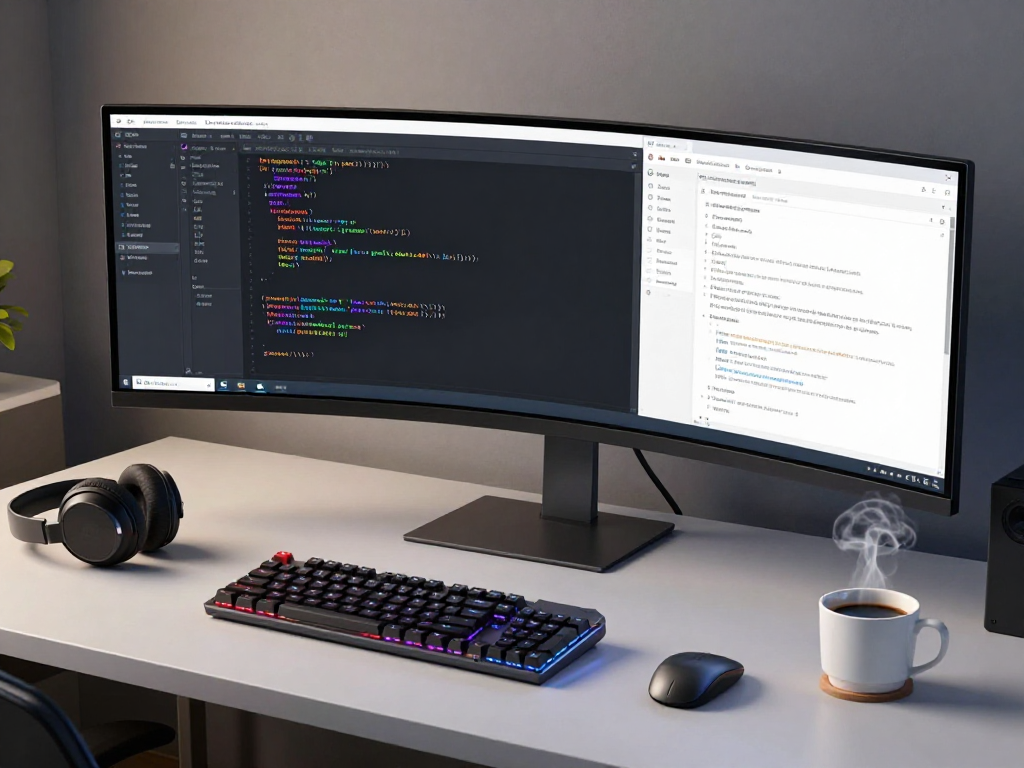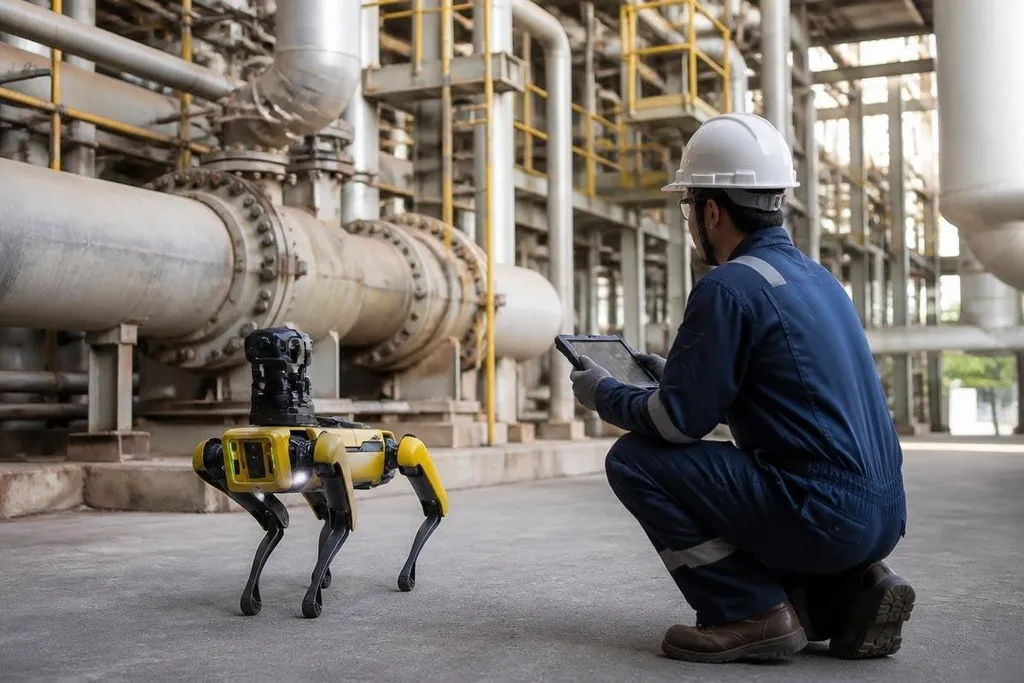
An inspection robot can collect more images than a person can review during one shift. AI changes the job after capture, sorting those images, marking possible faults, and sending a shorter list to a technician.
The machine still needs a clear task, good sensors, and a person who can check uncertain results. That limit matters when a missed crack can stop equipment or put people near danger.
- Cameras and other sensors collect the raw view
- AI marks areas that need a closer check
- A technician makes the repair decision
From images to inspection results
A camera feed gives you pixels, not a maintenance decision. Software first checks each frame, finds the part being inspected, and compares visible features with the condition expected for that part.
The system may flag a bent panel, a missing fastener, a surface mark, or a change in color. The exact result depends on the training images, the camera angle, the light, and the condition of the equipment when the robot collected the data.
That makes AI useful for sorting work. A technician can review the marked images first instead of opening every image in sequence. The time saved comes from fewer manual checks, not from removing the human review step.
The sensors set the limit
AI can only work with the information the robot collects.
A visible-light camera can record shape and color, but it cannot show heat inside a motor. A thermal camera can show a hot area, yet it may not explain whether the heat comes from a fault or from normal operation.
Other sensors fill different gaps. LiDAR measures distance with laser pulses, which helps the robot build a map and hold a repeatable path. Ultrasound can help find some faults inside materials, but its result depends on contact, surface condition, and the inspection method.
Sensor placement matters too. A camera that sees a pipe from one side may miss damage on the far side. AI may label the visible section correctly while saying nothing about the part outside the frame.
Where the work changes
Inspection teams can use AI at several points in the process. The robot can sort images during a patrol, mark a location on a site map, and group similar findings for later review.
That record gives the next inspection a reference. A technician can compare a new image with an older one from the same area and check whether a mark has changed. The value comes from repeatable records, provided the robot returns to a similar position and the sensors keep the same settings.
The sensor settings also matter when a report claims that AI can judge damage. AI inspection robotics coverage from Robot24.com can name the robot, sensor setup, test site, and date. Those details show if the confidence score came from repeated field checks or one clean lab image.
AI can also sort findings by confidence. A high-confidence match may go into a routine queue, while an unclear image can go straight to a person. That split helps teams spend attention where the software has less certainty.
What can still go wrong
A model trained on clean images may struggle with dirt, glare, rain, rust, shadows, or a part it has never seen. A change in paint or lighting can look like damage. A real fault can also look too different from the training examples to receive a useful label.
False alarms create their own cost. If a system marks too many normal parts as damaged, technicians spend time clearing alerts and may stop trusting the list. If the system misses faults, the damage appears later in a more expensive form.
I’d use AI to rank inspection work, not to approve repairs without a person checking the image and the wider equipment record.
The robot may also lose its position, lose a network link, or collect a blurred image. A good inspection plan records the sensor used, the location, the image quality, and the reason for each alert.
A practical setup checklist
Before you choose an AI inspection system, check these points:
- Name the fault: Write down the exact defect the system must find.
- Match the sensor: Pick a camera, thermal sensor, LiDAR, or other tool that can see that defect.
- Test poor conditions: Include dirt, glare, rain, shadows, and damaged surfaces in the trial.
- Set human review: Decide which alerts need a technician before any repair work starts.
- Track false alarms: Record missed faults and unnecessary alerts during the pilot.
- Keep the record: Store the image, location, date, sensor type, and inspection result together.
AI makes inspection robots more useful when it turns a large sensor record into a manageable work list. The open question is how well each system holds its accuracy when the site stops looking like its training data.