
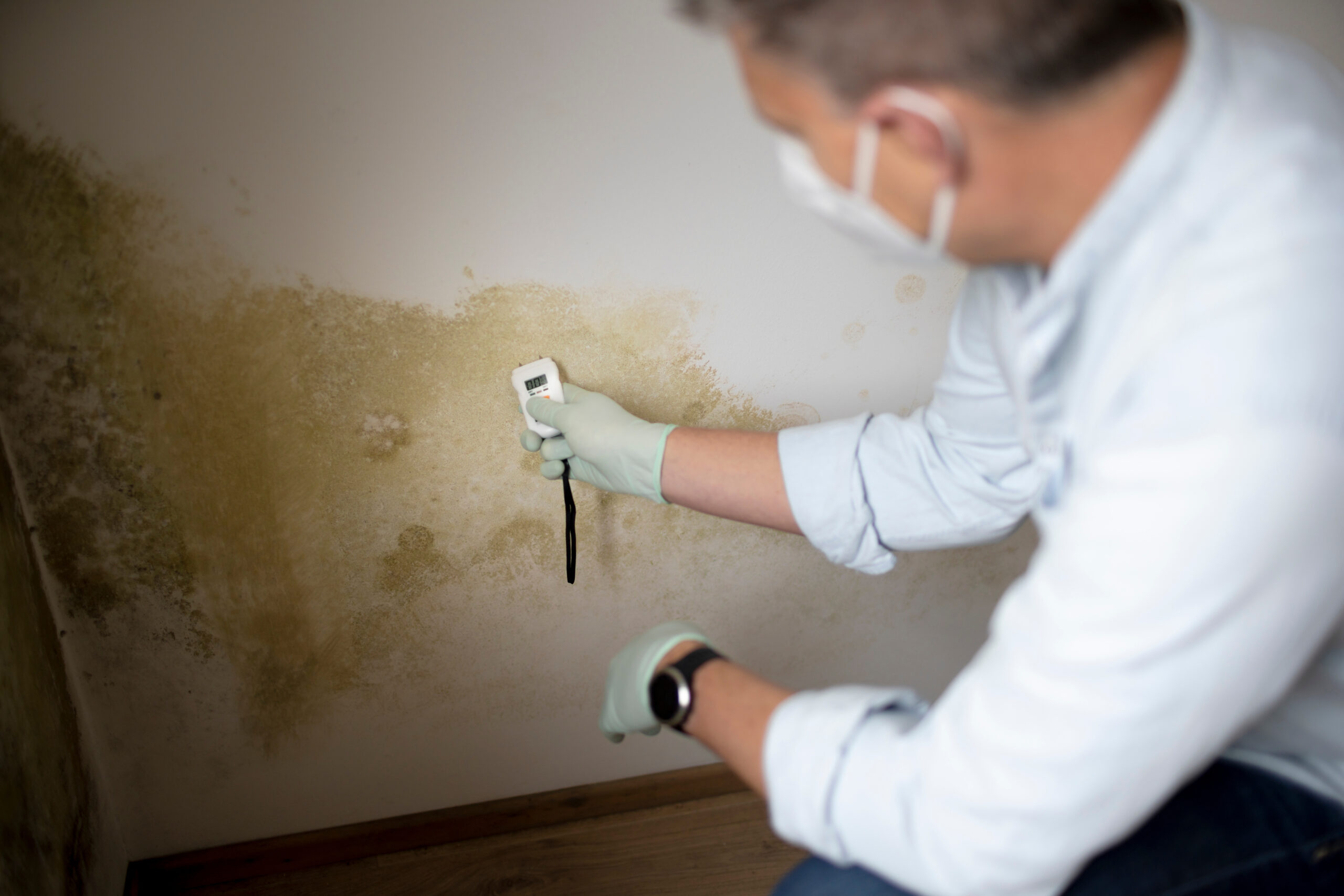
Mold is a silent intruder that can cause serious damage to both your property and health. Whether it’s hidden behind walls, under carpets, or in damp corners, mold growth can go unnoticed until problems become severe. That’s why professional mold testing is essential. By identifying the presence of mold early, homeowners can take effective steps to prevent health risks, structural damage, and costly repairs.
In this guide, Willis Willis Public Adjuster will walk you through everything you need to know about mold testing, including its importance, methods, and benefits, while providing actionable tips for homeowners.
Why Mold Testing is Crucial for Homeowners
Mold exposure is more than just an inconvenience; it can lead to serious health issues such as:
- Respiratory problems (asthma, coughing, sneezing)
- Allergic reactions (itchy eyes, skin irritation)
- Long-term effects (chronic fatigue, sinus infections)
Beyond health concerns, mold can silently weaken your home’s structure. Wooden beams, drywall, and insulation are particularly vulnerable to prolonged moisture exposure. Regular mold testing ensures that any growth is detected early, allowing timelyremediation.
Key benefits of mold testing:
- Early detection – Stops mold before it spreads extensively.
- Protects health – Identifies harmful mold types.
- Increases property value – Ensures your home remains safe and marketable.
- Supports insurance claims – Provides documented proof of mold presence.
Signs You May Need Mold Testing
Many homeowners don’t realize mold is present until the damage is significant. Some common signs include:
- Musty odors in specific areas of your home
- Visible mold patches on walls, ceilings, or floors
- Water damage from leaks, flooding, or condensation
- Health symptoms like allergies or persistent respiratory issues
Even if you don’t see visible signs, hidden mold may exist in less obvious places such as behind drywall, under flooring, or in HVAC systems. Professional mold testing can uncover these hidden threats, giving you peace of mind.
Understanding the Mold Testing Process
Professional mold testing involves several steps to ensure accuracy:
- Initial Assessment:Inspectors examine your property for moisture sources and potential mold growth areas. This step identifies the most likely problem zones.
- Sample Collection:Samples may include air, surface, or bulk materials. Air sampling captures airborne spores, while surface sampling identifies mold types on walls or furniture.
- Laboratory Analysis:Collected samples are sent to certified labs. Technicians identify mold species, concentration levels, and potential health risks.
- Reporting & Recommendations:The testing company provides a detailed report outlining the findings, including suggested remediation strategies. This documentation can also be valuable for insurance claims or real estate transactions.
DIY vs. Professional Mold Testing
While DIY mold testing kits are available, they often provide limited information and may lead to inaccurate results. Professional mold testing offers:
- Comprehensive analysis by trained specialists
- Identification of specific mold types (some are more toxic than others)
- Reliable recommendations for remediation
For homeowners concerned about health or structural safety, professional testing is the best investment.
Types of Mold Commonly Found in Homes
Knowing the type of mold present is essential because some species are more hazardous than others. Common indoor molds include:
- Cladosporium: Often appears on wood, carpet, and fabrics; can trigger allergies.
- Stachybotrys (Black Mold): Highly toxic and linked to serious respiratory problems.
- Penicillium: Grows in damp areas; may cause allergic reactions.
- Aspergillus: Common in dust and insulation; can affect lungs in sensitive individuals.
Professional mold testing identifies these species and determines appropriate treatment measures.
Preparing Your Home for Mold Testing
Proper preparation ensures accurate results:
- Avoid cleaning before testing: Cleaning or disinfecting surfaces can skew results.
- Keep doors and windows closed: Prevent external air from affecting air samples.
- Document moisture sources: Note leaks, condensation, or areas with poor ventilation.
- Limit occupancy: Fewer people in the home during testing reduces contamination of samples.
Following these steps ensures inspectors can capture the most accurate representation of your indoor environment.
Cost of Mold Testing
The price of professional mold testing varies depending on the size of the home, number of samples, and lab analysis complexity. On average, homeowners can expect to pay between $300 to $600. While it may seem like a significant investment, the cost is minor compared to potential medical bills, structural repairs, or property devaluation caused by undetected mold.
What to Do After Mold Testing
Once testing confirms the presence of mold, the next steps are crucial:
- Hire a certified remediation company: Ensure they follow industry standards to remove mold safely.
- Address the moisture source: Fix leaks, improve ventilation, or repair water damage to prevent recurrence.
- Clean and sanitize affected areas: Depending on mold severity, cleaning may involve removing drywall, carpets, or insulation.
- Follow-up testing: Re-test after remediation to ensure all mold has been eliminated.
Choosing the Right Mold Testing Service
Selecting a reputable mold testing company ensures reliable results and effective solutions. Consider these factors:
- Experience and certification: Look for IICRC-certified or licensed professionals.
- Transparent reporting: Reports should clearly explain findings and remediation steps.
- Positive reviews: Client feedback can indicate trustworthiness and quality.
- Insurance support: Some companies assist with documentation for insurance claims.
Willis Willis Public Adjuster provides homeowners with expert guidance and support during mold-related claims. Their team ensures that you have the documentation and expertise needed to address mold issues efficiently and effectively.
Tips to Prevent Mold Growth
Prevention is always better than remediation. Here are actionable tips:
- Maintain indoor humidity between 30–50%.
- Ensure proper ventilation in bathrooms, kitchens, and basements.
- Regularly inspect roofs, plumbing, and windows for leaks.
- Use mold-resistant building materials where possible.
- Clean and dry areas affected by water damage immediately.
Regular mold testing combined with preventive measures can protect your home and family from mold-related risks.
Final Thoughts
Mold is a hidden danger that can affect both your home’s value and your health. Professional mold testing is the key to early detection, accurate assessment, and effective remediation. By understanding the risks, identifying mold types, and taking preventive measures, homeowners can ensure a safe, healthy living environment.
Whether you’re experiencing visible mold, musty odors, or want peace of mind, scheduling professional mold testing is the first step toward protecting your property and loved ones.
For expert assistance and reliable guidance, visitWillis Willis Public Adjuster to learn more about their services and how they can help with mold-related claims and inspections.