Overview of the Manaslu Circuit Trek
The manaslu circuit trek is one of the most beautiful and remote trekking routes in Nepal, offering an unparalleled opportunity to marvel at the breathtaking scenery of the Himalayas while immersing yourself in rich Tibetan culture. Located in the Gorkha district, the trek wraps around the majestic Mt. Manaslu, the eighth-highest peak in the world at 8,163 meters (26,781 feet). This 15-day expedition is not only a journey through stunning landscapes but also an adventure that takes you through traditional villages, monasteries, and diverse ecosystems, making it a unique experience for any trekking enthusiast.
What to Expect on the Trek
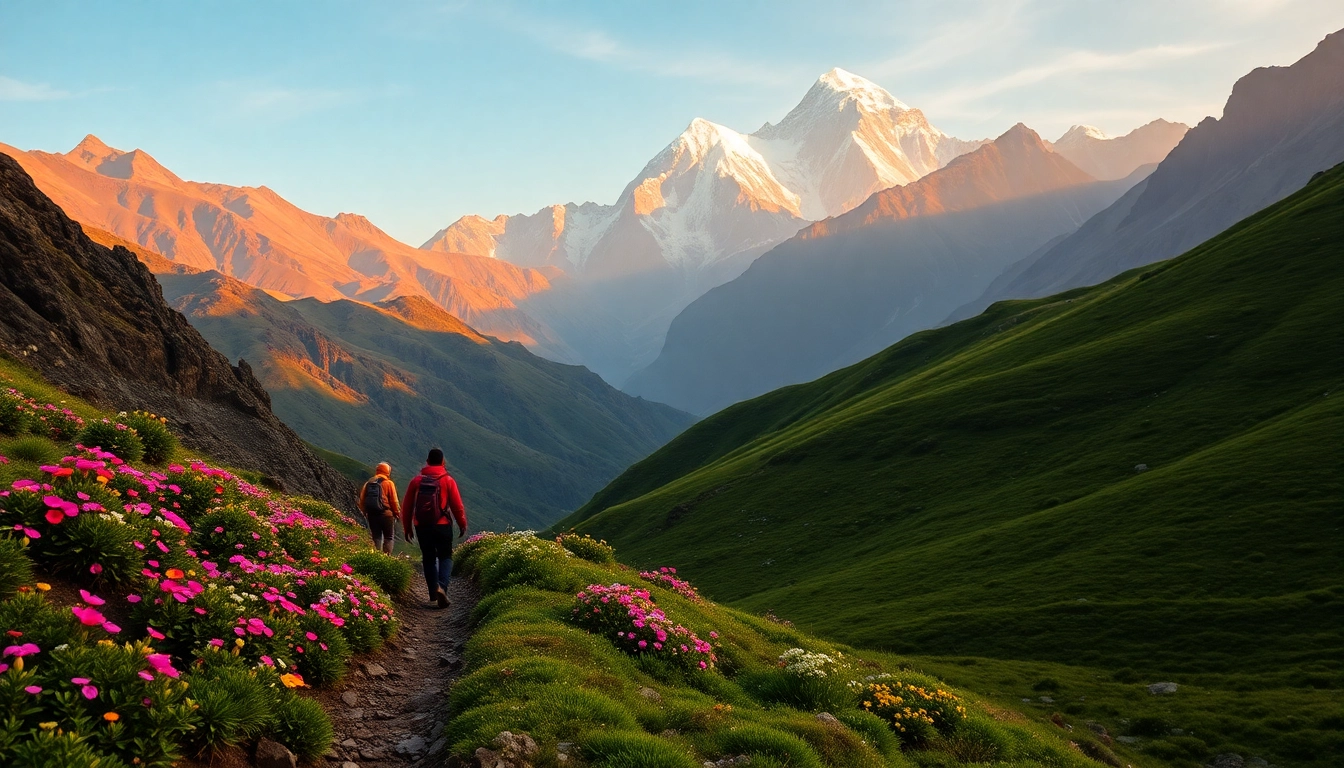
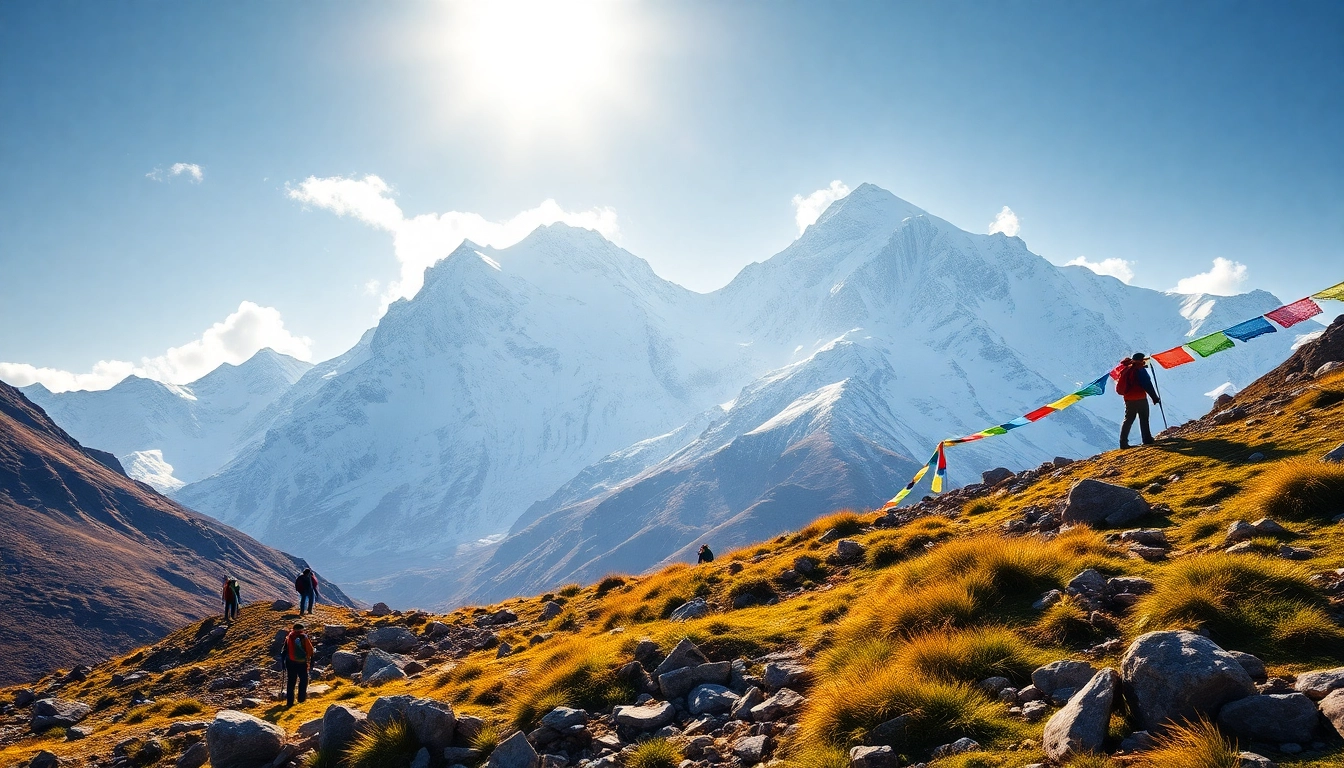
Embarking on the Manaslu Circuit Trek means entering a realm where the natural world meets ancient traditions. Expect to traverse diverse terrains, ranging from subtropical forests to alpine meadows, with constant views of towering peaks and glacial lakes. The trek challenges you with steep ascents and descents, particularly at the infamous Larkya La Pass, which sits at 5,160 meters (16,929 feet) and presents an exhilarating climax to your journey. Along the way, you’ll witness traditional lifestyles, including local farming practices and traditional Tibetan culture, enriched by the hospitality of the local Gurung and Tibetan communities.
Key Highlights and Attractions
- Stunning Mountain Views: Get uninterrupted views of the surrounding peaks, including Manaslu, Himlung, and Ganesh Himal.
- Cultural Encounters: Visit remote villages and experience the daily lives of the local people while exploring their rich customs and traditions.
- Diverse Flora and Fauna: The trek passes through Manaslu Conservation Area, home to numerous species of wildlife, including the elusive snow leopard.
- Breathtaking Lakes: Hike to stunning alpine lakes, including the tranquil Birendra Lake, which reflects the majestic peaks surrounding it.
Planning Your Manaslu Circuit Trek in 2025
With the growing popularity of the Manaslu Circuit, proper planning is crucial for a successful trek. The year 2025 promises to bring even more trekkers seeking the untouched beauty of this region. When planning your adventure, an awareness of the trekking conditions, necessary permits, and logistical considerations will enhance your experience.
How to Choose Your Trekking Package
Selecting the right trekking package can significantly impact your overall experience. Look for reputable trekking agencies that not only focus on your safety but also offer knowledgeable guides with local insights. Group treks often come at a lower price, while private treks provide a more personalized experience. Consider your comfort level, group size, and the level of support you require while trekking.
Best Time to Trek Manaslu Circuit
The best seasons for the Manaslu Circuit Trek are typically spring (March to May) and autumn (September to November). During these months, you can expect clear skies, stable weather, and pleasant temperatures. Spring showcases blooming rhododendrons, while autumn offers stunning views of the snow-capped peaks. Although trekking is possible during the monsoon season (June to August), the trails can become slippery, and landslides are a concern. Winter trekking (December to February) is not advisable due to extremely cold temperatures and heavy snowfall.
Permit Requirements and Regulations
The Manaslu Circuit is a restricted area, which means specific permits are essential for trekking. You will need the Manaslu Conservation Area Permit (MCAP), the Manaslu Restricted Area Permit (MRAP), and the Trekkers’ Information Management System (TIMS) permit. These permits must be obtained prior to your start date, so it’s essential to take care of these logistical details while planning your trek.
Itinerary for the Manaslu Circuit Trek
The Manaslu Circuit Trek typically spans 15 days, allowing for ample time to acclimatize as you ascend. Here’s a brief outline of your day-to-day journey:
Day-by-Day Breakdown of the Trek
- Day 1: Arrival in Kathmandu - Transfer to your hotel for rest and preparation.
- Day 2: Drive from Kathmandu to Machha Khola (8-10 hours) - Overnight at a guesthouse.
- Day 3: Trek from Machha Khola to Jagat (6-7 hours) - Overnight at a guesthouse.
- Day 4: Trek from Jagat to Deng (6-7 hours) - Overnight at a guesthouse.
- Day 5: Trek from Deng to Namrung (7-8 hours) - Overnight at a guesthouse.
- Day 6: Trek from Namrung to Lho (3-4 hours) - Overnight at a guesthouse.
- Day 7: Trek from Lho to Samagaon (3-4 hours) - Overnight at a guesthouse.
- Day 8: Acclimatization day at Samagaon - Optional hike to Birendra Lake.
- Day 9: Trek from Samagaon to Samdo (3-4 hours) - Overnight at a guesthouse.
- Day 10: Trek from Samdo to Dharmashala (4-5 hours) - Overnight at a guesthouse.
- Day 11: Trek from Dharmashala to Bimthang via Larkya La Pass (8-9 hours) - Overnight at a guesthouse.
- Day 12: Trek from Bimthang to Goa (5-6 hours) - Overnight at a guesthouse.
- Day 13: Trek from Goa to Dharapani (3-4 hours) - Overnight at a guesthouse.
- Day 14: Drive from Dharapani to Kathmandu (10-12 hours) - Overnight at a hotel.
- Day 15: Transfer to the airport for your final departure.
Acclimatization Strategies and Tips
Acclimatization is critical when undertaking high-altitude treks like the Manaslu Circuit. To minimize the risk of altitude sickness, plan your itinerary to include acclimatization days, particularly at Samagaon and Dharmashala. Additionally, staying hydrated, consuming a high-carb diet, and ascending gradually are key strategies for acclimatizing effectively.
Essential Stops and Local Culture
As you traverse the Manaslu Circuit, you will have the opportunity to stop in various villages, where you can engage with locals and experience their culture firsthand. Don’t miss the chance to visit monasteries and experience traditional rituals that define the region's spiritual essence. Be respectful of local customs and practices, as these engagements greatly enrich your trekking experience.
Packing List for the Manaslu Circuit Trek
Preparing for the Manaslu trek involves careful planning regarding your gear and essentials. Here's a comprehensive packing list to help you stay comfortable and safe during your journey:
Clothing and Gear Essentials
- Waterproof trekking boots with good ankle support
- Warm clothing layers (thermal base layers, fleece, and insulated jackets)
- Rain gear (jacket and pants)
- Hat, gloves, and sun protection (sunglasses, sunscreen)
- Backpack and daypack for daily essentials
- Sleeping bag rated for at least -15°C (5°F)
Health and Safety Equipment
- First aid kit with necessary medications
- Altitude sickness medication (Diamox)
- Personal hygiene items (toilet paper, hand sanitizers)
- Water purification system (tablets or filters)
Food and Cooking Supplies
While meals are generally provided throughout the trek, consider carrying snacks like energy bars, dried fruit, and nuts to keep your energy levels up during the trek.
Experiencing the Culture Along the Manaslu Circuit
One of the most enriching aspects of the Manaslu Circuit Trek is the opportunity to experience the diverse cultures that populate the region. Understanding these traditions and embracing the local way of life can significantly enhance your trekking experience.
Local Communities and Traditions
The trek takes you through various communities, each with its unique customs, dialects, and traditions. From the Gurung villages to the Tibetan influences in higher elevations, be prepared to learn about the histories and lifestyles of those living in the shadow of the majestic mountains.
Cuisine to Try on the Trail
As you trek, take the opportunity to savor traditional dishes like dal bhat (rice and lentils), Tibetan momos (dumplings), and various noodle soups. Many teahouses offer vegetarian options, and you can often find local specialties that reflect the region's culture.
Responsible Trekking Practices
As tourism grows in this pristine area, it's vital to respect the environment and the local communities. Practice Leave No Trace principles, minimize waste, and engage with the local culture in a respectful and thoughtful manner. This ensures that the beauty of the Manaslu Circuit remains preserved for future trekkers and for the locals who depend on the land.