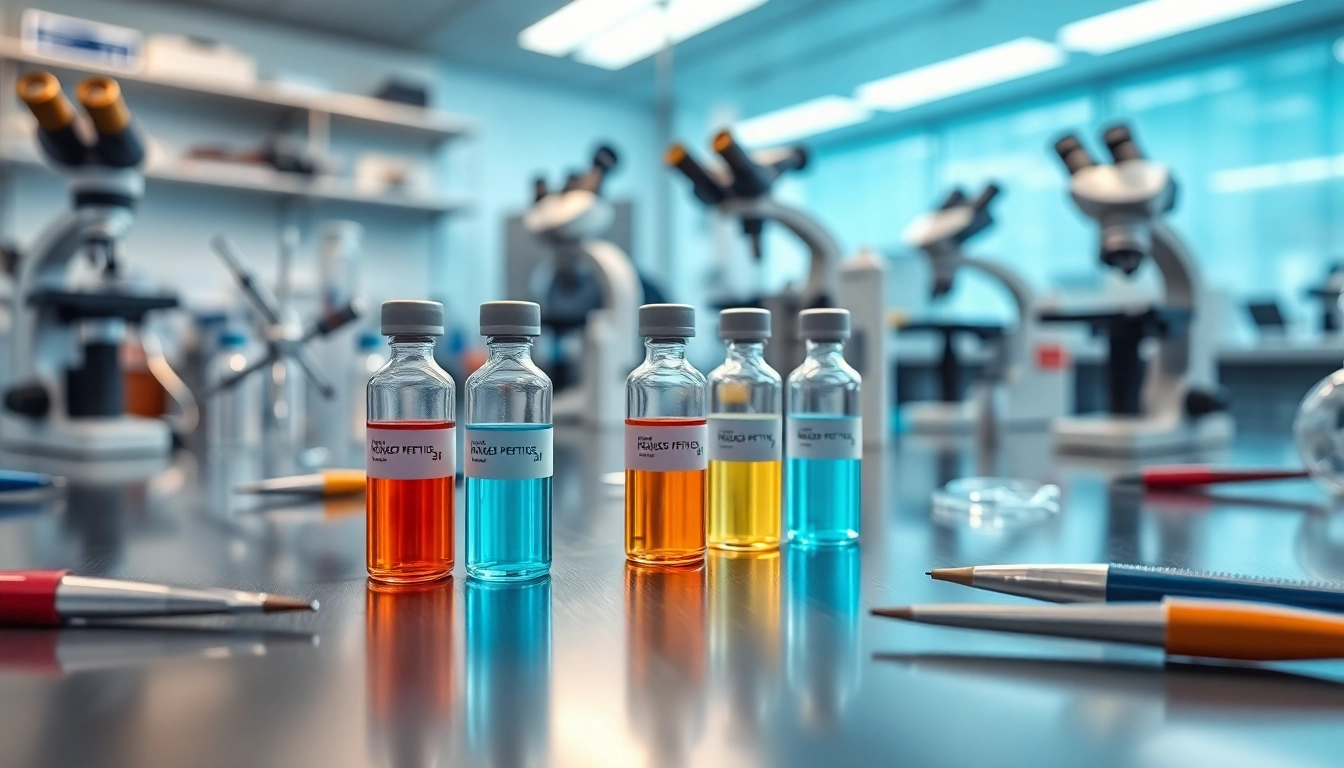
Understanding High Purity Peptides
In the realm of biomedical research and pharmaceutical development, the significance of high purity peptides cannot be overstated. These compounds play crucial roles in various applications, ranging from drug discovery to therapeutic interventions. As the demand for high-quality peptides rises, understanding the fundamentals of purity, synthesis methods, and application areas is essential for researchers and technologists alike.
What Are High Purity Peptides?
High purity peptides are short chains of amino acids that have been synthesized to meet exceptional quality standards. Purity in this context refers to the concentration of the desired peptide relative to any impurities or byproducts. Typically, high purity peptides are characterized by a purity level of 95% or greater, with some manufacturers achieving levels of 99% or more. This high level of purity is critical for ensuring the reliability and reproducibility of research outcomes and therapeutic effects.
Importance of Purity in Peptide Research
The importance of purity in peptide research extends beyond compliance with industry standards; it directly influences the validity of scientific results. Impurities in peptides can lead to altered biological activity, undesired side effects, and inconsistent results in experimental studies. High purity is essential in pharmacological studies to ensure safe and effective therapeutic applications. Moreover, as regulations tighten around biomedical research, adherence to purity standards is becoming increasingly integral to the integrity of scientific investigations.
Common Applications of High Purity Peptides
High purity peptides have several applications across various fields, including:
- Drug Development: Peptides are essential in the development of new therapeutic agents, particularly for targeting specific diseases.
- Diagnostic Tools: High purity peptides are used in the manufacture of assays and diagnostic kits, particularly in immunoassays.
- Vaccine Development: Peptides can serve as epitopes in vaccine formulation, allowing for targeted immune responses.
- Research and Development: In research laboratories, high purity peptides are vital for various assays and experiments, including cell signaling studies, enzymatic assays, and functional assays.
Choosing the Right Supplier for High Purity Peptides
Selecting a reliable supplier is crucial for acquiring high purity peptides, as the quality of these compounds directly affects research outcomes. The supplier's reputation, quality assurance processes, and technical support services are essential criteria that researchers must consider.
Key Factors to Consider
When evaluating potential suppliers for high purity peptides, consider the following factors:
- Quality Control Protocols: Suppliers should have robust QA/QC procedures, including rigorous testing for identity, purity, and potency.
- Reputation and Accreditation: Look for suppliers with certifications (ISO, GMP) and positive reviews from reputable sources.
- Customer Support: Reliable suppliers offer strong technical support and customer service, ensuring assistance with any issues that might arise.
Comparing Purity Standards Across Suppliers
Purity standards are not universally defined; thus, comparing suppliers based solely on claimed purity can be misleading. Researchers should inquire about the methods used to assess purity (e.g., HPLC, mass spectrometry) and ask for certificates of analysis (CoA). Understanding these metrics allows researchers to make informed decisions on quality.
Long-term Relationships with Peptide Suppliers
Building long-term relationships with peptide suppliers can lead to various benefits, including:
- Consistent Quality: Ongoing partnerships often yield consistent product quality, enhancing the reliability of research outcomes.
- Favorable Pricing: Suppliers may offer discounts or favorable terms for repeat customers, reducing overall research costs.
- Technical Collaboration: Long-term relationships can foster collaboration on custom peptide syntheses and innovation in product offerings.
Synthesis Methods for High Purity Peptides
Understanding the synthesis methods for high purity peptides is essential for researchers aiming to produce or procure these compounds effectively.
Solid-Phase vs. Solution-Phase Synthesis
The two main methodologies for peptide synthesis are solid-phase and solution-phase synthesis. Solid-phase peptide synthesis (SPPS) is the most widely used technique, characterized by its ability to simplify purification processes and enhance reaction efficiency. Conversely, solution-phase synthesis allows for a more adaptable approach in complex peptide structures but often demands more extensive purification steps.
Innovations in Peptide Synthesis Techniques
Recent advances in peptide synthesis include the development of automated synthesizers, which increase throughput and reduce variation. Innovations in protecting group chemistry and coupling strategies have also led to improved yields and purities, allowing for the synthesis of increasingly complex peptide structures.
Quality Control Processes in Peptide Production
Quality control processes are critical in peptide production, encompassing testing for identity, purity, and biological activity. Techniques such as high-performance liquid chromatography (HPLC), mass spectrometry, and nuclear magnetic resonance (NMR) are commonly employed to assess peptide quality. Implementing stringent QC processes ensures that only peptides meeting rigorous standards reach researchers, further supporting the integrity of scientific studies.
Storage and Handling of High Purity Peptides
Proper storage and handling techniques are essential for preserving the integrity of high purity peptides. Failure to follow appropriate guidelines can lead to degradation and diminished efficacy of these sensitive compounds.
Best Practices for Storage Conditions
To maintain the stability of high purity peptides, adhere to the following storage practices:
- Temperature: Store peptides in a -20 °C or colder environment to prevent degradation.
- Dry Conditions: Avoid moisture exposure by keeping peptides in sealed containers and using desiccants when possible.
- Light Protection: Shield from light exposure, which can cause photolytic degradation.
Handling Guidelines for Research Applications
Proper handling is equally important. When preparing peptides for use:
- Minimize Exposure: Limit the number of freeze-thaw cycles to prevent degradation.
- Aseptic Techniques: Use sterile techniques when dissolving or diluting peptides to minimize contamination risks.
- Batch Testing: Conduct preliminary assays to confirm peptide activity in the intended application.
Identifying Contamination Risks
Potential contamination can severely affect the integrity of high purity peptides. Researchers should be vigilant for:
- Cross-Contamination: Use separate equipment and materials for different peptides.
- Environmental Contaminants: Ensure a clean working area and use proper personal protective equipment (PPE).
Future Trends in High Purity Peptides
The future of high purity peptides is expected to be shaped by increasing demand for biopharmaceuticals and advancements in peptide science.
Increasing Demand in Biomedical Research
As the field of personalized medicine expands, the need for customized peptide therapeutics will increase. This demand will drive innovations in synthesis technologies, leading to more options for researchers in developing innovative drug candidates tailored to specific conditions.
Advancements in Peptide Therapeutics
New research continues to explore the roles of peptides beyond traditional applications. Investigators are discovering new therapeutic properties, including anti-cancer, anti-viral, and regenerative capabilities. This expanding knowledge base will likely lead to breakthroughs in treatment methodologies and applications.
Impact of Regulations on Peptide Supply Chains
As regulatory parameters evolve, they will impact how high purity peptides are produced and distributed. Compliance with stringent guidelines is crucial, ensuring the quality and safety of peptides throughout the supply chain. Researchers must stay updated on these regulations to maintain compliance and ensure reliable research outputs.
Frequently Asked Questions
What are high purity peptides?
High purity peptides are well-defined chains of amino acids synthesized with a purity of 95% or higher, crucial for reliable biological research and therapeutic applications.
Why is purity important in peptide research?
Purity is vital in peptide research as it directly influences experimental outcomes, ensuring consistent results and effective therapeutic responses.
How are high purity peptides synthesized?
High purity peptides can be synthesized using solid-phase or solution-phase methods, with solid-phase synthesis being more common due to its efficiency and reduced purification needs.
What storage conditions are best for peptides?
High purity peptides should be stored at -20 °C, in dry, dark conditions to maintain stability and prevent degradation over time.
How can contamination risks be managed?
To manage contamination risks, use aseptic techniques, minimize exposure to environmental contaminants, and separate equipment used for different peptides.