
The Goechala Trek Overview
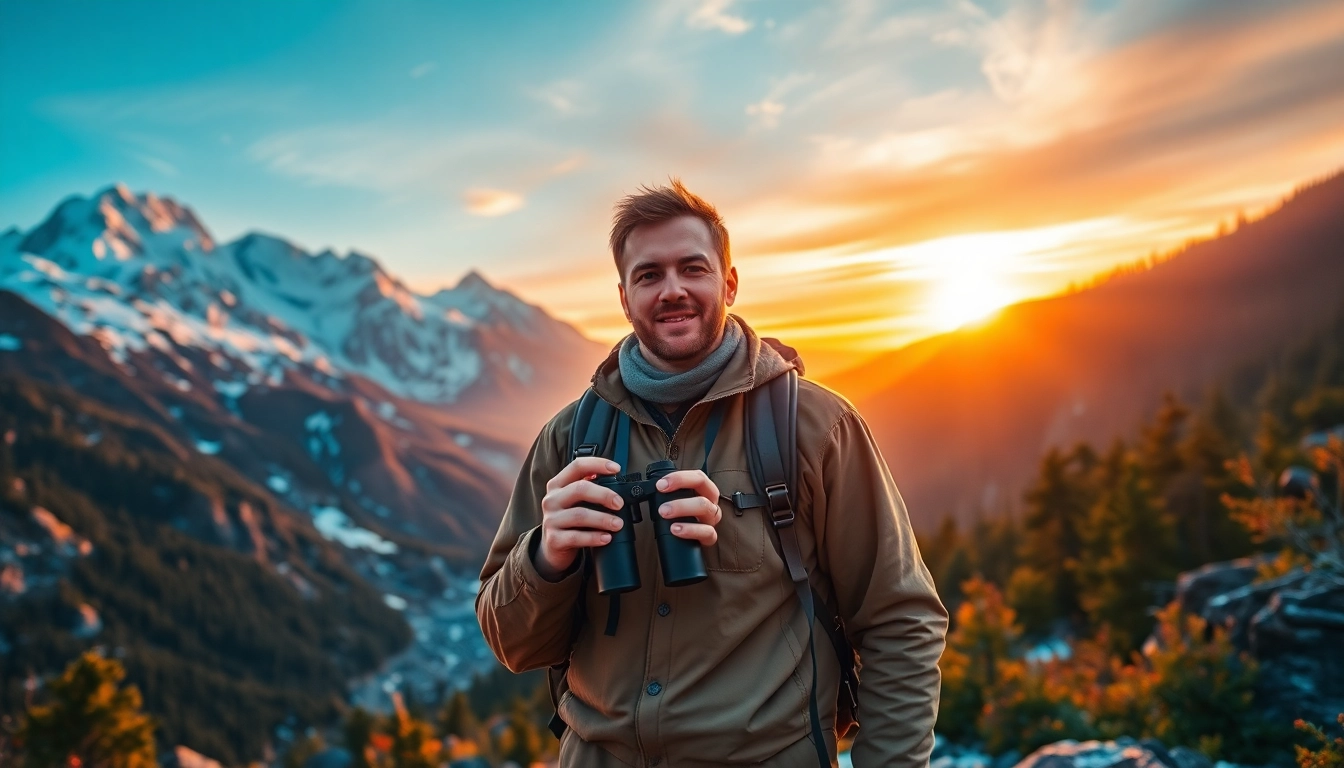
The Goechala Trek is an extraordinary journey through the majestic landscapes of Sikkim, India, renowned for its breathtaking views of the third-highest mountain in the world, Kanchenjunga. This trek not only offers astonishing vistas but also a chance to immerse oneself in a rich cultural heritage and vibrant natural beauty. Stretching across about 90 kilometers, the goechala trek is ideal for those seeking both adventure and a respite from the hustle and bustle of modern life.
What is the Goechala Trek?
The Goechala Trek is a high-altitude trekking route that winds through the Kanchenjunga National Park, taking trekkers from Yuksom to the breathtaking Goechala Pass. This pass is perched at an altitude of approximately 4,940 meters (16,207 feet) and offers panoramic views of the majestic peaks surrounding Kanchenjunga. Trekking here enables adventurers to experience the pristine beauty of the Himalayas while passing through diverse ecosystems, from lush valleys to rugged mountain terrains.
Key Highlights of the Trek
- Stunning Views: Get close-up views of Kanchenjunga and nearby peaks, including Pandim, Tenzingkhang, and Simvo.
- Diverse Flora and Fauna: Traverse through tropical forests, alpine meadows, and barren landscapes home to rare species.
- Cultural Encounters: Experience local traditions and hospitality in quaint villages like Yuksom, a former capital of Sikkim.
- Photogenic Campsites: Campsites like Dzongri and Thangsing provide mesmerizing sunrise and sunset views ideal for photography.
- Pure Serenity: The trek through untouched landscapes offers a sense of peace and isolation in nature.
Best Time to Embark on the Goechala Trek
The ideal time to undertake the Goechala Trek is during the spring (March to May) and autumn (September to November) seasons. In spring, the landscape bursts with blooming rhododendrons and vibrant flora, while autumn offers crystal-clear skies and stunning panoramic views. During the monsoon months (June to August), heavy rains can make trails slippery and hazardous, while winter (December to February) brings snow, making the trek extremely challenging. Thus, strategic timing is crucial for an enjoyable experience.
Preparation for the Goechala Trek
Physical Fitness Requirements
Preparing for the Goechala Trek requires a solid fitness base. Trekkers should focus on building cardiovascular endurance and strength prior to the hike. Engaging in activities like jogging, cycling, and swimming helps enhance stamina. Furthermore, incorporating uphill hikes into training is beneficial, as the trek includes steep ascents and descents. Health professionals recommend a fitness routine of at least four weeks leading up to the trek to ensure a comfortable experience.
Essential Gear and Supplies
Choosing the right gear is crucial for safety and comfort during the trek. Essential items include:
- Footwear: Sturdy trekking boots with good grip and ankle support.
- Clothing: Layering is essential. Opt for moisture-wicking base layers, warm insulation jackets, and waterproof outer layers.
- Backpack: A lightweight, comfortable backpack with sufficient capacity to carry supplies.
- Sleeping gear: A high-quality sleeping bag and mat suitable for cold weather.
- Hydration: A reliable hydration system or water bottles to ensure adequate fluid intake.
Mental Preparation for High-Altitude Trekking
Mental preparation is equally as important as physical training. High-altitude trekking can be mentally taxing, especially during challenging ascents. Trekkers should mentally familiarize themselves with the trail conditions and potential challenges they may encounter. Practicing mindfulness techniques and maintaining a positive mindset can help manage stress. Familiarity with the symptoms of altitude sickness and planning recovery strategies can also promote mental resilience during the trek.
Itinerary for the Goechala Trek
Day-by-Day Breakdown of the Trek
The trek typically spans about 10-12 days, allowing ample time for acclimatization and exploration of the surrounding terrain. Here’s a general breakdown:
- Day 1: Arrive in Yuksom and assemble your gear, followed by a brief orientation regarding the trek.
- Day 2: Begin the trek from Yuksom to Sachen (approximately 10 km), passing through dense forests.
- Day 3: Trek to Tshoka (7 km) exploring lush greenery and encountering local wildlife.
- Day 4: Ascend to Dzongri (10 km, high-altitude trail). This is a good acclimatization stop.
- Day 5: Explore Dzongri for acclimatization; enjoy stunning sunrise views over the peaks.
- Day 6: Trek from Dzongri to Thangsing (7 km), surrounded by breathtaking landscapes.
- Day 7: Head to Goechala Base Camp (9 km), the culminating point of the trek.
- Day 8: Reach Goechala Pass and enjoy panoramic views. Descend back to Thangsing the same day.
- Day 9: Retake the route back to Dzongri, revisiting the scenic spots.
- Day 10: Return to Tshoka and subsequently to Sachen; wrap up the trekking experience.
- Day 11: Trek back to Yuksom and celebrate the journey with your fellow trekkers.
Camp Locations and Trek Times
Camps are strategically positioned for optimal comfort and scenic exposure. Each camp provides a unique view of the surrounding mountain range:
- Sachen: 10 km from Yuksom, approximately 5-6 hours of trekking.
- Tshoka: 7 km from Sachen, around 4-5 hours of trekking.
- Dzongri: A significant heart of the trek at 10 km from Tshoka, taking about 6-7 hours.
- Thangsing: 7 km from Dzongri, a gradual climb taking about 5-6 hours.
Cultural Experiences Along the Trail
The Goechala Trek is not solely about natural beauty; it also offers rich cultural encounters. Along the trail, trekkers will visit ancient monasteries, learn about local customs and traditions, and interact with indigenous communities. These interactions not only enhance the trekking experience but also provide a deeper understanding of Sikkim’s diverse cultural tapestry.
Challenges and Safety Tips
Understanding Trek Difficulty and Terrain
The Goechala Trek is considered a challenging route, suitable primarily for experienced trekkers. The trail consists of steep ascents, rocky paths, and high-altitude terrain, which can be physically demanding. Trekkers should prepare for significant altitude gain and variable weather conditions. While the trek can be challenging, undertaking it with proper preparation and physical conditioning makes it manageable.
Dealing with Altitude Sickness
Altitude sickness is a significant concern on high-altitude treks. Symptoms include headaches, nausea, dizziness, and fatigue. To mitigate risks, trekkers should:
- Acclimatize gradually by staying extra days at higher elevations.
- Stay hydrated and maintain a well-balanced diet.
- Avoid alcohol and sleeping aids during the trek.
- Recognize early symptoms and descend immediately if symptoms worsen.
Emergency Contacts and Protocols
Safety should always be a priority during the Goechala Trek. Keep emergency contact numbers ready, including local authorities and rescue teams. Familiarize yourself with evacuation procedures in case of emergencies. Tour operators typically have emergency protocols in place, and trekkers should always travel with experienced guides familiar with the terrain and local conditions.
Frequently Asked Questions about the Goechala Trek
Is the Goechala trek suitable for beginners?
The Goechala trek is challenging and best suited for those with prior trekking experience and good physical fitness. Beginners may find it demanding.
What is the average cost of the Goechala trek?
The cost of the Goechala trek can vary based on the trekking agency but generally ranges from ₹20,000 to ₹30,000 per person, including all amenities.
How long does it take to complete the Goechala trek?
The Goechala trek typically spans 10 to 12 days, allowing time for proper acclimatization and exploration of the area.
What should I carry during the Goechala trek?
Essential gear includes sturdy trekking boots, layered clothing, a good-quality backpack, hydration systems, and snacks for energy.
Are there guided tours available for the Goechala trek?
Yes, numerous trekking agencies and local guides offer guided tours for the Goechala trek, ensuring safety and valuable local insights.