The Importance of Eye Care in Early Childhood
Children’s vision is a critical aspect of their overall health and development. Despite its importance, millions of children worldwide remain at risk of impaired vision due to lack of access to eye care. Organizations dedicated to improving children's eye health aim to raise awareness and provide essential services to combat this pressing issue. Understanding the significance of eye care in early childhood is paramount for parents, educators, and healthcare providers. Through initiatives such as Our Children's Vision, efforts are being made to ensure that every child has the opportunity to receive the eye care they need.
Understanding Vision Health
Vision health is not merely the ability to see clearly; it encompasses a range of factors that contribute to a child's ability to function, learn, and participate in everyday life. Vision development begins at birth and continues through early childhood. By the time children reach school age, their visual systems should be adequately developed for them to engage in academic and social activities. Notably, vision health affects cognitive development, social interactions, and overall quality of life.
Impact of Untreated Vision Issues
When vision problems go unaddressed, the consequences can be profound. Children may struggle with reading, learning, and participating in physical activities, which can lead to low self-esteem and academic challenges. For instance, undiagnosed conditions such as amblyopia (lazy eye) and strabismus (crossed eyes) can inhibit a child's ability to focus and track movement, resulting in lifelong implications if not treated. Furthermore, early intervention can significantly enhance the effectiveness of treatment, reinforcing the necessity of regular eye care from a young age.
Statistics on Children's Vision Problems
Research indicates that 1 in 4 children in the U.S. has a vision problem that could interfere with their learning and development. Factors such as screen time, genetic predisposition, and reduced outdoor activities have contributed to increasing rates of conditions like myopia (nearsightedness). By examining statistics globally, it's evident that the need for improved access to eye care and screenings is paramount, as millions of children remain undiagnosed and untreated.
Effective Screening Techniques
Screening for vision issues is an essential step in safeguarding children's eye health. Early detection can lead to timely intervention, which is critical for preserving eyesight and promoting healthy development.
Types of Vision Screenings
There are several types of vision screenings designed to identify potential issues:
- Vision screening tests: These often consist of simple eye charts that evaluate distance vision and may include tests for color vision and depth perception.
- Standardized tests: Conducted by professionals, these tests offer a more comprehensive assessment of a child's visual function, including refraction tests and binocular coordination.
- Online assessments: With the advancement of technology, innovative online tools can assist in preliminary vision assessments and guide parents to seek further evaluations if needed.
Who Should Perform the Screenings?
It's crucial that vision screenings be conducted by qualified professionals. Typically, pediatricians, optometrists, and specially trained school nurses are responsible for these screenings. However, parents can also play a vital role by being vigilant about any signs of vision problems and seeking professional interventions when necessary.
Best Practices for Parents
Parents are instrumental in ensuring their children's vision health. Here are some best practices:
- Schedule regular eye exams starting at six months of age and continue through childhood.
- Monitor screen time and encourage outdoor activities that promote eye health.
- Educate themselves about the signs of vision problems, including squinting, tilting the head, or difficulty with near or distant vision.
- Foster an environment where open discussions about eye health are encouraged, making children feel comfortable expressing any vision-related concerns.
Comprehensive Eye Exams for Children
While screenings are essential, comprehensive eye exams are critical for a thorough analysis of a child's vision health. These exams take place at intervals recommended by healthcare professionals and provide deeper insights into potential issues.
What to Expect During an Eye Exam
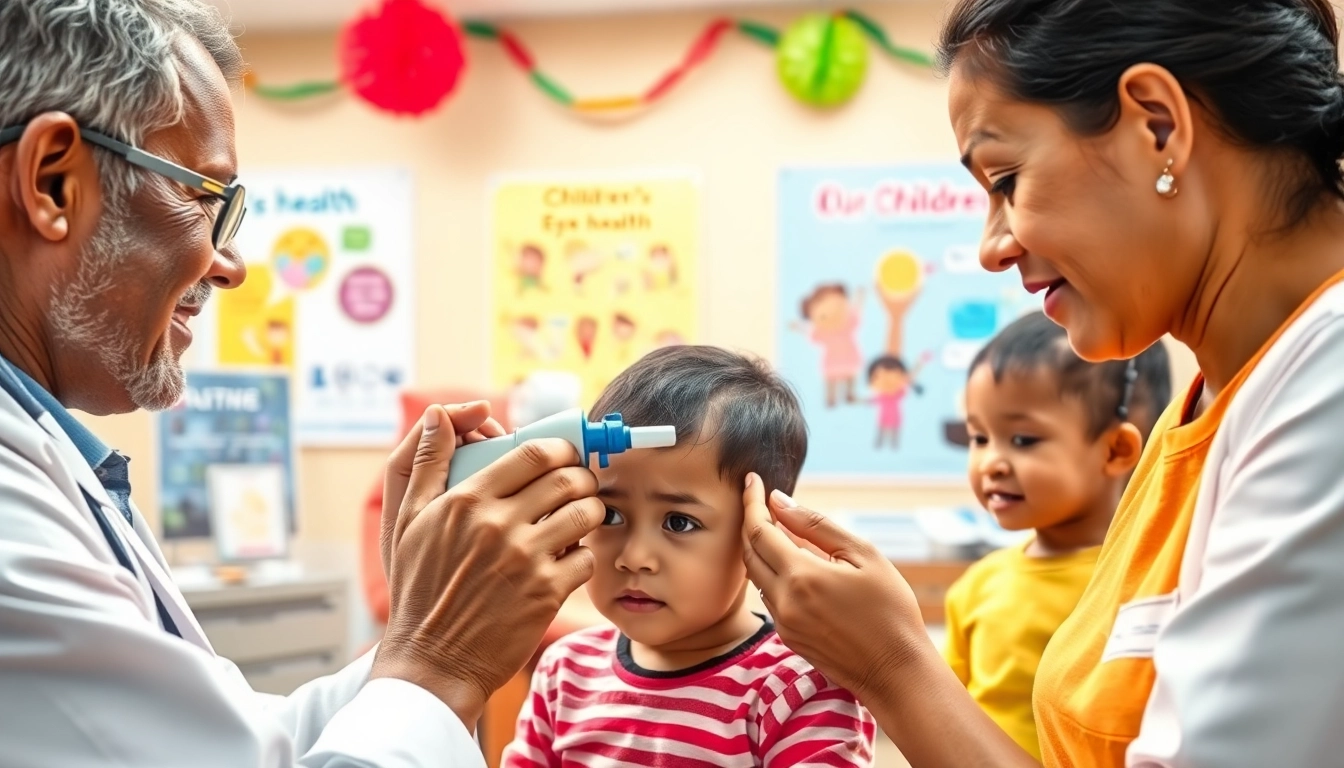
During a comprehensive eye exam, a child can expect to undergo several tests that assess various aspects of their vision, including:
- Visual acuity tests to measure how well they see at different distances.
- Eye alignment and movement assessments to check for strabismus or other alignment issues.
- Refraction tests to determine the prescription needed for glasses if required.
Key Components of a Comprehensive Exam
A thorough eye exam will typically include a review of the child’s medical history, family history of eye conditions, and discussions about behavioral or educational observations. This proactive approach helps identify potential hereditary eye diseases and allows for early intervention if necessary.
Follow-Up Care and Ongoing Management
After the initial exam, follow-up care might be necessary depending on the outcomes. This could include additional assessments, referrals to specialists, or various treatment options such as corrective lenses, vision therapy, or even surgical interventions in more severe cases. Establishing a routine for ongoing eye health checks will enable parents to keep track of their child's vision changes throughout different developmental stages.
Advocacy and Awareness for Child Eye Health
Raising awareness about the importance of child eye health is crucial for advocacy efforts. Community support, educational initiatives, and local programs can enhance the impact of these advocacy efforts.
Community Programs Supporting Our Children's Vision
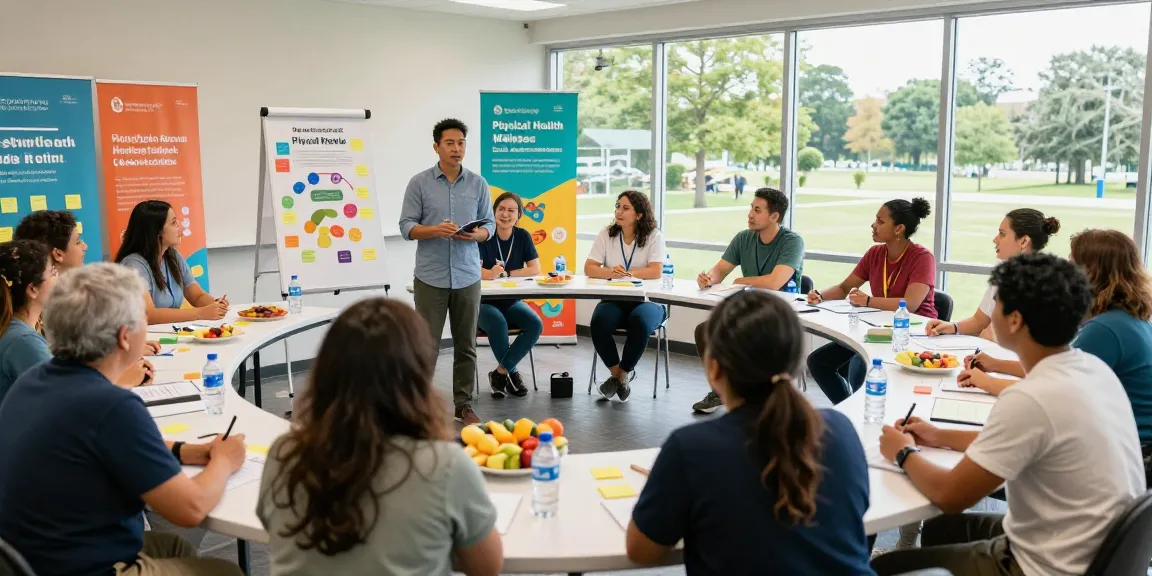
Community programs play a vital role in providing screenings and education. Local health fairs, school events, and partnerships with organizations focused on children's health can effectively reach families. These programs often provide free or low-cost vision screenings, educational resources about healthy vision practices, and access to eye care professionals.
How to Get Involved
Individuals can contribute to advocacy efforts in various ways:
- Volunteering with local health organizations that focus on children's vision.
- Participating in initiatives aimed at increasing awareness of childhood vision issues.
- Sharing resources and information with other parents to encourage regular eye check-ups.
Raising Awareness in Schools
Schools can serve as significant avenues for promoting eye health awareness. Programs can incorporate vision health education into the curriculum, and schools can collaborate with local healthcare providers to conduct eye screenings. Teaching children about the importance of eye care will foster a culture of health that extends beyond the classroom.
Future of Eye Care Initiatives
The landscape of pediatric eye care is continuously evolving, with innovations aimed at improving access and quality of services. These advancements are critical in ensuring that future generations of children receive the care they need.
Innovations in Pediatric Eye Care
New technologies and methodologies are emerging in the field of pediatric eye care, promising to enhance effectiveness. Telehealth services, for instance, have made it easier for families in remote areas to access eye care professionals without lengthy travel times. Additionally, AI-driven tools are being developed to aid in diagnosing visual impairments more accurately and efficiently.
Potential Global Impact
The potential global impact of improved pediatric eye care initiatives is immense. By expanding access to vision screenings and comprehensive eye exams worldwide, millions more children can be reached. Initiatives focused on education and awareness have the power to change lives, transforming how communities address and prioritize children's vision health.
Call to Action for Communities
Communities are called to action to prioritize children's vision health. By fostering partnerships between healthcare providers, schools, and local organizations, we can create comprehensive care networks that ensure every child has access to essential eye care services. Emphasizing unity in this cause can transform our ability to address this significant public health issue, ultimately ensuring a brighter future for our children.