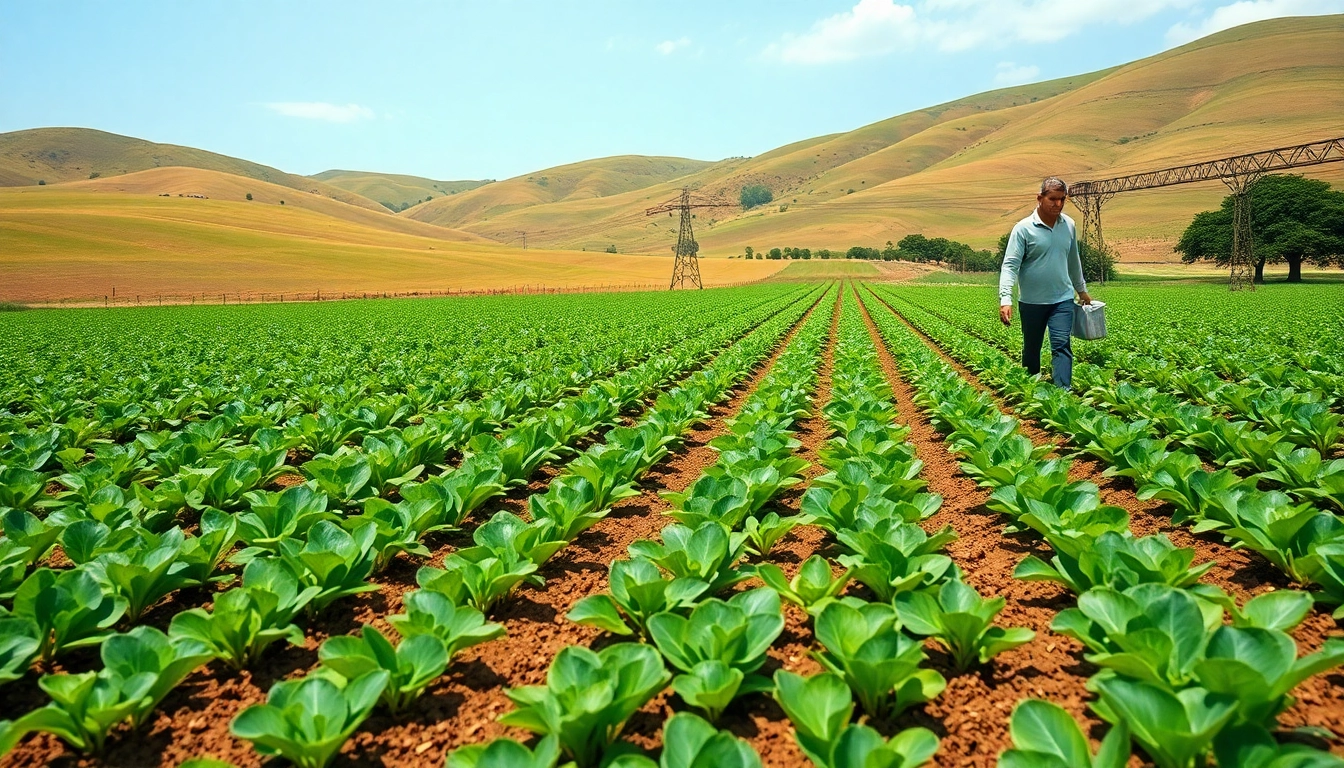
Understanding Land Irrigation: Key Concepts
What is Land Irrigation?
Land irrigation is the artificial application of water to the land to assist in the growth of crops. It’s a crucial agricultural practice that helps to control the amount of water available to plants, ensuring they receive the right amount at the right times. By implementing land irrigation systems, farmers can enhance productivity and sustainability while mitigating the challenges posed by natural rainfall variations.
The Importance of Land Irrigation in Agriculture
The significance of land irrigation in agriculture cannot be overstated. With global population growth and climate changes, the need for effective irrigation systems has become more critical than ever. Irrigation allows for food production on drought-prone lands, increases yield per unit area, and enables the growth of diverse crops in non-native environments. Additionally, it plays a vital role in ensuring food security, sustainability, and environmental conservation.
Types of Land Irrigation Techniques
Different techniques of land irrigation cater to various agricultural needs and environmental conditions. The most common methods include:
- Surface Irrigation: Water is distributed over and across the land by gravity. This includes furrow, basin, and flood irrigation.
- Drip Irrigation: Water is delivered directly to the plant roots via a network of tubing. This method minimizes water loss and is highly efficient.
- Sprinkler Irrigation: Water is sprayed onto crops like natural rainfall through a system of pipes, pumps, and spray heads.
- Subsurface Irrigation: Water is applied below the soil surface through buried tubing, ensuring direct access to plant roots.
Assessing Your Land Irrigation Needs
Soil Type and Irrigation Compatibility
When implementing any land irrigation system, understanding the soil type is essential. Different soils, such as sandy, loamy, or clayey, have varying water retention capabilities. Sandy soils may drain quickly, necessitating frequent irrigation, while clayey soils hold water for longer periods, potentially resulting in waterlogging. Testing soil composition helps in selecting the appropriate land irrigation method and ensures efficient water use.
Climate Considerations for Effective Land Irrigation
Climate greatly influences irrigation decisions. Regions with a Mediterranean climate may require different scheduling compared to arid environments. For instance, in hot climates, timing irrigation during cooler parts of the day can reduce evaporation loss. Understanding seasonal precipitation and temperature patterns allows farmers to adjust their irrigation practices accordingly for maximum efficacy.
Crop Selection and Water Requirements
Each crop has unique water needs based on its growth stage and variety. To optimize land irrigation, selecting the right crops for the specific climatic and soil conditions is vital. For example, drought-resistant crops can reduce water usage, while high-water-demand plants may require more elaborate irrigation systems. Regularly assessing crop growth and adjusting water supply accordingly ensures optimal yield.
Implementing Effective Land Irrigation Systems
Choosing the Right Land Irrigation Technology
The selection of the right technology is crucial for successful land irrigation. Factors to consider include initial costs, maintenance, efficiency, and adaptability to local conditions. Drip irrigation systems are ideal for high-value crops due to their precision and efficiency, whereas surface systems may be more appropriate for lower-value crops in areas with ample water supply.
Installation Steps for Optimal Land Irrigation
Setting up a land irrigation system involves several key steps:
- Conduct a thorough site assessment to understand water availability, soil properties, and crop needs.
- Select appropriate irrigation equipment based on compatibility with the land.
- Design the system layout ensuring proper spacing and flow rates.
- Install the system, starting from the water source to the fields, with attention to proper connections and fittings.
- Test the system for leaks and water delivery accuracy before full operation.
Common Mistakes to Avoid in Land Irrigation Setup
When setting up land irrigation systems, several common mistakes can hinder efficiency:
- Inadequate Planning: Failing to assess the land thoroughly can lead to poor system performance.
- Ignoring Maintenance: Neglecting regular checks can result in system breakdowns and reduced efficiency.
- Overwatering: Applying too much water can lead to crop disease and nutrient leaching.
- Improper Timing: Irrigating at the wrong times can expand evaporation losses, especially in hot climates.
Monitoring and Maintenance of Land Irrigation Systems
How to Monitor Irrigation Efficiency
Monitoring the efficiency of land irrigation systems is essential for maximizing water use and crop yields. Techniques include:
- Tracking water application rates to ensure they meet crop requirements.
- Conducting soil moisture tests to gauge water availability and prevent over- or under-watering.
- Using sensors and weather data to optimize schedule and delivery.
Maintenance Tips for Sustainable Land Irrigation
Regular maintenance is crucial for sustaining the performance of land irrigation systems. Key tips include:
- Regularly inspect for leaks and repairs needed to maintain water flow.
- Clear any blockages in filters and emitters to ensure consistent water distribution.
- Seasonal checks should involve adjusting the system according to weather changes.
Adjustments Needed for Seasonal Changes
As seasons change, so too does the irrigation demand of crops. Adjustments may include:
- Changing watering frequencies based on rainfall and temperature fluctuations.
- Modifying water delivery rates during growth stages to align with crop requirements.
- Implementing preemptive measures before droughts by setting efficient schedules that anticipate water shortages.
Future Trends in Land Irrigation
Technology Advancements Impacting Land Irrigation
Emerging technologies are revolutionizing land irrigation practices. Advanced data analytics, IoT devices, and automation are being integrated into irrigation systems. These technologies offer precision agriculture solutions that help farmers make informed decisions, reducing water usage while optimizing outputs.
Environmental Considerations in Land Irrigation
With increasing awareness about water scarcity and environmental sustainability, there is a push towards using environmentally friendly irrigation practices. Methods that incorporate rainwater harvesting, greywater recycling, and incorporated wetlands into irrigation plans minimize the ecological footprint while maintaining agricultural productivity.
Investment Opportunities in Land Irrigation Innovations
There is a growing demand for innovative solutions in land irrigation. Startups and established enterprises focusing on smart irrigation technologies, water efficiency tools, and drought-resistant crop development present significant investment opportunities. Engaging in research and development can lead to breakthrough solutions that address current irrigation challenges.
Frequently Asked Questions
What is the purpose of land irrigation?
The primary purpose of land irrigation is to provide crops with adequate water for growth, especially in areas with insufficient rainfall. It helps maximize agricultural productivity and food security.
How do I choose the right irrigation system for my farm?
Consider factors like soil type, crop demands, available water sources, and climate conditions to select the most suitable irrigation system for your specific needs.
What are the most efficient forms of land irrigation?
Drip irrigation and subsurface irrigation are generally seen as the most efficient forms as they minimize water loss due to evaporation and deliver water directly to the plant roots.
How often should I irrigate my crops?
Irrigation frequency depends on crop type, weather conditions, and soil moisture levels. Regular soil moisture monitoring can help determine the optimal irrigation schedule.
What common mistakes should I avoid in irrigation?
Common mistakes include overwatering, neglecting maintenance, failing to plan adequately, and ignoring local weather conditions. Awareness of these issues can prevent costly inefficiencies.