Understanding Crawl Space Restoration
What is Crawl Space Restoration?
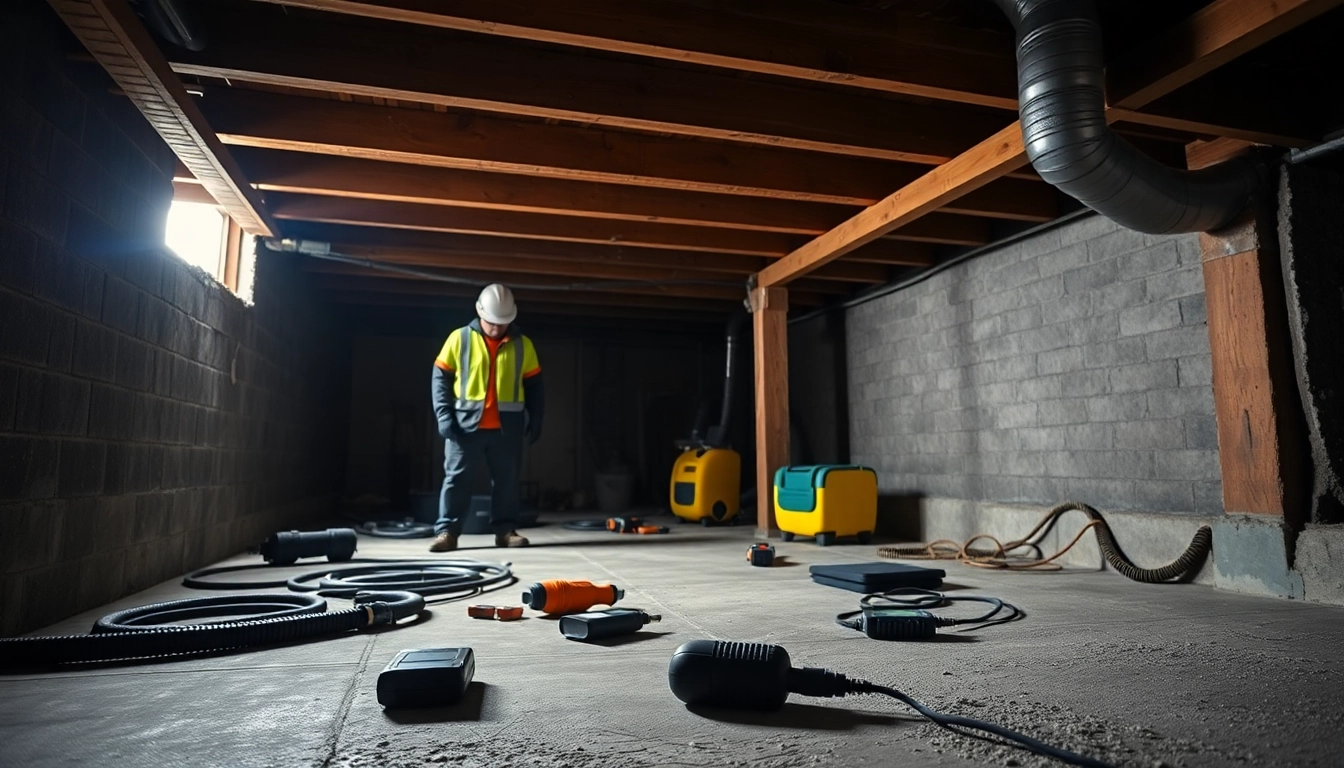
Crawl Space Restoration is the process of repairing and revitalizing your home's crawl space to ensure it remains structurally sound, moisture-free, and free of pests. This area, typically found beneath a home's first floor, is crucial for maintaining proper ventilation, insulation, and overall home health. Restoration often involves addressing water damage, insulation problems, structural issues, and more. Engaging in proper Crawl Space Restoration can extend the life of your home and improve indoor air quality.
Importance of Crawl Space Maintenance
Maintaining your crawl space is essential for several reasons. First and foremost, a well-kept crawl space helps prevent moisture and mold growth, which can lead significantly to health issues and structural damage. Additionally, regular maintenance can uncover potential problems before they escalate, saving you from costly repairs down the line.
Common Problems in Crawl Spaces
Crawl spaces can harbor various issues, some of which include:
- Moisture accumulation: This may stem from external water sources or high humidity levels.
- Wood rot: Decay that affects structural integrity, caused by prolonged moisture exposure.
- Pest infestations: Common pests include termites, rodents, and mold, which thrive in damp conditions.
- Insulation problems: Inadequate or damaged insulation can lead to energy inefficiency.
Signs Your Crawl Space Needs Restoration
Identifying Moisture Issues
One of the first signs of trouble in your crawl space is moisture. Check for condensation on walls, musty odors, or visible water pooling. Pools of water, even small amounts, can lead to significant problems, including mold growth and structural issues.
Recognizing Structural Damage
Structural damage can manifest as cracks in walls, sagging floors, or misaligned door frames. Such signs indicate that the integrity of your home may be compromised, pointing to a need for immediate evaluation and restoration.
Signs of Pest Infestation
If you notice signs like droppings, chewed wires, or damaged insulation, it may indicate pests. Infestations not only damage physical components but can also pose health risks due to harmful bacteria.
Crawl Space Restoration Techniques
Moisture Control Solutions
Effective moisture control is critical for a successful crawl space restoration. Techniques include:
- Installing a vapor barrier: This is a thick plastic sheet that prevents moisture from the ground from entering the crawl space.
- Improving drainage: Ensuring proper drainage around the home can prevent water from accumulating.
- Using dehumidifiers: These can help maintain an ideal humidity level in the crawl space.
Structural Repairs and Reinforcement
After assessing for structural damage, necessary repairs can be made. This may include:
- Replacing damaged joists: These wood components can rot and must be replaced to maintain support.
- Adding support beams: New beams may be required to ensure weight distribution is adequate.
- Using steel brackets or reinforcements: These can fortify existing structures against future issues.
Insulation and Ventilation Improvements
Proper insulation and ventilation are key to ensuring a healthy crawl space. Enhancements might include:
- Insulating walls: Use appropriate materials that resist moisture.
- Sealing vents: Proactively sealing vents can prevent cold drafts and moisture intrusion, maintaining more stable conditions.
- Installing exhaust fans: Fans can help regulate air exchange, driving away stale, damp air.
DIY vs. Professional Crawl Space Restoration
When to Consider DIY Approaches
Minor issues, such as cleaning debris or applying a basic vapor barrier, may be manageable through DIY efforts. Equip yourself with the right tools and knowledge before embarking on any project, but know that complex issues often require expertise.
Benefits of Hiring Professionals
Professionals come with extensive training and experience to identify hidden problems and effectively implement restoration solutions. Their work tends to be faster and more thorough, ensuring that your crawl space is effectively restored and future problems are minimized.
Cost Considerations for Restoration
The cost of crawl space restoration varies widely based on the extent of the necessary repairs. Minor restorations might range from a few hundred dollars, while comprehensive assessments and repairs could reach into the thousands. Understanding the specifics of your situation can help you budget for a successful restoration.
FAQs about Crawl Space Restoration
What are the most common problems in crawl spaces?
Common issues include moisture accumulation, wood rot, pest infestations, and insulation problems that can affect overall home health.
How often should crawl spaces be inspected?
It's recommended to inspect crawl spaces at least once a year to catch issues early, especially after heavy rains or severe weather.
Can I restore my crawl space myself?
DIY restoration is possible for minor issues, but significant problems, especially structural damage or moisture issues, are best left to professionals.
What are the costs associated with crawl space restoration?
Costs can vary widely based on the extent of the repairs needed, ranging from a few hundred to several thousand dollars for comprehensive work.
How can I prevent future crawl space issues?
Regular inspections, proper drainage, thorough sealing, and ensuring good ventilation can help prevent future crawl space problems.