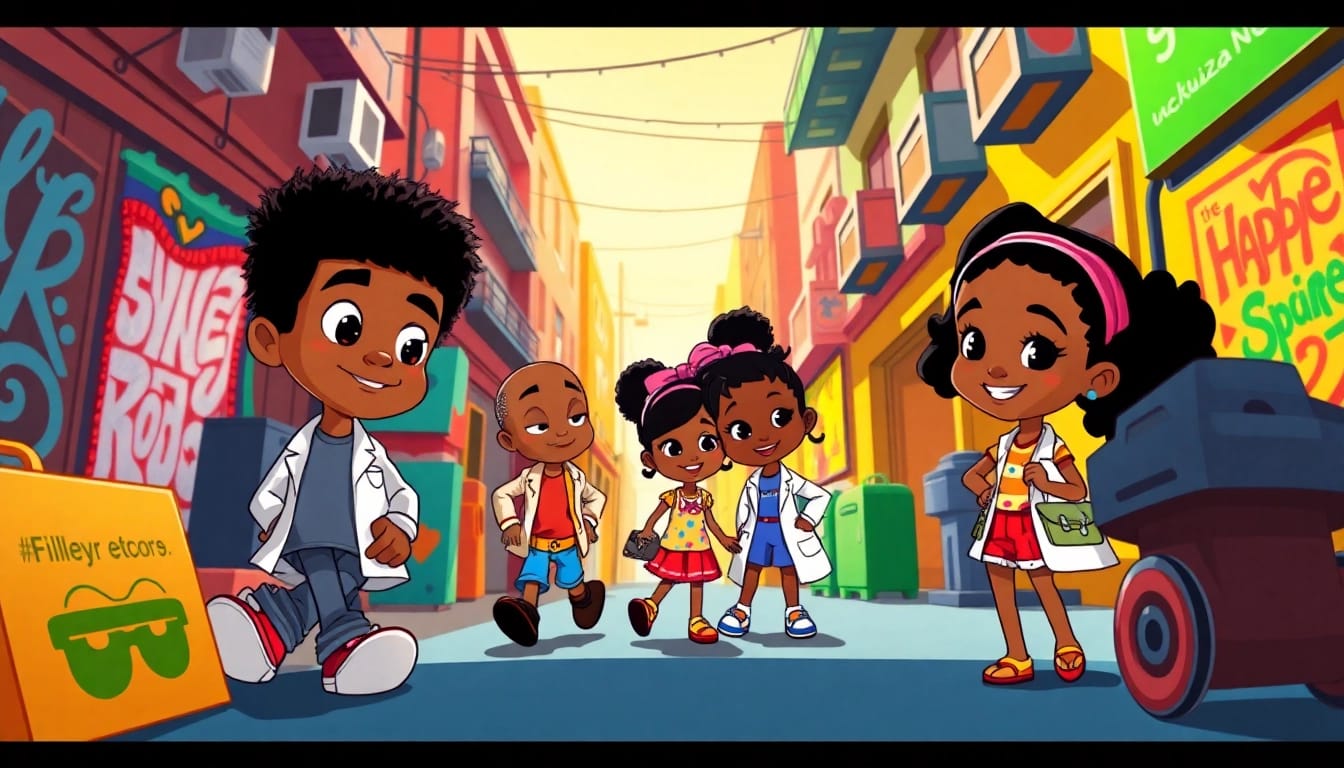
The Evolution of African American Cartoons
In recent years, the landscape of animation has dramatically transformed, particularly concerning representation. African American cartoons have not only entertained but also served as critical mediums for cultural expression and identity. From early portrayals that often leaned into stereotypes to modern animations that celebrate nuanced narratives, this evolution mirrors the broader societal shifts toward inclusivity and recognition of diverse voices. As viewers seek content that resonates with their experiences, African American Cartoons have come to occupy a significant space in the animation industry, promoting understanding and appreciation of African American culture.
The Historical Context of Black Animation
The journey of African American representation in animation can be traced back to the early 20th century. However, many early depictions were often rooted in caricatures that perpetuated negative stereotypes. Innovations in animation around the 1920s saw the emergence of characters like “Bimbo,” a black face caricature, which, while popular, highlighted the challenges faced by black animators and creators.
By the 1960s and 70s, there was a noticeable shift in how black characters were conceptualized, largely due to the civil rights movement which pushed for more authenticity in representation. Shows like “Fat Albert and the Cosby Kids” emerged, created by Bill Cosby, providing a more relatable portrayal of African American youth. This era marked the beginning of a more thoughtful approach to animation, laying the foundation for future creators.
Key Milestones in Cartoon Representation
- 1970s: The launch of “Fat Albert and the Cosby Kids” introduced a cast of characters that explored the everyday lives and struggles of African American youth.
- 2000s: “The Boondocks,” created by Aaron McGruder, offered a satirical take on African American life, touching on issues of race and identity.
- 2010s: Shows like “The Proud Family” revived interest in black animation, presenting stories of African American families through relatable narratives and humor.
Modern Trends in Black Animation
Today’s animation landscape demonstrates an embracing of bold narratives. The rise of technology and streaming platforms has allowed for a broader spectrum of voices, leading to a surge in African American Animation aimed at both children and adults. Shows like “Craig of the Creek” and “Tuca & Bertie” reflect a blend of humor, societal issues, and life lessons that resonate with diverse audiences.
Iconic African American Cartoons You Should Know
Defining Characters Through The Decades
Throughout the years, several characters have become defining symbols of African American culture within the realm of animation. Each decade has brought forth revolutionary characters:
- 70s: Fat Albert, from “Fat Albert and the Cosby Kids,” who served as a role model for many.
- 90s: Penny Proud from “The Proud Family,” whose adventures highlighted the intricacies of growing up as a young black girl in America.
- 2000s: Huey and Riley Freeman from “The Boondocks,” who provided a sharp commentary on race relations, blending humor and critique.
Favorite Shows from the 90s and 2000s
The 90s and early 2000s were a golden era for African American cartoons. “Animaniacs” included characters like “Pinky and the Brain” that incorporated broader themes, while “The Proud Family” focused on a contemporary black family navigating life's challenges. Other notable mentions include “Static Shock,” which tackled issues of race and heroism. These shows not only entertained but educated audiences about African American experiences.
Emerging Titles in 2026
As we move into 2026, several new titles are making waves in the animation scene. “Motown Magic,” which reimagines classic Motown songs through animation, introduces younger audiences to the importance of music in African American culture. Additionally, “Young Love,” based on the short film of the same name, dives into the lives of a young African American couple, showcasing their journey of love and parenthood in a modern context.
Impact of African American Cartoons on Culture
Shaping Identity and Representation
African American cartoons have played a crucial role in shaping cultural identity. They provide representation that allows young black viewers to see themselves reflected in media, contributing to positive self-identity. Characters that grapple with real issues such as systemic racism, socio-economic challenges, and cultural pride resonate deeply with audiences, fostering a sense of belonging and affirmation.
Messages and Themes in Black Animation
Black animated shows often tackle various themes, including resilience, community, and self-acceptance. “Doc McStuffins,” aimed at younger audiences, introduces themes of healing and taking care of others, while “The Boondocks” uses satire to confront social issues. These layered messages encourage discussions on race, equality, and social justice among viewers of all ages.
Community Reactions and Engagement
The impact of these cartoons extends beyond entertainment; they engender community reactions that emphasize cultural pride. Platforms such as Twitter and Instagram frequently celebrate and critique these shows, fostering dialogue around representation in media. This engagement not only strengthens community bonds but also holds the creators accountable for the narratives they represent.
Where to Find and Watch African American Cartoons
Streaming Platforms Featuring Black Animation
With the rise of streaming services, accessing African American cartoons has never been easier. Platforms like Netflix and Hulu feature a plethora of shows catering to diverse audiences. For instance, “The Boondocks” and “The Proud Family” are available, showcasing their enduring popularity and relevance.
YouTube Channels for Kids and Families
YouTube has also become a vital resource for African American cartoons, with channels dedicated to showcasing diverse animated content. Channels like “Cartoon Network” and “PBS Kids” regularly feature content that promotes both entertainment and education, enhancing representation for younger viewers.
Upcoming Releases to Look Out For
As we approach the latter half of 2026, several animated projects are set to debut. Upcoming series include “The Black Experience,” which aims to showcase a variety of stories from the African American community, and “Soul Squad,” a new animated series inspired by the themes from the movie “Soul.” These initiatives promise to expand the narrative landscape of African American animation.
The Future of African American Cartoons in the Industry
Predictions for Animation Trends in 2026
Looking ahead to 2026, the trajectory of African American cartoons seems promising. More emphasis will likely be placed on authentic storytelling, with creators from diverse backgrounds taking the helm. This shift is expected to enhance the richness of narratives, making them more relatable to an increasingly diverse audience.
Innovation in Storytelling and Character Development
As technology advances, so does the ability to tell stories in innovative ways. Virtual reality (VR) and augmented reality (AR) are expected to play roles in bringing animated characters to life in unique environments, creating immersive experiences that resonate more profoundly with viewers.
Supporting Diverse Creatives in Animation
For the industry to thrive, support for diverse talent is essential. Initiatives and programs aimed at mentoring African American animators and writers will foster a new generation of creators. As they bring their experiences and perspectives to the forefront, more authentic stories will emerge, enriching the landscape of animation.