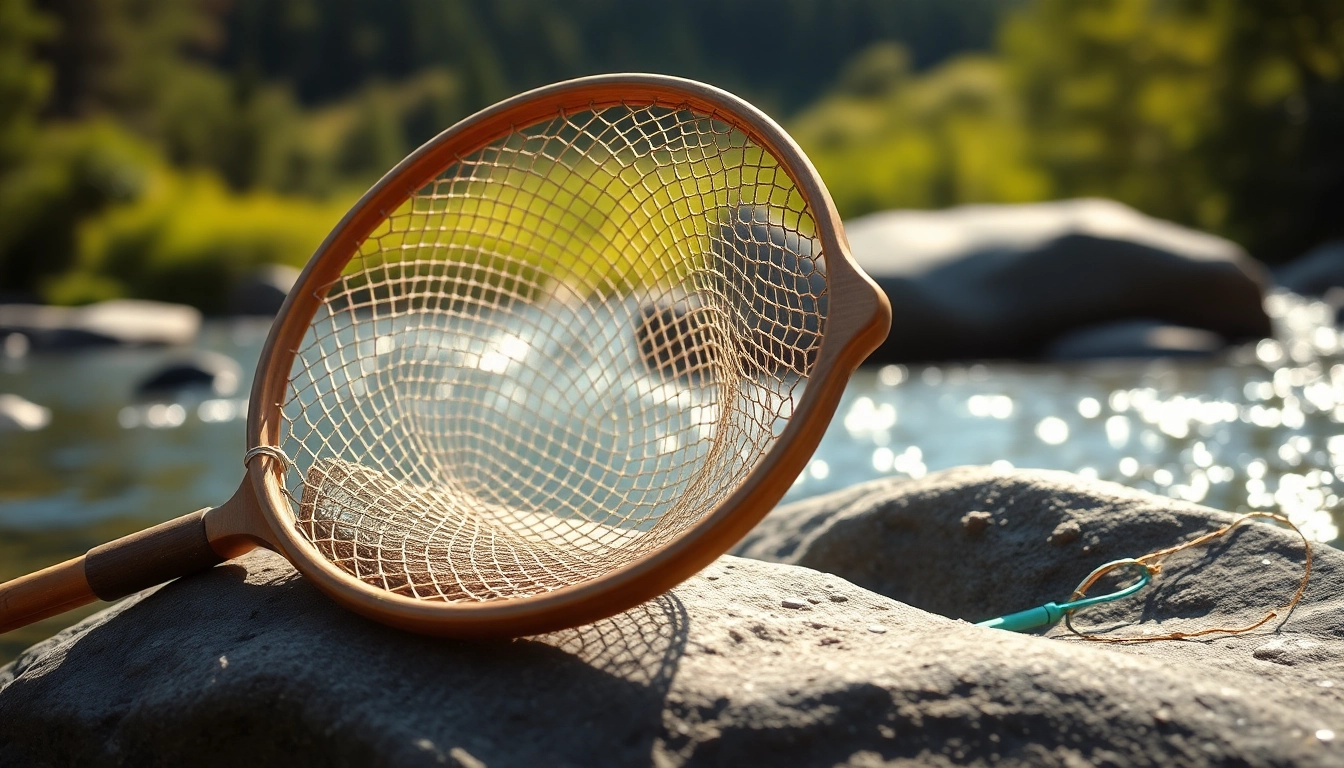
Understanding the Basics of Fly Fishing Net
What is a Fly Fishing Net?
A Fly fishing net is an essential tool designed for capturing and handling fish while minimizing harm. Unlike traditional nets used in other fishing methods, a fly fishing net often features a rubberized or soft mesh, which reduces stress on the fish during catch and release. Available in various shapes and sizes, these nets aim to facilitate the angler's experience and ensure the health and safety of the aquatic life involved.
Types of Fly Fishing Nets
Fly fishing nets can be categorized into several types, each serving different purposes depending on the fishing environment and species targeted:
- Landing Nets: Used for netting fish once they are reeled in, typically becoming an integral part of catch-and-release practices.
- Boat Nets: Designed to be used from a boat, often featuring longer handles to reach over the side more effectively.
- Wading Nets: Compact nets that can easily be carried while wading through rivers or streams.
- Custom Nets: Handmade nets that can be tailored to specific fishing styles or personal preferences.
Materials Used in Fly Fishing Nets
The composition of the net itself plays a crucial role in its effectiveness:
- Wood: Traditional nets often feature wooden frames for their aesthetic appeal and durability.
- Aluminum: Lightweight and corrosion-resistant, aluminum nets are popular among anglers who value convenience and maneuverability.
- Carbon Fiber: Known for its strength and lightweight properties, carbon fiber is increasingly being used for high-performance nets.
- Rubberized Mesh: This type of netting minimizes harm to fish and is also easier to clean, reducing the risk of snagging.
Benefits of Using a Fly Fishing Net
Preventing Fish Trauma
Using a fly fishing net significantly reduces the chances of causing trauma to the fish. When these nets are gently maneuvered under a fish, they minimize thrashing and keep the fish calm, providing a safer and more humane way to handle the catch.
Facilitating Quick Releases
Quick and efficient releases are paramount for preserving fish populations. A fly fishing net allows for a swift capture and release process, limiting the time a fish spends out of water and reducing stress levels, promoting better recovery rates.
Protecting Catch and Release Techniques
For anglers who practice catch-and-release fishing, using a fly fishing net is indispensable. Its design provides a gentler approach to handling fish, which is vital for reintroduction back into their habitat without injury.
Choosing the Right Size for Your Fly Fishing Net
Understanding Fish Size and Net Dimensions
Choosing the correct net size is vital and depends primarily on the species you intend to catch. For smaller species like panfish and bass, nets with hoop sizes of 12-18 inches are ideal, while larger species like trout may necessitate nets with dimensions exceeding 20 inches.
Guidelines for Selecting the Hoop Size
Considerations for hoop size also include your fishing environment. In fast-moving waters, a wider net can be advantageous, offering a larger target to score a catch. Conversely, in calmer waters or streams where careful casting is needed, a narrower net may suffice.
Considerations for Different Fishing Environments
The setting of your fishing trip should dictate your choice of net. For instance, boat fishing may call for a long-handled landing net, while wading in small rivers might warrant a compact net that allows for free movement without frustration.
Maintenance and Care for Your Fly Fishing Net
Cleaning Your Fly Fishing Net
Routine maintenance includes cleaning your fly fishing net after each outing. Rinse the net in freshwater to remove dirt and debris, and ensure the mesh is free from snags that could compromise its functionality.
Storage Best Practices to Prolong Longevity
When storing your net, avoid leaving it in high heat or direct sunlight as this can degrade materials. Keep your net in a dry, cool place, ideally hung or laid flat to prevent any bending or misalignment.
Repair Tips for Common Issues
If your net suffers minor damages, such as small tears in the mesh, consider knotting it instead of replacing the entire section. For wooden or aluminum frames, inspect regularly for cracks or corrosion and treat accordingly to extend their life.
Frequently Asked Questions about Fly Fishing Nets
What size net is best for fly fishing?
The best net size varies by fish species: smaller nets for trout (12-18 inches) and larger nets (20 inches+) for species like salmon and steelhead.
Why is netting fishing illegal?
Many nets are illegal due to their potential to harm non-target species and disrupt marine ecosystems, which promotes sustainable fishing practices.
Why do fly fishermen use nets?
Nets allow anglers to minimize fish trauma, facilitating quicker releases and enhancing recovery for catch-and-release practices.
How to choose a fly fishing net for catch-and-release?
Choose nets with rubberized mesh to minimize fish injury and ensure the net's size corresponds to the species targeted, allowing for an effective catch-and-release process.
What materials are best for fly fishing nets?
Rubberized mesh is preferable for fish safety, while aluminum and carbon fiber frames are lightweight and durable, making them ideal for various fishing conditions.