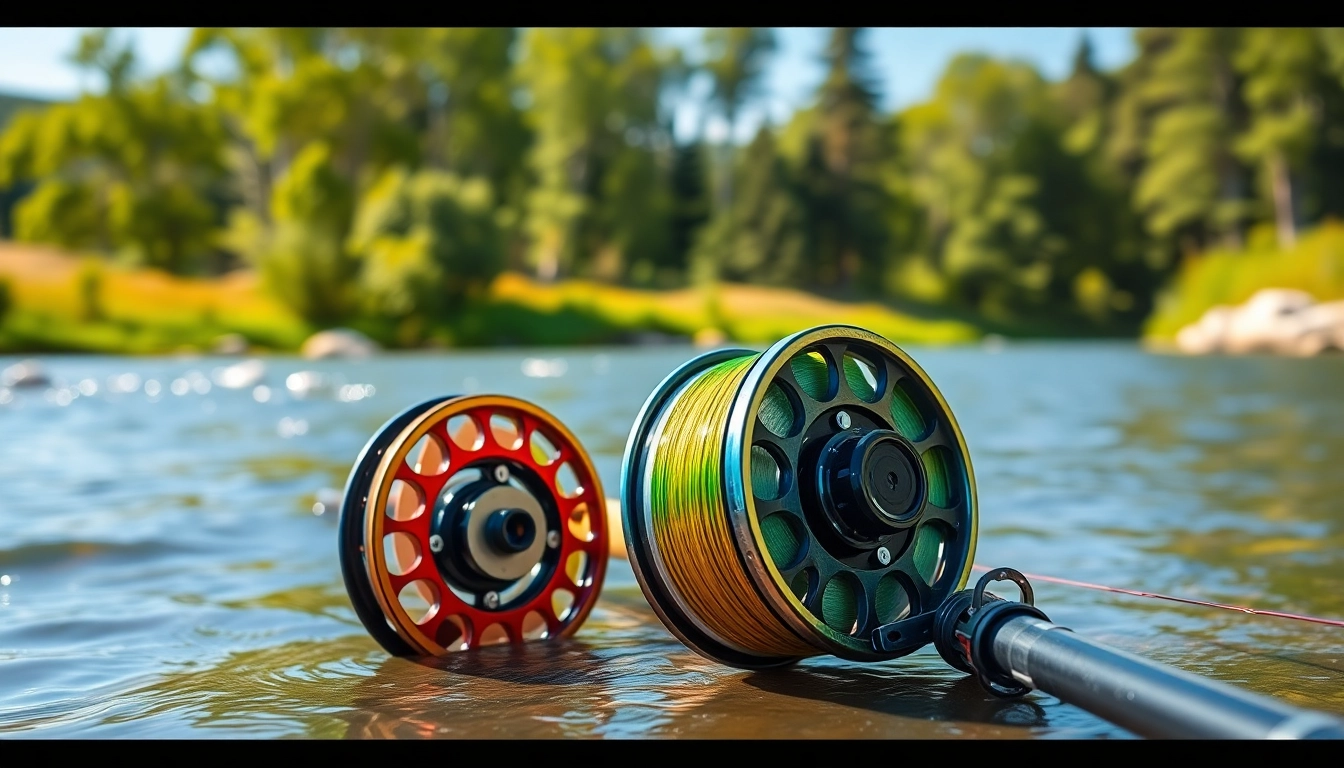
Understanding Fly Fishing Lines
What is a Fly Fishing Line?
In the realm of angling, particularly fly fishing, understanding the various components that contribute to a successful outing is essential. At the heart of this specialized technique lies the fly fishing line, a pivotal tool that links the angler to potential catches. Unlike conventional fishing lines used for bait casting, a fly fishing line is designed to deliver a fly—an artificial lure—through the use of its weight and taper.
This line generally consists of a core—often made of various materials for durability and flexibility—covered with a coating that allows for smooth casting and distance. Its purpose isn't just to reach the fish; it's engineered to create a specific presentation of the fly on the water, mimicking the natural movement and appearance of aquatic insects.
Types of Fly Fishing Lines Explained
Understanding the types of fly fishing lines available is crucial for any angler. Fly lines can generally be categorized into several different styles:
- Floating Lines: These are the most commonly used lines, ideal for fishing on the surface of the water. They help in presenting the fly delicately, making them perfect for dry fly fishing.
- Sinking Lines: These lines are designed to submerge the fly under the surface. They can be further divided into sinking tips, which have a heavier end for depth, and full sinking lines used for deeper waters.
- Intermediate Lines: These lines sink very slowly and can be used in various water conditions. They are excellent for presenting flies at a controlled depth.
- Specialized Lines: This category includes lines designed for specific purposes, such as saltwater fly fishing or for particular species. They come in unique materials and features adapted for different conditions.
Choosing the right type depends on the specific fishing scenario, including the water depth, fish species, and the desired presentation of the fly.
How Fly Fishing Line Affects Casting Techniques
The influence of fly fishing line on casting techniques cannot be overstated. The weight, taper, and length of the line can drastically affect how effectively a fly is delivered. Casting techniques can vary widely, but understanding how to match your line with the appropriate technique is essential for success.
For instance, a heavier line allows for easier casting in windy conditions, while a lighter line may give you the precision required for delicate presentations. The taper of the line can add to this effect, where a double-taper line allows for better control during roll casting techniques, and weight-forward designs can achieve longer distances with less effort. Together, these factors combine to enhance or inhibit your skills on the water.
Essential Factors in Selecting Fly Fishing Lines
Line Weight and Its Importance
One of the most critical aspects to consider when selecting a fly fishing line is its weight. The weight of the line determines its ability to cast a particular fly and works in conjunction with the rod's specifications. Fly lines are typically classified by a number system, ranging from 1 to 12, with lower numbers corresponding to lighter lines and higher numbers indicative of heavier lines.
Understanding the weight rating is essential for achieving the perfect cast. For instance, if you pair a 5-weight line with a 5-weight rod, it allows for optimum performance, making it easier to cast the fly accurately and with minimal effort. Conversely, using a heavier line can overload the rod and lead to casting inaccuracies, while a line that is too light may not load the rod sufficiently, resulting in ineffective casts.
Understanding Line Tapers and Their Effects
The taper of a fly line plays a pivotal role in how it casts and presents the fly. Tapering can significantly influence the line's weight distribution and its ability to turn over flies accurately. There are various types of tapers, including:
- Weight Forward Taper: These lines have more weight distributed toward the front end, allowing for greater casting distance and easier loading of the rod. Ideal for long-distance casting.
- Double Taper: This taper consists of a uniform diameter running down the line's length, offering two usable ends. It excels in delicate presentations and roll casts.
- Shooting Head: This line separates the head and running line, allowing for distance casting. It is best suited for anglers looking to position their flies far more quickly.
Understanding these differences helps in matching your equipment and casting style, ensuring you can present your flies effectively across different aquatic environments.
Material Choices: Monofilament vs. Braided Lines
Another critical factor in selecting fly fishing lines is the material composition. The two primary types of lines used in fly fishing are monofilament and braided lines, each exhibiting unique characteristics.
Monofilament Lines: These lines are most common among fly anglers due to their flexibility, stretch, and ability to absorb shock. This makes them ideal for protecting knots and delicate fly presentations, particularly in freshwater fisheries.
Braided Lines: While less common in traditional fly fishing, braided lines are gaining traction, particularly for big game or saltwater fly fishing. Their high strength-to-diameter ratio allows for long casts and less line stretch, providing direct contact with the fish and allowing for better sensitivity.
Ultimately, the choice between monofilament and braided depends on the specific fishing conditions, angler preference, and targeted fish species.
Advanced Techniques for Using Fly Fishing Lines
How to Properly Tie Fly Fishing Line Knots
Efficient fishing activities also hinge on how well you connect your flies to your fishing line. Learning to tie strong knots is vital for ensuring that the line does not break under tension, particularly when dealing with trophy catches. Some essential knots include:
- Clinched Knot: This knot is ideal for tying flies and hooks to your line. It is straightforward to tie and offers a reliable strength.
- Loop Knot: This knot allows for a more natural movement of the fly in the water, enhancing its presentation.
- Double Surgeon’s Knot: Used for attaching tippet to line or for connecting two lengths of line, its ease of tying makes it a favorite among anglers.
By mastering these knots, you enhance your fly fishing efficiency, ensuring a secure connection every time you cast.
Strategies for Different Water Conditions
Fly fishing is as much about adapting as it is about technique. Different water conditions will dictate the approach you take. Here are strategies tailored for various situations:
- Fast Water: In turbulent waters, use shorter, heavier lines to control your cast and present your fly effectively. The weight will help the fly sink quickly.
- Still Water: Floating lines with a long leader can be effective for allowing dry flies to drift naturally on the surface.
- Weedy or Obstructed Areas: Use sink-tip lines that let you fish deeper while avoiding surface obstructions.
- Saltwater Conditions: Choose lines designed for larger fish in harsher environments, often built to withstand salt corrosion and abrasion.
Being responsive to water conditions not only increases success rates but also enhances the overall fishing experience.
Optimizing Line Management for Carrying and Storage
Maintaining your fly line extends its life and preserves performance. Proper management involves several key elements:
- Spooling: Always spool your line onto reels correctly to avoid twists and tangles. Consider using a line winder for efficiency.
- Cleaning: Regularly clean your line with gentle soap and warm water to remove dirt and debris that can affect performance.
- Storage: Ensure lines are not exposed to direct sunlight for extended periods as UV rays can deteriorate the line material. Use protective storage containers or keep them in a cool, dark place.
By ensuring proper line management, you not only improve the longevity of your line but also enhance its performance on the water.
Common Mistakes with Fly Fishing Lines
Overloading Your Rod with the Wrong Line
One of the most prevalent mistakes anglers make is using a line that is too heavy for their rod. This misalignment leads to poor casting performance and can even damage the rod over time. Always ensure that the line’s weight corresponds with that of the rod to achieve optimal performance.
Neglecting Regular Line Maintenance
Regular maintenance is often overlooked by many anglers. Failure to clean and inspect lines can lead to weakenings, such as nicks that may result in breakage during a catch. Make it a habit to check your line for signs of wear and clean it regularly to ensure longevity and effectiveness.
Misunderstanding Line Length and Casting Dynamics
Line length plays an integral role in casting. Many beginners misjudge their required line length, leading to inaccurate casts. Rod length, line weight, and personal casting style should all be considered when selecting line length. Ensuring that you have the correct length can drastically change casting efficiency and fly presentation.
Performance Metrics and Reviews of Fly Fishing Lines
Top-Rated Fly Fishing Lines in the Market
Staying informed about market offerings is imperative for any serious angler. Based on angler feedback and performance metrics, some of the top-rated fly fishing lines include:
- Scientific Anglers Amplitude Smooth: Known for its slick performance and reduced friction, making for seamless casts.
- Rio Gold: Praised for its versatility in freshwater and unique taper design that enhances casting distance.
- Orvis Hydros: A high-performance option that provides excellent durability and smooth shooting.
When selecting your line, consider not just price, but also factors such as casting ability, durability, and the specific aquatic conditions you will be fishing in.
Competitor Comparisons: Price vs. Performance
The price of fly fishing lines can vary dramatically between brands and models. Understanding whether a premium price translates to better performance often requires comparison shopping. Reviews and user feedback can provide insights into whether the investment in a more expensive line is justified by its performance advantages.
Some anglers may argue for cost-effectiveness, favoring reliable yet affordable lines, especially for beginners. In contrast, advanced users often lean towards high-end options that offer advanced features, ensuring their casting adeptness and overall fishing experience.
How to Test and Evaluate Your Line's Performance
Testing your line’s performance involves assessing several factors such as casting distance, accuracy, durability, and sensitivity. Simple field tests can help provide this information:
- Perform long-distance casts and evaluate how the line behaves in wind conditions.
- Check sensitivity by detecting strikes through the line.
- Assess the ease of control during retrieval, ensuring smooth performance.
Gathering this data can help refine your line selection process, ensuring that you always put your best foot forward when it comes to gear.