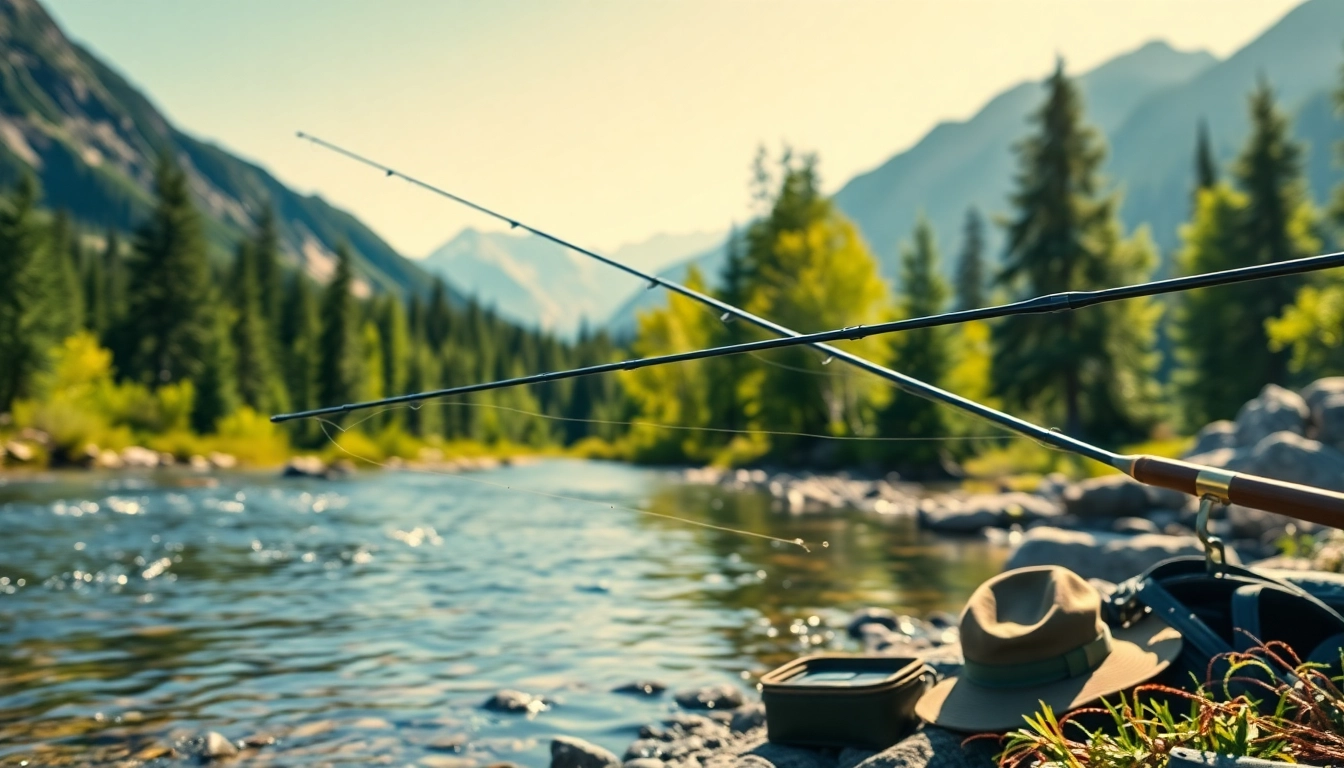
Introduction to Best Fly Fishing Rods
Fly fishing is not just a sport; it's an art form that requires the right equipment, techniques, and knowledge. Among the essential pieces of equipment, having the Best fly fishing rods is crucial for success on the water. These rods are tailored to various fishing conditions and techniques, impacting your casting, accuracy, and overall fishing experience.
Understanding Fly Fishing Basics
At its core, fly fishing differs from traditional fishing methods, emphasizing the use of artificial flies to imitate the natural prey of fish. The mechanics of casting a fly rod are unique, focused on delivering a lightweight lure to specific spots without spooking the fish. This art requires not only technique but the right gear to maximize performance.
Key Features to Look For
When selecting a fly rod, several features should be taken into account:
- Weight: This determines the rod's ability to cast different types of flies and weights.
- Length: Longer rods improve casting distance and line control, while shorter rods offer more precision in tight spaces.
- Action: The action of the rod refers to how much it bends when pressure is applied. Fast action rods bend mostly at the tip, while slow action rods flex throughout their length.
- Material: Common materials include graphite and fiberglass, each offering distinct benefits regarding sensitivity, weight, and durability.
Importance of Material and Design
The material of the rod significantly impacts its performance. Graphite rods are favored for their lightweight structure and sensitivity, allowing anglers to feel even the lightest bites. Fiberglass rods, while heavier, are often more forgiving, making them great for beginners or specific fishing styles. Additionally, design aspects like reel seats and guides play crucial roles in the overall functionality of the rod.
Types of Fly Fishing Rods
Freshwater vs Saltwater Rods
Fly rods are generally categorized into freshwater and saltwater types. Freshwater rods are lighter, designed for species like trout and panfish, using smaller flies. Saltwater rods, on the other hand, must be more robust to handle larger fish and tougher environments, often featuring corrosion-resistant components.
Weight and Its Impact on Casting
The weight rating of a fly rod directly influences its casting ability. Common weight categories range from 1 to 12, with lighter weights ideal for small streams and delicate presentations, while heavier weights are better suited for larger waters and big fish. Understanding the correct weight for your fishing conditions can vastly improve casting accuracy and efficiency.
Length and How It Affects Performance
Rod length can have a profound effect on your casting and retrieving techniques. A longer rod (9 feet or more) can enhance line control and distance but may be challenging for inexperienced anglers. Conversely, shorter rods (7 feet or less) allow for greater accuracy in tight spaces, such as dense foliage or fast-moving streams.
How to Choose the Best Fly Fishing Rods
Assessing Your Fishing Style
Your personal fishing style plays a pivotal role in selecting a fly rod. Do you prefer casting in serene lakes, navigating rivers, or targeting saltwater species? Understanding the environment and species you are targeting will dictate the necessary specifications of the rod you should choose.
Budget Considerations
Budget is a significant consideration when selecting a fly rod. Prices can range from inexpensive entry-level rods to high-end professional models. While it might be tempting to grab the cheapest option, investing in a quality rod that aligns with your prospective fishing style can yield better long-term results and satisfaction.
Testing Before You Buy
Whenever possible, testing fly rods before purchase can be invaluable. Many local shops or outfitters offer rental programs, which allow you to experience how different rods perform. Pay attention to how the rod feels in hand, its responsiveness, and how easily it casts. This personal experience can be the deciding factor in your ultimate selection.
Maintaining Your Fly Fishing Rod
Cleaning and Storage Tips
Proper care and maintenance are essential for prolonging the life of your fly rod. After each use, rinse your rod with clean water to remove dirt, salt, and grime. Avoid exposing the rod to extremes of temperature and sunlight. Store it in a protective case to prevent damage and keep it organized.
Repairing Common Damages
Even with the best maintenance, rods can incur damage. Common issues include guide damage, line twists, and cork deterioration. Addressing these problems promptly can be crucial. Guides can often be replaced or repaired by professionals, while minor cork issues can be addressed with cleaning solutions specifically designed for fly rods.
Enhancing Lifespan of Your Rod
To enhance your fly rod's lifespan, it’s crucial to regularly check for any signs of wear and tear, handle your equipment with care, and refrain from using it in harsh conditions wherever possible. Regular maintenance, such as cleaning and storage, will help maintain the quality and performance of your rod over time.
FAQs About Best Fly Fishing Rods
What is the ideal weight for a fly rod?
The ideal weight for a fly rod varies depending on the fish species you are targeting. For beginners, a 5-weight rod is a versatile choice for various freshwater applications.
Can I use the same rod for freshwater and saltwater?
While it's possible to use the same rod for both environments, it's not recommended. Saltwater rods are designed for larger species and resistant to corrosion, making them more suitable for saltwater use.
How much should I spend on a beginner's fly rod?
For beginners, a budget of $100 to $300 is a reasonable range for a quality fly rod. Higher-priced models often offer better performance and materials, but many affordable options work perfectly for learning.
What length rod is best for river fishing?
A 9-foot rod is generally suitable for most river fishing applications. However, shorter rods (7 to 8 feet) may be preferable for tight spaces and more technical water types.
Are more expensive rods worth the investment?
Expensive rods often feature superior materials, construction, and sensitivity, resulting in improved performance and durability. While not always necessary, they can enhance the overall fishing experience for dedicated anglers.