Understanding Railroad Track Construction
Railroad track construction is a complex process that involves multiple stages and a wide range of expertise. This essential infrastructure supports freight and passenger transport, playing a vital role in connecting communities and driving economic growth. As you explore the landscape of railroad construction, it’s crucial to select a competent Railroad Track Construction Company that aligns with your project’s needs.
Basics of Railroad Infrastructure
Railroads consist of various components working together to create a functional transportation network. The main elements include:
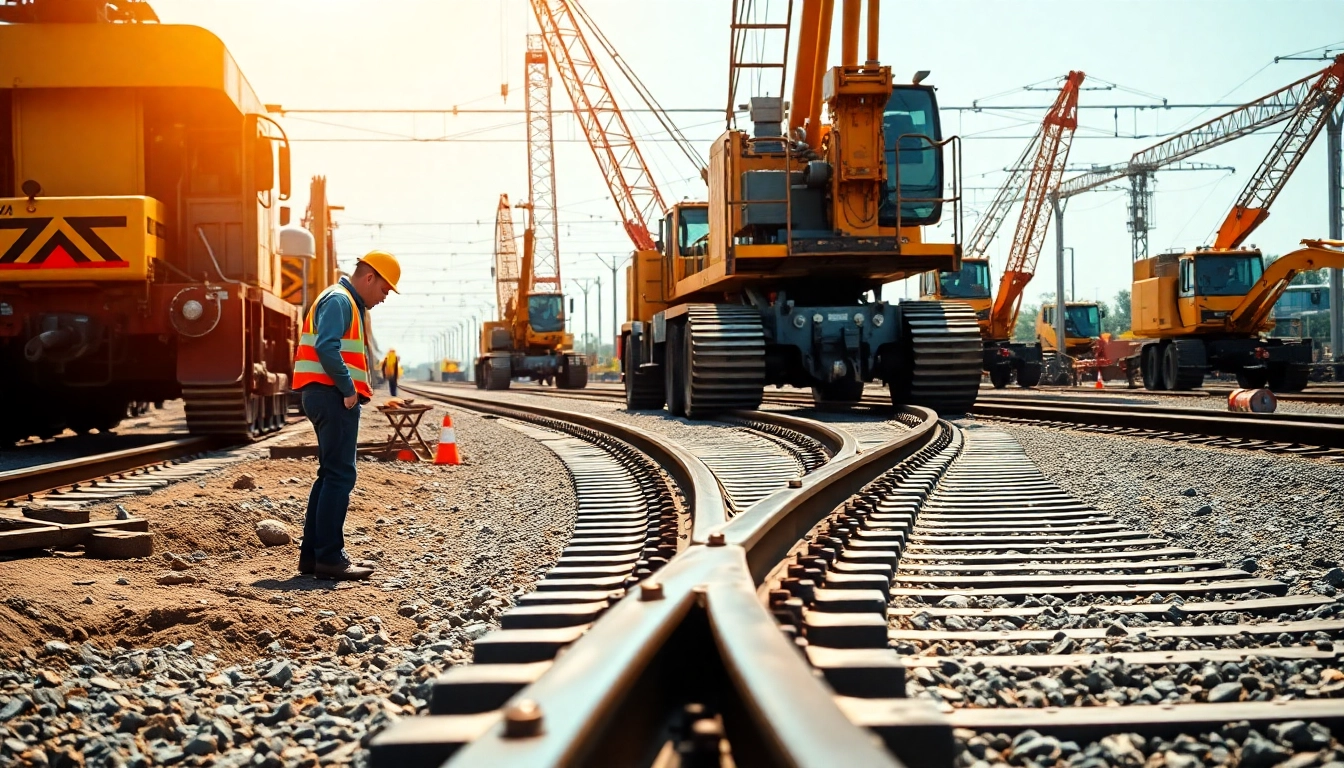
- Track Structure: The track itself is composed of rails, ties, and ballast that support and stabilize the trains.
- Subgrade: This is the underlying foundation that provides support for the track structure.
- Drainage Systems: Proper drainage is critical to prevent water accumulation that can weaken the track structure.
- Signaling and Control Systems: These systems ensure safe train operations by managing traffic on the rail network.
Understanding these components is essential for developing effective construction and maintenance strategies.
Importance of Quality Materials
The durability and safety of railroad tracks depend heavily on the materials used in their construction. Considerations for material quality include:
- Rails: Typically made from carbon steel, rails must meet specific tensile strength requirements to handle heavy loads.
- Ties: These can be made from wood, concrete, or composite materials, each offering different benefits in terms of longevity and cost.
- Ballast: Crushed stone or gravel provides stability, allowing for drainage while supporting the ties and rails.
Opting for high-grade materials can significantly reduce the need for repairs and maintenance in the long run, making these initial investments worthwhile for any construction project.
Key Construction Techniques
Successful railroad track construction involves employing specific construction techniques that enhance efficiency, safety, and longevity. Notable techniques include:
- Track Laying: This method involves precise measurements and alignment to ensure that the track can handle anticipated loads without deformation.
- Ballasting: Properly distributing ballast under the ties helps stabilize the track structure and accommodate shifting ground conditions.
- Welding and Rail Joining: Continuous welded rail (CWR) techniques reduce the number of joints in the track, minimizing disruptions and improving ride quality.
Implementing these construction techniques can greatly enhance the operational efficiency and safety of rail networks.
Challenges in Railroad Track Construction
While railroad track construction is essential, the process is fraught with challenges that need to be addressed to ensure successful project completion.
Environmental Considerations
Railroad construction projects can have significant environmental impacts, and mitigating these effects is critical. Some considerations include:
- Land Use: Construction often disrupts existing ecosystems and alters land use. Careful planning is necessary to minimize environmental damage.
- Pollution: Dust, noise, and chemical runoff can harm local wildlife and communities, requiring effective mitigation strategies.
- Water Resources: Projects must consider the potential impacts on local waterways, ensuring that construction practices prevent sedimentation and contamination.
Employing sustainable practices and adhering to environmental regulations will not only contribute to project compliance but also enhance public acceptance of the construction initiatives.
Timeline and Budget Constraints
Timely completion and budget adherence are paramount in railroad construction. Potential hurdles include:
- Resource Availability: Limited access to materials or equipment can lead to delays, necessitating effective supplier relationships.
- Weather Conditions: Unpredictable weather can halt construction activities, leading to extended timelines.
- Regulatory Approvals: Navigating complex regulatory environments can delay the start and progress of construction.
Establishing contingency plans and realistic timelines and maintaining open lines of communication with stakeholders can mitigate these concerns.
Safety Standards and Practices
Safety is a critical aspect of railroad construction, as the industry is often hazardous. Some key safety practices include:
- Safety Training: Ensuring that all crew members undergo comprehensive safety training is vital to reducing accidents.
- Personal Protective Equipment (PPE): Proper PPE usage is essential for protecting workers from potential hazards on the site.
- Safety Audits: Regular audits to assess compliance with safety regulations help maintain a culture of safety.
Prioritizing safety can safeguard workforce wellbeing and minimize delays associated with injuries or accidents on the job.
Choosing the Right Railroad Track Construction Company
Selecting the appropriate Railroad Track Construction Company can significantly influence the success of your construction project. Here are some key factors to consider:
Evaluating Experience and Expertise
The experience level of a construction firm can play a critical role in project outcomes. Factors to assess include:
- Years in Business: A company with a long track record is likely to have encountered and successfully navigated various challenges.
- Specialized Expertise: Ensure the contractor has demonstrated proficiency in relevant types of projects like freight or passenger lines.
- Regulatory Knowledge: Understanding of applicable laws and regulations is essential for compliance and project fluidity.
Evaluating experience helps ensure that your chosen company can handle your project’s specific requirements effectively.
Importance of Client Testimonials
Client feedback can provide valuable insights into a construction company’s reliability and quality of work. Consider the following:
- Word-of-Mouth: Recommendations from other businesses or entities help gauge trustworthiness.
- Review Platforms: Online reviews can reveal common issues or highlights about companies.
- Case Studies: Analyzing successful past projects can demonstrate a company’s ability to deliver on specific requirements.
Incorporating client testimonials into your evaluation process provides a more rounded view of potential construction partners.
Assessing Project Portfolio
A well-documented project portfolio is a tangible representation of a construction company’s capabilities. Key factors include:
- Variety of Projects: A diverse portfolio showcases versatility and adaptability in handling different types of construction challenges.
- Quality of Work: Photos and detailed descriptions of completed projects can indicate the quality and finish level you can expect.
- Post-Construction Support: Consider whether the company offers ongoing maintenance and support after project completion.
Reviewing a company’s portfolio can help you make an informed decision based on tangible evidence of their capabilities.
Best Practices in Railroad Track Construction
Adhering to best practices is essential for successful railroad construction, ensuring safety, efficiency, and durability. Here are some to consider:
Innovative Technologies in Track Laying
Advancements in technology have revolutionized railroad construction. Key innovations include:
- Automated Track Laying Machines: These can expedite the laying process while maintaining high precision levels.
- Geospatial Technology: Utilizes GPS and mapping to streamline planning and execution processes.
- Rail Monitoring Systems: Continuous monitoring of track conditions helps prevent potential failures before they occur.
Embracing these innovations can enhance project efficiency and reduce long-term maintenance costs.
Regular Maintenance and Upgrades
Preventive maintenance is vital for ensuring the longevity of railroad infrastructure. Recommendations include:
- Scheduled Inspections: Regularly inspecting track conditions can identify wear and tear before they lead to significant issues.
- Upgrades: Implementing technological upgrades helps keep rail systems current with industry standards.
- Routine Maintenance: Conducting routine maintenance tasks will ensure that rail infrastructure remains safe and operational.
Consistent maintenance adds years to the infrastructure and helps avoid unexpected repair costs.
Future-Proofing Track Infrastructure
Building for the future means considering upcoming demands on rail systems. Some strategies include:
- Anticipating Growth: Design infrastructure with the potential for future expansion and increased traffic in mind.
- Sustainable Practices: Utilize eco-friendly materials and energy-efficient practices to align with future sustainability goals.
- Smart Technologies: Integrating smart technology into infrastructure allows for data collection and optimization of operations.
Future-proofing ensures that investments today will meet the demands of tomorrow’s transportation landscape.
Conclusion and Next Steps
As you navigate the complexities of railroad track construction, it’s crucial to adopt a well-planned approach. Here are actionable next steps:
Developing a Construction Plan
Start by outlining your project’s scope, timeline, and budget. Establish clear objectives and identify potential challenges to create a comprehensive construction plan.
Setting Realistic Goals
Determine achievable goals based on your project requirements and available resources. Setting realistic milestones will help maintain project momentum and align expectations.
Contacting Your Railroad Track Construction Company
Once you’ve evaluated potential construction partners, reach out to your chosen Railroad Track Construction Company to discuss your project specifics, clarifying any questions and initiating the planning process.
Frequently Asked Questions
What is the typical timeline for railroad track construction?
The timeline varies based on project size, complexity, and environmental factors, typically ranging from a few months to several years.
How do environmental regulations impact railroad projects?
Environmental regulations necessitate careful planning to minimize ecological impacts, influencing project timelines and processes.
What are the most common materials used in track construction?
Common materials include carbon steel for rails, concrete or wood for ties, and gravel for ballast to provide stability and support.
How can technology improve railroad construction?
Technologies like automated track laying machines and real-time rail monitoring systems enhance efficiency and safety while reducing long-term costs.
What should I look for in a construction company?
Evaluate a company’s experience, client testimonials, and project portfolio to ensure they align with your specific project needs.