
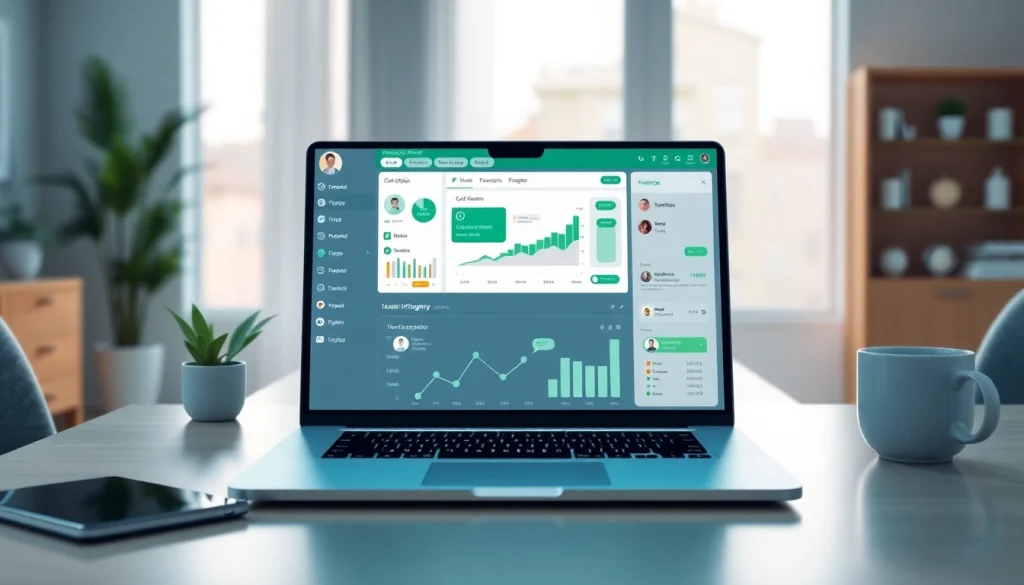
Understanding the Role of CRM for WhatsApp in Modern Business
In an increasingly digital and interconnected world, the way businesses interact with customers has undergone a significant transformation. Among various communication platforms, WhatsApp has emerged as a key player in customer engagement, making the integration of Customer Relationship Management (CRM) systems essential for many organizations. Understanding What is a CRM for WhatsApp becomes imperative for businesses aiming to enhance their operational efficiency and improve customer satisfaction.
Definition and Purpose
A CRM for WhatsApp is a tool designed to manage a business’s interactions and relationships with customers through the popularly used messaging application, WhatsApp. It integrates with the WhatsApp Business API, allowing businesses to streamline communication, automate messaging, and analyze customer interactions. The primary purpose of this integration is to create a more efficient and effective communication channel, ensuring that businesses can cater to their customers promptly and effectively.
Benefits of Integrating WhatsApp with CRM
The integration of WhatsApp with CRM systems presents a plethora of benefits for businesses:
- Enhanced Communication: Businesses can directly engage customers through WhatsApp, responding quickly to queries and providing support, which leads to improved customer satisfaction.
- Centralized Data Management: All customer interactions on WhatsApp can be logged and managed within the CRM, providing a holistic view of customer relationships.
- Automation: Automated messaging features allow businesses to deliver timely information and updates to customers, reducing manual workload and ensuring consistent communication.
- Analytics and Reporting: Integration enables the analysis of customer engagement metrics, thus helping businesses to understand purchasing behaviors and tailor marketing strategies accordingly.
Key Features of WhatsApp CRMs
To maximize their potential, WhatsApp CRMs typically offer a range of features:
- Multi-Channel Support: Manage multiple messaging platforms from a single interface, ensuring a seamless experience across different communication channels.
- Customizable Templates: Create and deploy templates for frequently asked questions or responses to ensure quick replies without compromising personalization.
- Customer Segmentation: Segment customers based on their interactions, preferences, and behaviors to deliver targeted messages or marketing materials.
- Integration Capabilities: Connect with other essential business tools (like marketing automation software or sales platforms) to ensure cohesive operations.
How WhatsApp CRMs Improve Customer Interaction
Streamlined Communication Processes
WhatsApp CRMs facilitate the management of customer conversations, allowing businesses to keep track of ongoing dialogues. This streamlining not only saves time but also helps avoid miscommunication. With the ability to view chat histories and customer data simultaneously, businesses can provide tailored responses to inquiries, thus fostering a more personal relationship with customers.
Personalized Customer Experiences
The integration of CRM with WhatsApp enables businesses to customize their interactions based on customer data. This means that responses can be tailored to each customer’s history, preferences, and previous interactions. Such personalization enhances the client experience, making customers feel valued and understood, which is crucial in building long-term loyalty.
Enhanced Response Times
In today’s fast-paced environment, promptness in responses can significantly impact a business’s reputation. WhatsApp CRMs ensure that messages are not only sent quickly but can also be automated for common questions. This leads to faster resolutions and minimizes the waiting time for customers, showcasing a business’s commitment to excellent service.
Implementing a CRM for WhatsApp: Best Practices
Choosing the Right CRM Software
Selecting a CRM that meets the specific needs of your business is critical. Considerations should include the size of your business, the features offered, scalability, and ease of integration with existing systems. Look for options that provide robust support for WhatsApp integration and user-friendly interfaces that make it easy for your team to adapt.
Integration Steps: Connecting WhatsApp with CRM
The integration process typically involves several key steps:
- API Access: Obtain access to the WhatsApp Business API, which is essential for enabling connection to your CRM.
- Setup and Configuration: Configure the CRM settings to work with WhatsApp, including managing permissions and user access.
- Testing: Thoroughly test the integration to ensure that messages are sent and received correctly, and that all features function as intended.
- Launch: Roll out the integrated system, allowing your team to start using it actively for customer communications.
Training Staff for Effective Usage
Even the best systems can fail without proper implementation. Providing comprehensive training for your staff ensures they are comfortable using the CRM integrated with WhatsApp. Training sessions should cover basic functionalities, how to manage chats, and best practices for maintaining customer relationships through the platform.
Measuring Success with WhatsApp CRM
Key Performance Indicators
To evaluate the effectiveness of your WhatsApp CRM integration, specific Key Performance Indicators (KPIs) should be monitored, including:
- Response Time: Track how quickly your team responds to customer inquiries.
- Customer Satisfaction Score: Use surveys or feedback tools to gauge customer satisfaction levels.
- Conversion Rate: Measure the impact of your WhatsApp interactions on sales or lead generation.
Customer Satisfaction Metrics
Numerous metrics can be used to assess customer satisfaction, such as Net Promoter Score (NPS) or Customer Effort Score (CES). These scores provide valuable insights into how well your integrated communication approach is resonating with clients.
Continuous Improvement through Feedback
Encouraging customer feedback is crucial for ongoing improvement. Regularly analyzing both qualitative and quantitative feedback enables you to identify areas where the integration can be refined, enhancing service quality over time.
Future Trends in WhatsApp CRM Development
Advanced Automation Features
Future CRMs are likely to leverage advanced automation features to further streamline customer interactions. These may include chatbots capable of handling complex queries, predictive analytics to forecast customer needs, and automated follow-ups to maintain engagement.
The Role of AI in WhatsApp CRMs
Artificial Intelligence (AI) will increasingly play a pivotal role in enhancing WhatsApp CRMs. From analyzing customer data to providing personalized experiences, AI can help businesses predict trends, enhance customer engagement, and optimize response strategies, greatly improving the overall service workflow.
Adapting to Evolving Customer Expectations
The landscape of customer expectations is ever-evolving, influenced by advancements in technology and changing societal norms. Businesses must remain agile and adapt their CRM strategies to meet these expectations, including offering flexibility in communication options, improved accessibility, and seamless integration across platforms to create a holistic customer experience.