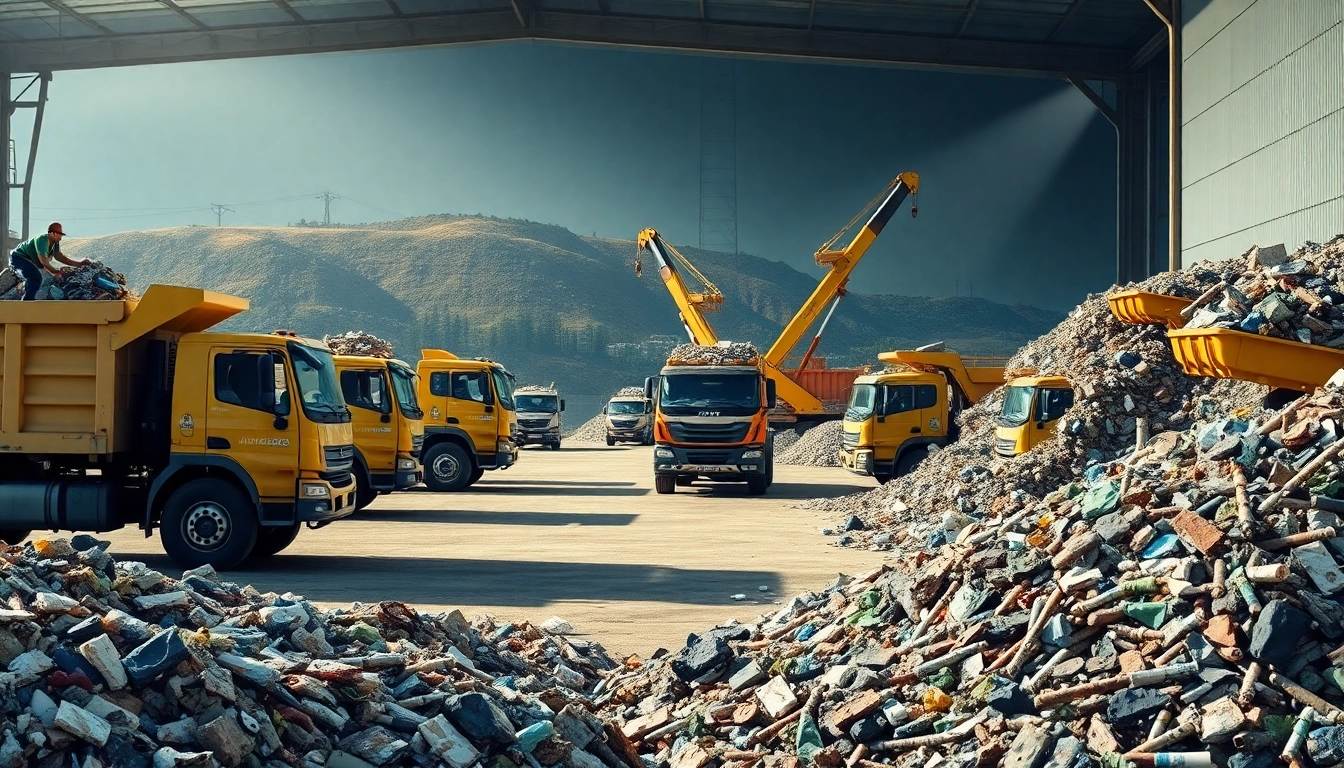

Overview of the Manhattan Construction Manager Role
The role of a Manhattan Construction Manager is crucial in the vibrant and ever-evolving landscape of New York City construction. These professionals are responsible for overseeing various aspects of a construction project, ensuring that it is completed on time, within budget, and to the required quality standards. With Manhattan’s unique challenges—such as limited space, regulatory complexities, and high-stakes environments—these managers must be adept at balancing multiple priorities while leading diverse teams.
Key Responsibilities
A Manhattan Construction Manager wears many hats. Key responsibilities include:
- Project Planning and Coordination: They develop detailed project plans outlining tasks, timelines, and resources.
- Budget Management: This involves estimating project costs, managing budgets, and ensuring projects stay financially on track.
- Team Leadership: They must lead and motivate construction teams, ensuring cohesion and productivity among workers and subcontractors.
- Quality Control: Monitoring construction quality throughout the project lifecycle to ensure compliance with specifications and standards.
- Regulatory Compliance: Ensuring that all construction activities comply with local building codes, safety regulations, and environmental standards.
Essential Skills Required
The successful Manhattan Construction Manager possesses a unique blend of skills, including:
- Strong Leadership Skills: Ability to inspire, lead, and manage teams effectively.
- Excellent Communication Skills: Proficiency in verbal and written communication to interact with diverse stakeholders.
- Problem-Solving Abilities: Quickly addressing and overcoming unexpected challenges that arise during projects.
- Organizational Skills: Maintaining meticulous organization to manage multiple projects simultaneously.
- Technical Knowledge: Understanding of construction methods, materials, and quality control processes.
Differences from Other Management Roles
While all management roles require leadership and strategic thinking, the position of a Manhattan Construction Manager is distinct in several ways. They typically operate in fast-paced environments with stringent deadlines and high financial stakes. Unlike project managers in other industries, construction managers must navigate a physically changing environment and adapt to the complexities of urban space, safety regulations, and building codes that are unique to Manhattan.
Best Practices for Project Management
Mastering the art of project management is essential for any organization, particularly in the construction field. Below are best practices that enhance efficiency and outcomes.
Effective Communication Techniques
Effective communication is the backbone of successful project management. Techniques include:
- Regular Updates: Holding frequent meetings with team members to provide progress updates and address concerns.
- Crisp Documentation: Keeping thorough records of project plans, changes, and decisions to maintain clarity and avoid misunderstandings.
- Use of Collaborative Tools: Employing project management software that allows real-time collaboration and sharing of information among stakeholders.
Utilizing Technology in Management
In today’s digital age, technology plays a critical role in project management. Construction managers should consider:
- Project Management Software: Tools like Microsoft Project or Trello to track project timelines and resources.
- Building Information Modeling (BIM): Utilizing 3D modeling to visualize projects and streamline communication among teams.
- Drones and Site Monitoring: Using drones for aerial site assessments, enabling quick and effective inspections.
Time Management Strategies
Effective time management ensures project milestones are met. Implementation strategies include:
- Setting Clear Deadlines: Developing a timeline with specific milestones to keep projects on track.
- Prioritizing Tasks: Using methods like the Eisenhower Box to prioritize tasks based on urgency and importance.
- Regular Progress Reviews: Conducting consistent meetings to assess progress and adjust plans accordingly.
Navigating Challenges in Construction Management
Every construction project encounters challenges. Being prepared and knowledgeable about these potential issues can mitigate risks significantly.
Dealing with Budget Constraints
Budget constraints are a common challenge faced by Manhattan Construction Managers. Strategies to manage budgets include:
- Detailed Budgeting: Preparing a comprehensive budget that allows for contingencies and unexpected costs.
- Regular Financial Reviews: Analyzing financial reports to track spending and make necessary adjustments in real time.
- Negotiating with Suppliers: Building strong relationships with suppliers to secure better pricing and terms.
Managing Team Dynamics
With diverse teams often comprising engineers, architects, and laborers, effective management is essential to maintain harmony. Best practices include:
- Team Building Activities: Organizing events to strengthen relationships and improve morale.
- Encouraging Open Dialogue: Creating an environment where team members feel comfortable expressing their viewpoints and concerns.
- Conflict Resolution Training: Providing training to team leads on conflict management techniques.
Addressing Regulatory Issues
Regulations can pose significant challenges in construction management. Strategies to navigate these include:
- Staying Informed: Keeping up-to-date with local construction laws and codes can prevent legal issues.
- Hiring Compliance Experts: Employing specialists who can guide projects through regulatory requirements effectively.
- Regular Inspections: Conducting preemptive site inspections to ensure compliance with safety standards.
Case Studies of Successful Projects
Learning from successful construction projects can provide valuable insights for future endeavors. Here, we explore significant projects within New York City.
Analyzing New York City Projects
New York City has a unique construction landscape. A look into successful projects reveals common themes:
- Adaptive Reuse: Projects such as the High Line have successfully transformed existing structures into usable spaces, demonstrating innovative use of urban architecture.
- Community Involvement: Engaging local communities in the planning stages has shown to enhance public relations and project acceptance.
- Focus on Sustainability: Many high-profile projects are now integrating sustainable materials and construction practices, setting benchmarks for eco-responsibility.
Lessons from Large-Scale Construction
Large-scale construction projects offer a wealth of information for future planning, including:
- Comprehensive Pre-Planning: Projects like Hudson Yards emphasize the importance of thorough pre-planning to ensure a smooth construction process.
- Integration of Technology: Utilizing cutting-edge technologies throughout the construction phase leads to enhanced efficiency and safety.
- Clear Communication Channels: Successful projects prioritize communication to mitigate misunderstandings and streamline workflows.
Innovations in Project Execution
With technology evolving rapidly, innovation has become a cornerstone of successful project execution. Trends include:
- Automation: Leveraging automated machinery to improve accuracy and reduce labor costs.
- Virtual Reality (VR): Using VR for immersive project simulations that allow stakeholders to visualize projects before they start.
- Sustainability Technologies: Employing technologies that reduce environmental impact during construction processes.
Future Trends for Manhattan Construction Managers
As the construction landscape continues to evolve, Manhattan Construction Managers must adapt to new trends and challenges:
Impact of Sustainable Practices
With increasing awareness of environmental issues, sustainable practices in construction management are becoming non-negotiable. Future trends include:
- Use of Green Materials: Incorporating sustainable building materials that reduce carbon footprints.
- Energy-Efficient Design: Designing buildings with energy efficiency in mind can significantly lower operational costs.
- Waste Reduction Strategies: Implementing waste management systems to minimize landfill contributions is crucial for sustainable construction.
Emerging Technologies
As technology advances, construction managers must remain at the forefront of innovations. Important tech trends involve:
- Augmented Reality (AR): Utilizing AR tools for on-site project visualizations and enhanced training experiences for laborers.
- IoT Integration: The Internet of Things is making buildings smarter, with connected devices improving maintenance and operational efficiency.
- Advanced Project Management Tools: Implementing new digital solutions for better resource management and project tracking.
The Evolving Landscape of Urban Development
The urban development landscape in Manhattan is continuously changing, with trends such as:
- Mixed-Use Developments: Increasing demand for spaces that combine residential, commercial, and recreational areas enhances urban living experiences.
- Transit-Oriented Developments: Projects designed around public transport hubs promote connectivity and convenience for residents.
- Adaptive Urban Spaces: Transforming underused areas into vibrant public spaces encourages community interaction and urban revitalization.
Frequently Asked Questions:
1. What qualifications do I need to become a Manhattan Construction Manager? A Bachelor’s degree in construction management, civil engineering, or related fields, along with experience in project management, is typically required.
2. How does a Manhattan Construction Manager handle project deadlines? By developing clear timelines, setting milestones, and using resource management tools to monitor progress effectively.
3. What are common challenges faced by Manhattan Construction Managers? They often deal with budget constraints, regulatory hurdles, and the coordination of diverse teams and stakeholders.
4. Can technology improve construction management processes? Yes, utilizing software for project tracking, scheduling, and communication streamlines workflows and increases efficiency.
5. How important is safety management for a Manhattan Construction Manager? Safety is critical; implementing proper safety protocols helps prevent accidents and ensures compliance with industry regulations.