Understanding Fish Harvesting Systems
What are Fish Harvesting Systems?
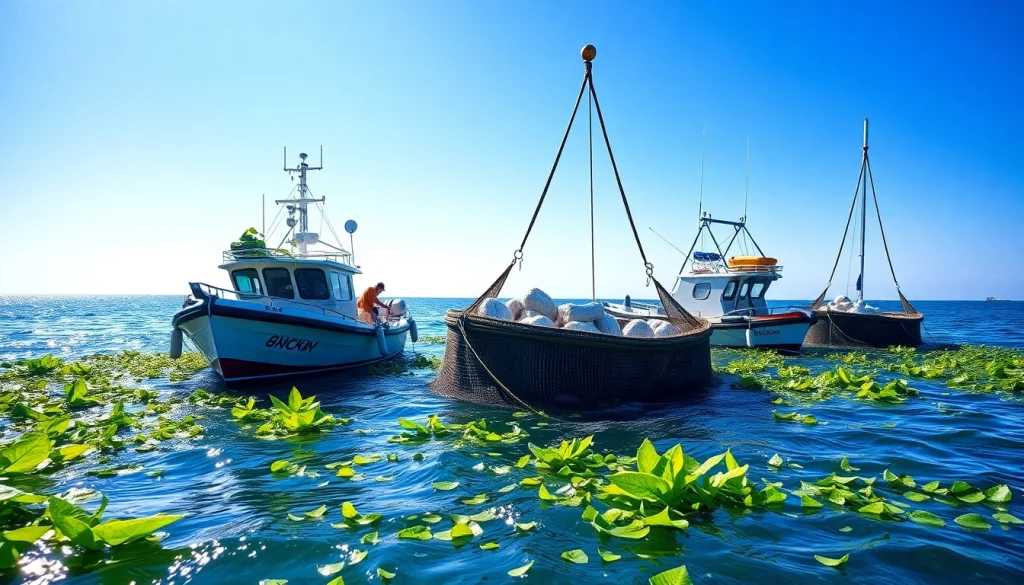
Fish harvesting systems represent a sophisticated means of efficiently collecting various species of fish for commercial, recreational, or subsistence purposes. These systems encompass a multitude of methods and technologies designed to gather fish in a manner that balances productivity with sustainability. With the growing global demand for fish and the pressing need to ensure aquatic ecosystem health, innovative fish harvesting systems have emerged, allowing fishers to maximize yields while minimizing ecological impact.
Types of Fish Harvesting Systems
Fish harvesting systems can be categorized into several distinct types, each tailored for specific environments and fishing practices:
- Gill Nets: These lightweight nets allow fish to pass through but entangle them when they attempt to escape, making them effective for various species in freshwater and saltwater.
- Trawlers: Vessels equipped with large nets deployed in a cone shape, trawlers drag the net through the water to catch fish, suitable for large-scale harvesting in deep waters.
- Aquaculture Systems: Controlled environments, including fish farms, where species are bred, raised, and harvested in a sustainable manner, reducing pressures on wild fishing stocks.
- Purse Seining: A method using a large wall of netting to encircle schools of fish, which is then drawn closed at the bottom, effectively trapping the fish inside.
- Longlining: Employing a long line with baited hooks spaced at intervals, this method targets specific fish species and reduces bycatch of non-target species.
Key Components of Effective Fish Harvesting Systems
For a fish harvesting system to function effectively, it must be underpinned by several essential components:
- Technology Integration: Techniques such as GPS and sonar help fishers locate schools of fish and determine the best times for harvesting.
- Environmental Management: Implementing practices that consider the health of fish populations and surrounding aquatic ecosystems is critical to long-term sustainability.
- Regulatory Compliance: Adherence to local and international fishing regulations ensures that harvesting practices are ethical and sustainable.
- Community Engagement: Involving local communities in decision-making processes fosters support and leads to the development of practices that align with socio-economic needs.
Benefits of Modern Fish Harvesting Systems
Enhancing Sustainability through Technology
The advent of modern fish harvesting systems has revolutionized sustainable fishing practices. Advanced technologies enable real-time monitoring of fish populations, allowing for the responsible management of harvesting rates and the avoidance of overfishing. Innovations such as electronic tagging and data analytics provide fishery managers with the information needed to make data-driven decisions, ensuring that fish stocks remain viable for future generations.
Economic Advantages of Efficient Fish Harvesting Systems
Modern fish harvesting systems do not just promote sustainability; they also yield significant economic benefits. By employing efficient methods, fishers can reduce operational costs, enhance catch quality, and increase profitability. The introduction of automation and precision tools decreases labor costs while maximizing fish yield, thereby boosting economic viability for communities reliant on fishing industries.
Environmental Impact Assessment
Adopting modern fish harvesting systems also entails conducting thorough environmental impact assessments (EIAs). These evaluations consider the effects of fishing activities on local ecosystems, helping to establish best practices that minimize harm. Such assessments guide the implementation of adaptive management strategies, ensuring that fish harvesting is conducted in a way that preserves biodiversity and protects critical habitats.
Implementing Fish Harvesting Systems
Steps to Integrate Fish Harvesting Systems
The successful integration of fish harvesting systems involves several key steps:
- Assessment of Needs: Analyze local fish populations, market demand, and environmental conditions to establish a clear understanding of requirements.
- Selection of Appropriate Methods: Choose suitable harvesting techniques that align with available technology and ecological considerations.
- Engagement of Stakeholders: Collaborate with community members, fishing organizations, and regulatory bodies to ensure collective participation and support.
- Implementation of Best Practices: Train fishers on sustainable harvesting techniques and encourage adherence to established guidelines.
- Monitoring and Adaptation: Regularly evaluate the effectiveness of the harvesting system and adapt practices in response to environmental or economic changes.
Common Challenges in Implementation
Implementing fish harvesting systems can come with its share of challenges:
- Resistance to Change: Some fishers may be hesitant to adopt new technologies or techniques due to a lack of trust in their effectiveness.
- Limited Resources: Access to funding and equipment can be restricted, preventing the successful implementation of more sustainable practices.
- Complex Regulations: Navigating local, national, and international fishing regulations can be cumbersome and confusing for fishers.
- Environmental Concerns: Instances of overfishing and habitat degradation can lead to decreased fish populations, challenging sustainability efforts.
Best Practices for Successful Fish Harvesting
To facilitate successful fish harvesting, consider these best practices:
- Training and Education: Provide ongoing education for fishers on sustainable practices, technological adoption, and regulatory requirements.
- Data-Driven Decision-Making: Utilize data analytics tools to track fish populations and adjust harvesting practices accordingly.
- Collaboration with Experts: Work alongside marine biologists and environmental specialists to design and implement effective fish harvesting systems.
- Promoting Community Involvement: Engage local communities in the management of fishery resources, fostering a sense of ownership and commitment.
Monitoring and Maintaining Fish Harvesting Systems
Key Performance Indicators for Fish Harvesting
Monitoring the performance of fish harvesting systems is critical. Key performance indicators (KPIs) may include:
- Catch Rates: The volume of fish caught over specific timeframes, which can indicate system efficiency and fishery health.
- Sustainability Metrics: Indicators measuring the ecological impact of harvesting activities, such as bycatch rates and habitat disruptions.
- Economic Returns: Analysis of profitability, pricing trends, and resource management costs to gauge economic viability.
- Compliance Rates: The degree to which harvesting practices adhere to local and international regulations.
Routine Maintenance Procedures
Regular maintenance of harvesting equipment and systems is essential to maximize efficiency and prevent failure. Routine procedures should include:
- Equipment Inspections: Regular checks on nets, boats, and other gear to identify wear and tear and conduct necessary repairs.
- Cleaning and Sanitization: Preventing the spread of diseases and parasites by regularly cleaning equipment and facilities.
- Data Review: On an ongoing basis, analyze operational data to pinpoint inefficiencies or areas for improvement.
Utilizing Technology for Monitoring
Incorporating technology into fish harvesting systems enhances monitoring capabilities significantly. Tools such as:
- GPS Technology: Enables accurate tracking of fishing locations and yields.
- Sonar Devices: Assist in locating schools of fish, maximizing harvesting efficiency.
- Automated Reporting Systems: Streamline data collection and reporting, ensuring transparent monitoring of harvesting operations.
Future Trends in Fish Harvesting Systems
Innovations on the Horizon
The future of fish harvesting systems promises exciting innovations. Emerging technologies include artificial intelligence that predicts fishing patterns and advanced drones for aerial surveillance of fishing areas. These innovations will not only enhance efficiency but also contribute to better management of fish populations.
Predicted Changes in the Industry
As global demand for fish continues to rise, the industry is likely to shift towards more integrated approaches. The convergence of aquaculture and wild-capture fishing will become increasingly common, promoting resource-sharing models that enhance sustainability across both sectors.
Global Standards for Sustainable Fish Harvesting Systems
With the importance of sustainable fishing underscored by various international agreements, global standards for fish harvesting systems are evolving. These standards aim to promote responsible fishing practices, protect marine ecosystems, and assess the long-term viability of fish populations. Adopting such regulatory frameworks will be crucial for the future of the industry.
FAQs
What are fish harvesting systems?
Fish harvesting systems are organized methods used to collect fish efficiently and sustainably for various purposes.
How do modern fish harvesting systems improve efficiency?
Modern systems utilize advanced technologies, such as automated nets and tracking systems, to enhance collection speed and accuracy.
What types of fish harvesting systems are available?
Common types include gill nets, trawlers, and aquaculture systems, each suited for different fishing environments and species.
What role does sustainability play in fish harvesting systems?
Sustainability ensures that fish populations are not depleted, promoting long-term ecological balance and responsible fishing practices.
How can I monitor fish harvesting systems?
Monitoring can be achieved using sensors, data analysis software, and regular inspections to ensure optimal performance and health of fish stocks.