Understanding Emergency Railroad Repair Services
What Are Emergency Railroad Repair Services?
Emergency Railroad Repair Services encompass a range of critical interventions aimed at restoring the functionality and safety of railroad systems in response to unexpected incidents. These services are initiated when track integrity is compromised or when equipment failures jeopardize the seamless operation of train services. The primary goal is to rapidly assess the situation and implement effective repairs to minimize disruption and maintain safety standards. Emergency Railroad Repair Services are characterized by their urgency and specificity, targeting immediate threats to rail safety.
Importance of Timely Repairs
Timely repairs in the railroad sector are imperative not only for the immediate restoration of service but also for the overall safety of rail operations. Delays in addressing issues can lead to catastrophic incidents, including derailments, injuries, or fatalities. Emphasizing swift action can save lives and resources. Additionally, quick repairs enhance operational efficiency, maintaining schedules and reducing the economic impact often associated with service disruptions.
Common Situations Requiring Emergency Repairs
Several scenarios can necessitate emergency railroad repairs:
- Track Damage: Events such as collisions, earthquakes, or severe weather can compromise track integrity.
- Equipment Failures: Mechanical failures of locomotives or railcars may halt operations unexpectedly.
- Obstructions: Fallen trees, rockslides, or debris on tracks require immediate clearance to prevent accidents.
- Signal Failures: Malfunctioning signal systems can create hazardous conditions for train movement.
The Process of Emergency Railroad Repair Services
Initial Assessment and Inspection
The first step in addressing any railroad emergency is a thorough assessment and inspection. Trained personnel are deployed to the site to ascertain the extent of damages. This involves utilizing specialized equipment, such as drones or high-rail vehicles, to conduct detailed inspections from multiple perspectives. Team members will check for structural integrity, evaluate environmental impacts, and gather information to formulate an effective repair strategy.
Executing Repairs Efficiently
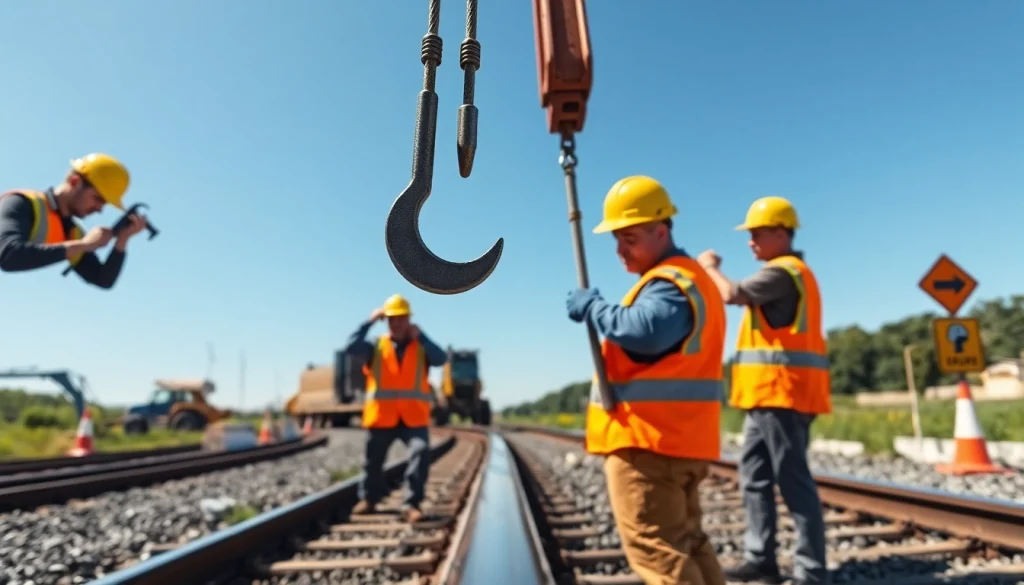
Once the assessment is complete, the next step is executing the necessary repairs. This phase often requires mobilizing emergency repair teams equipped with specialized tools and technology. Depending on the nature of the emergency, crews may need to replace sections of track, repair signals, or address equipment issues. The focus is on executing repairs safely and efficiently to restore operations as quickly as possible while adhering to regulatory standards.
Post-Repair Evaluation
After repairs are completed, a post-repair evaluation is essential to validate the integrity of the work done. This involves additional inspections to ensure that all systems are functioning correctly and safely. It’s a crucial step before resuming normal operations, as it safeguards against future issues arising from the same problem. Moreover, documenting findings and repairs contributes to enhancing future response initiatives and strategies.
Best Practices in Emergency Railroad Repair Services
Utilizing Advanced Technologies
The integration of advanced technologies plays a pivotal role in enhancing the effectiveness of emergency railroad repair services. Utilizing tools such as drones for aerial inspections allows teams to gather data quickly and safely. Moreover, predictive analytics can help in forecasting potential issues before they escalate into emergencies. The application of mobile communication tools aids in real-time coordination amongst teams during the repair process, improving response times significantly.
Ensuring Worker Safety
Worker safety is paramount during emergency repairs. Implementing strict safety protocols, including the use of personal protective equipment (PPE), training sessions on emergency scenarios, and maintaining clear communication channels, are essential for minimizing risks. Additionally, conducting regular safety audits and drills ensures that all personnel are prepared to respond effectively, thereby safeguarding both workers and the public.
Regular Maintenance to Prevent Emergencies
While emergency responses are crucial, proactive maintenance can significantly reduce the frequency of emergency situations. Regular inspections and maintenance schedules should be diligently adhered to, ensuring that any potential weaknesses are identified and rectified before they culminate in emergencies. Implementing state-of-the-art monitoring systems can facilitate real-time data collection on track conditions, enabling operators to monitor and address issues proactively.
Challenges in Implementing Emergency Railroad Repair Services
Resource Allocation
One of the primary challenges faced during emergency repair operations is the effective allocation of resources. It is often necessary to navigate the constraints of manpower, equipment, and financial resources, particularly when multiple incidents occur simultaneously. Developing an organized resource management plan, which includes developing strategic partnerships with local agencies, can streamline resource procurement and deployment during emergencies.
Weather and Environmental Considerations
Weather conditions can significantly impact the execution of emergency railroad repairs. Adverse weather—such as heavy rain, snow, or extreme temperatures—can create hazardous conditions for workers and machinery. Contingency plans should be established to account for such scenarios, including alternative repair sites and scheduling flexibility to ensure safety and efficiency in response efforts.
Communication During Emergencies
Effective communication is essential during emergencies to coordinate swift responses and ensure safety. Challenges often arise due to the chaotic nature of emergencies, leading to miscommunication or delayed information flow. Implementing a structured communication protocol, utilizing mobile devices for real-time updates, and establishing clear roles for team members can enhance coordination and improve overall response efforts.
FAQs About Emergency Railroad Repair Services
What triggers the need for emergency railroad repairs?
Common triggers include track damage, equipment failures, or extreme weather events disturbing train operations.
How quickly can repairs be made?
Response time depends on the severity of the issue, with teams typically mobilizing within hours for urgent repairs.
Are emergency repairs different from regular maintenance?
Yes, emergency repairs are reactive to unexpected events, while regular maintenance is planned to prevent issues.
What safety measures are taken during repairs?
Workers are equipped with safety gear, and work zones are secured with signage and barriers to ensure safety.
How can one prepare for potential railroad emergencies?
Rail companies can implement regular inspections and response training to minimize downtime during emergencies.