
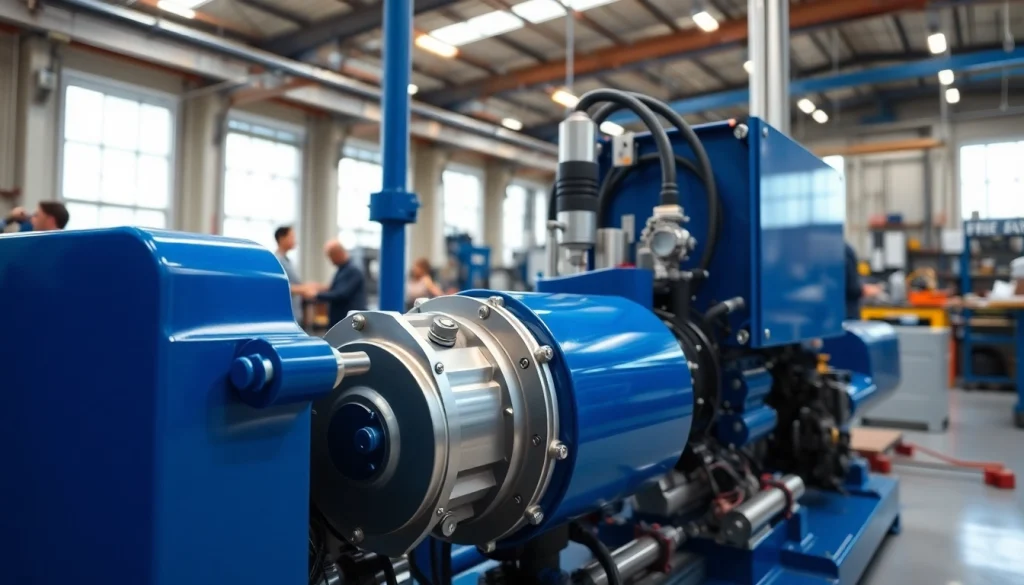
Understanding Industrial Hydraulics Solutions
Industrial hydraulics solutions leverage the power of fluid motion to perform work efficiently in an array of machinery and industrial applications. These systems are central to numerous operations across various sectors, primarily due to their ability to generate immense force and facilitate precise control. By analyzing the fundamentals of hydraulics and the key components involved, industries can better understand how to implement and optimize these solutions. In this journey, we’ll explore the basics of hydraulics systems, delve into their key components, and illustrate their applications across different sectors, enhancing your understanding of industrial hydraulics solutions.
Basics of Hydraulics Systems
Hydraulics revolves around the manipulation of fluids, specifically liquids, to transmit power. It operates on the principle of incompressibility, which states that liquids do not change volume under pressure. This principle allows hydraulic systems to generate significant power with minimal physical effort. Outlining key features such as Pascal’s law, we find that pressure applied to a confined liquid is transmitted undiminished in all directions, forming the fundamental basis for hydraulic operations. This principle enables various applications, from simple hydraulic lifts to complex industrial machines.
Key Components of Hydraulics Solutions
Understanding the components that make up hydraulic systems is crucial for optimizing performance and troubleshooting issues. Here’s an overview of the essential parts:
- Hydraulic Fluid: A specially formulated oil ensures the efficient transfer of power and lubrication of components.
- Pumps: These devices convert mechanical energy into hydraulic energy, pushing fluid through the system.
- Actuators: Components like hydraulic cylinders or motors transform hydraulic energy back into mechanical energy to perform work.
- Valves: Control the flow and pressure of the hydraulic fluid, ensuring precise operation.
- Reservoirs: Store hydraulic fluid and allow for the thermal expansion of the fluid.
Applications Across Industries
Industrial hydraulics solutions find applications across various sectors, including:
- Manufacturing: Hydraulic systems are pivotal in assembly lines, where they power robotic arms and conveyor belts.
- Construction: Heavy machinery like excavators and bulldozers utilize hydraulic systems to operate effectively, handling large loads with precision.
- Agriculture: Tractors and harvesters feature hydraulic components that improve farming efficiency and capability.
- Aerospace: Hydraulic systems control flight surfaces, landing gear, and other essential functions in aircraft.
- Automotive: Hydraulic brakes and steering systems enhance vehicle performance and safety.
Benefits of Industrial Hydraulics Solutions
Enhanced Efficiency in Operations
One of the most significant benefits of industrial hydraulics solutions is their ability to enhance operational efficiency. These systems can transmit high power without the need for complex mechanical systems, making them ideal for applications requiring heavy lifting and precise force control.
The rapid response time of hydraulic systems allows for faster operations, reducing the time required to complete tasks. Their high power-to-weight ratio means that they can be more compact than comparable mechanical drives, saving valuable space in busy industrial environments. Moreover, hydraulic systems provide smooth and controlled movements, essential for tasks that require accuracy, such as in assembly or manufacturing settings.
Cost-Effectiveness Over Time
While the initial investment in industrial hydraulics solutions may seem high, the long-term cost savings are evident. These systems typically require less maintenance compared to mechanical systems, thanks to fewer moving parts, which means lower downtime and repair costs. Furthermore, hydraulic components are designed to be durable and reliable, often outlasting their mechanical counterparts.
Moreover, improvements in efficiency often lead to faster cycle times, allowing companies to produce more within the same time frame, ultimately improving profit margins. With the ability to perform heavy-duty tasks, hydraulic systems can also minimize worker fatigue and improve safety, which can further reduce indirect costs associated with workplace injuries and errors.
Safety Features of Hydraulic Systems
Safety is paramount in industrial operations, and hydraulic systems incorporate various safety features to protect users and equipment. For instance, pressure relief valves prevent over-pressurization, reducing the risk of equipment failure. Other components, such as sensors and monitoring systems, can detect potential malfunctions and alert operators, allowing them to take proactive measures.
Moreover, hydraulic systems often feature fail-safe mechanisms, ensuring that in the event of power loss, machinery will remain in a secure position rather than inadvertently moving or collapsing. This aspect of hydraulic engineering is vital, particularly in industries that involve lifting heavy loads, where safety can be a critical concern.
Challenges in Implementing Industrial Hydraulics Solutions
Common Issues and Solutions
Despite their numerous advantages, implementing industrial hydraulics solutions isn’t without challenges. Users may encounter issues such as leakage, overheating, and component wear. Leakage can lead to loss of efficiency and environmental hazards; thus, regular inspection and maintenance are essential. Effective solutions include ensuring proper seals and using high-quality hydraulic fluids to mitigate wear and buildup.
Overheating can occur if the hydraulic fluid is not adequately cooled or if the system experiences high stress. Installing heat exchangers or improving system design can reduce the risks associated with overheating. Regular assessments ensure that all components function within their optimal parameters, further enhancing system longevity and reliability.
Maintenance Best Practices
Proactive maintenance is crucial for the longevity of hydraulic systems. Regularly scheduled inspections that include checking for leaks, wearing out seals, and fluid color and consistency can prevent unforeseen breakdowns. Hydraulics solutions should have their filters replaced as per the manufacturer’s recommendations, ensuring that fluid cleanliness is maintained.
In addition, keeping the hydraulic system clean and free from contaminants can substantially extend its lifespan. Therefore, training operators in basic maintenance practices will ultimately lead to smoother operations and reduced downtime.
Training Requirements for Technicians
To maximize the effectiveness of hydraulic systems, it’s imperative to invest in training for technicians and operators. Understanding the intricacies of hydraulic systems ensures that potential issues can be identified and addressed quickly. Training programs should cover topics like system operation, safety protocols, troubleshooting techniques, and routine maintenance practices. Such educational initiatives contribute significantly to safer and more efficient workplace environments.
Future Trends in Industrial Hydraulics Solutions
Smart Hydraulic Technology Advancements
As industries move towards the digital age, smart hydraulic technology is at the forefront of innovation. These advancements focus on enhancing system performance through automation and intelligent control systems. For instance, the integration of sensors allows real-time monitoring of hydraulic systems, predicting potential failures and enabling predictive maintenance.
Smart systems can also adjust operational parameters dynamically, optimizing efficiency and performance based on real-time data. The future of hydraulic solutions lies in embracing these technologies to drive productivity and operational excellence.
Sustainability in Hydraulic Solutions
With the growing emphasis on sustainability, hydraulic systems are evolving to become more environmentally friendly. This shift involves the development of biodegradable hydraulic fluids and materials engineered to minimize environmental impact during operation and disposal. Companies are increasingly seeking hydraulic solutions that align with green initiatives, making hydraulic systems that meet these criteria highly desirable.
Adopting sustainable practices not only helps the environment but can also open up new markets and enhance a company’s brand image, making it an attractive prospect for businesses committed to responsible manufacturing.
Integrating IoT in Hydraulic Systems
The Internet of Things (IoT) is revolutionizing how hydraulic systems operate and are maintained. By integrating IoT technologies, operators can collect data on performance metrics, usage patterns, and potential faults. This data can be analyzed to optimize processes, predict failures, and drive improvements, leading to greater efficiency and reduced operational costs.
IoT integration also allows for remote monitoring and control of hydraulic systems, enabling operators to respond to issues more swiftly. As this technology continues to develop, its incorporation into hydraulic solutions will become imperative for industries aiming for future-ready operations.
FAQs on Industrial Hydraulics Solutions
What are industrial hydraulics solutions?
Industrial hydraulics solutions utilize fluid power to perform work in various machinery and industrial applications.
How do I choose the right hydraulic system?
Assess your specific needs, including load requirements and operational environment, to select the suitable hydraulic system.
What maintenance is required for hydraulic systems?
Regularly inspect for leaks, change hydraulic fluid as needed, and keep components clean to ensure optimal performance.
What industries use industrial hydraulics solutions?
Industries such as construction, manufacturing, agriculture, and automotive extensively implement hydraulic systems for various applications.
Are there advancements in hydraulic technology?
Yes, innovations include smart technology integration and eco-friendly options to improve efficiency and performance in hydraulic systems.