
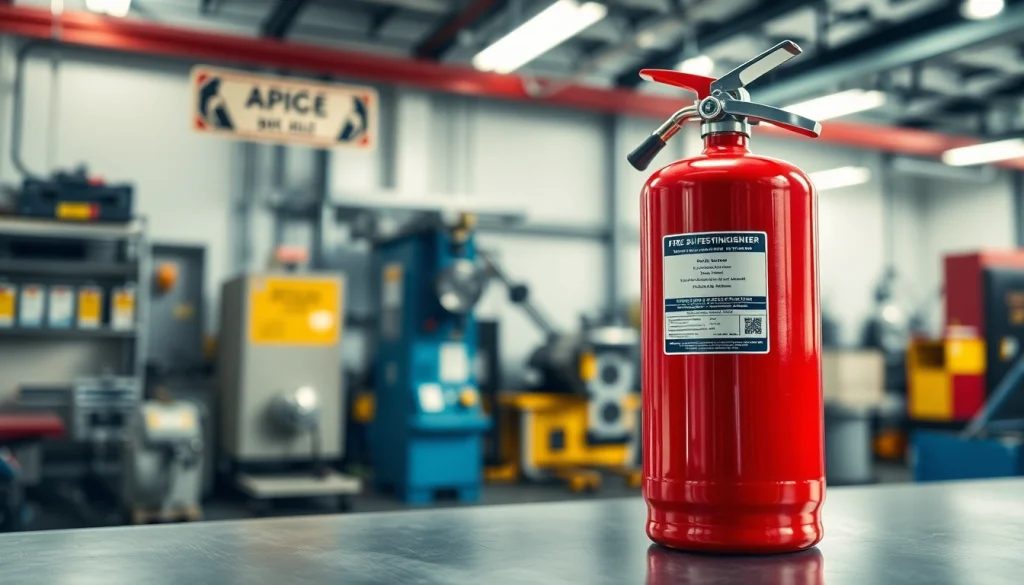
The Role of Electrical Fire Extinguishers
In today’s environment, where electrical devices are pervasive, understanding how to manage fire risks, especially from electrical malfunctions, has never been more critical. An essential tool in these situations is the electrical fire extinguisher. This specialized extinguisher is designed to combat fires caused by electrical equipment, which requires distinctly different handling compared to traditional fire scenarios. This article delves into the importance of electrical fire extinguishers, guiding you through their uses, types, and the critical factors surrounding their deployment.
Why Choose Electrical Fire Extinguishers?
Electrical fires are unique because they arise from energized electrical equipment, potentially carrying severe consequences if mishandled. Unlike regular extinguishers that can exacerbate electrical fires by conducting electricity, electrical fire extinguishers are specifically designed to extinguish fires without posing further risk. Choosing this type of extinguisher ensures that safety is prioritized in environments that house electrical devices such as offices, factories, and data centers.
Common Types and Their Uses
Understanding the common types of electrical fire extinguishers can aid in effective fire prevention and response strategies. The most recognized types include:
- CO2 Extinguishers: Effective for Class B and C fires, these extinguishers work by displacing oxygen and hence suffocating the fire.
- Dry Chemical Extinguishers: These are versatile and can tackle multiple classes of fire, including Class C fires. They use a powder that interrupts the chemical reaction of fire.
- Clean Agent Extinguishers: These extinguishers deploy non-conductive agents that swiftly extinguish fires while causing no collateral damage to sensitive electrical equipment.
Location and Accessibility Considerations
For an electrical fire extinguisher to be effective, its location is paramount. It needs to be situated in high-risk areas where electrical equipment is abundant, such as server rooms, workshops, and near high-voltage electrical panels. Moreover, extinguishers should be easily accessible and visible, with regular checks to ensure there are no obstructions preventing easy access.
Identifying Electrical Fire Risks
Common Causes of Electrical Fires
Electrical fires can originate from numerous sources including:
- Overloaded electrical outlets
- Worn electrical cords that may expose wires
- Faulty wiring or circuit breakers
- Heating of electrical appliances
High-Risk Areas in Workplaces
Identifying high-risk areas is crucial in preventing electrical fires. Locations such as:
- Electrical rooms
- Data centers or IT departments
- Manufacturing areas with machinery
- Commercial kitchens where heavy appliances are used
These zones require heightened vigilance and immediate access to electrical fire extinguishers.
Preventative Measures for Electrical Fires
To mitigate the risk of electrical fires, employers should:
- Conduct regular electrical safety audits
- Ensure equipment is correctly rated for its load
- Implement a strict policy on extension cord usage
- Train staff on fire safety protocols and proper equipment handling
Choosing the Right Electrical Fire Extinguisher
Classification and Ratings Explained
Electrical fire extinguishers are classified to help users understand their effectiveness: Class C extinguishers are specifically for electrical fires, while others may handle multiple classifications. Ensuring that your extinguisher has the appropriate rating can be life-saving.
Understanding Size and Portability
Choosing the right size and portability of your extinguisher is a balancing act. Standard sizes usually range from 1 to 10 pounds, with the larger models offering higher capacity but reduced portability. Assess your environment to determine which size provides an optimal balance of ease of use and fire-fighting effectiveness.
Quality Standards to Look For
Electrical fire extinguishers should meet quality standards such as Underwriters Laboratories (UL) and National Fire Protection Association (NFPA) ratings to ensure reliability. Look for extinguishers that comply with these standards for peace of mind.
How to Use an Electrical Fire Extinguisher
Step-by-Step Usage Instructions
When faced with an electrical fire, follow these critical steps:
- Pull the safety pin from the handle.
- Aim the nozzle at the base of the fire.
- Squeeze the handle to release the extinguishing agent.
- Use a sweeping motion from side to side until the fire is fully extinguished.
Common Mistakes to Avoid
Understanding common pitfalls can increase survival chances in emergency situations. Avoid:
- Using water on electrical fires
- Not ensuring that the extinguisher is rated for electrical fires
- Standing too close to the fire while extinguishing
Training Your Team Effectively
Regular training sessions are crucial. Engage your team with fire drills, teaching them the correct usage of electrical fire extinguishers. Simulations can enhance their readiness and response time in real emergencies.
Maintenance and Inspection of Electrical Fire Extinguishers
Routine Inspection Checklist
Regular inspection of electrical fire extinguishers is vital to ensure functionality. Establish a checklist that includes:
- Checking the pressure gauge
- Ensuring no obstructions block access
- Verifying that inspection tags are up-to-date
When to Replace an Extinguisher
Electrical fire extinguishers should be replaced every 5 to 15 years, depending on the manufacturer’s guidelines. Any sign of physical damage or an expired inspection tag is also valid grounds for immediate replacement.
Regulatory Compliance and Best Practices
Adhering to local regulations regarding fire safety equipment is not optional. Establish a routine that aligns with your local fire marshal’s guidelines, solidifying your commitment to workplace safety.
FAQs
What is the main purpose of an electrical fire extinguisher?
The primary goal is to extinguish fires caused by energized electrical equipment safely without conducting electricity, which could worsen the fire or harm the user.
How often should electrical fire extinguishers be inspected?
Electrical fire extinguishers should undergo inspection monthly, with detailed professional checks at least once a year to ensure compliance and functionality.
Can I use a regular fire extinguisher on electrical fires?
Using a regular fire extinguisher on electrical fires can be dangerous. Always use extinguishers specifically rated for electrical fires, such as Class C or CO2 extinguishers.
What are the signs of an electrical fire?
Signs include unusual smells, frequent circuit breaker trips, flickering lights, overheating outlets, and visible flames or smoke coming from electrical devices.
How can I reduce the risk of electrical fires in the workplace?
Regular audits, proper equipment usage, ongoing employee training, and ensuring that all equipment is well-maintained will significantly mitigate risks.