
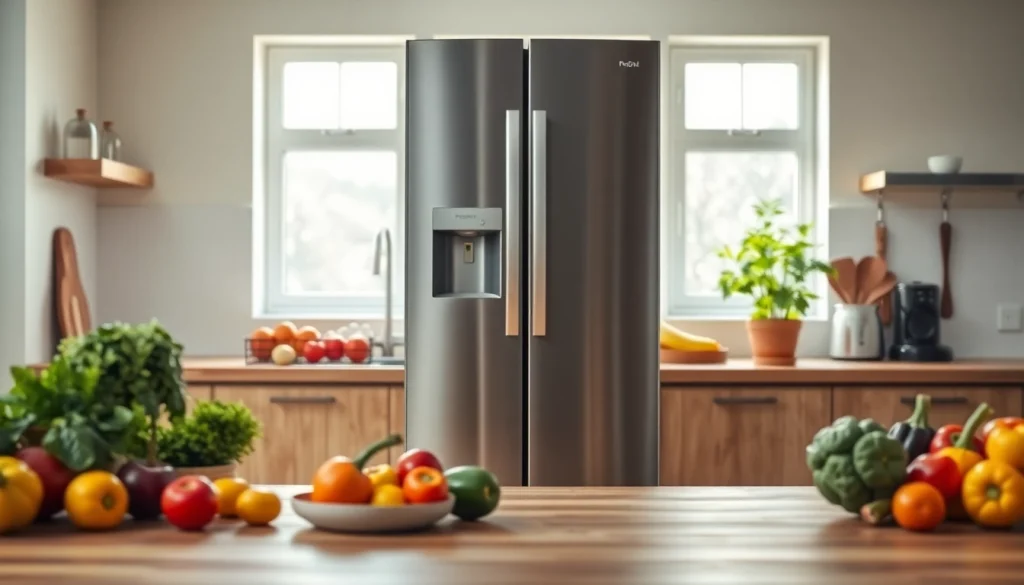
Understanding Refrigerator Types
Choosing the right Refrigerator can feel overwhelming given the diverse options available on the market today. Each type of refrigerator is designed to cater to specific needs and kitchen layouts, ensuring that there’s something for everyone. In this section, we will dive into the various types of refrigerators, their unique features, and why they may be the ideal choice for your home.
Top Freezer Refrigerators
Top freezer refrigerators have been a staple in kitchen appliances for decades, combining simplicity and budget-friendliness. With the freezer compartment located at the top, these models offer a traditional design that many users find convenient.
One of the significant benefits of top freezer refrigerators is their price point. They typically cost less than other configurations, making them a popular choice for first-time buyers or those on a tight budget. Additionally, the layout allows for easy access to fresh food while keeping frozen items out of immediate reach, which helps minimize the frequency of door openings that affect the temperature within.
While their design is straightforward, advancements in technology have led to energy-efficient models that consume less power and help reduce utility bills. Moreover, they often offer ample storage space, and many come with adjustable shelves that allow users to optimize their organization.
Side-by-Side Refrigerators
Side-by-side refrigerators boast a modern design that features the refrigerator and freezer compartments adjacent to each other. This layout provides convenient access to both sections, allowing users to retrieve items without having to open multiple doors. This design is particularly space-efficient, making it ideal for narrow kitchens.
Enhanced organization options are another hallmark of side-by-side models. Many come equipped with in-door ice and water dispensers, adjustable shelves, and extra door bins for added convenience. This can significantly enhance the user experience, particularly in households where quick access to frozen or chilled foods is essential.
However, it’s worth considering that some users may sometimes find the freezer space limited compared to a top freezer option. Thus, the choice comes down to personal preferences regarding how much frozen food storage you require versus how often you need quick access to both fresh and frozen items.
French Door Refrigerators
French door refrigerators are known for their stylish appearance and functionality. With two doors that swing open to reveal the fresh food compartment and a lower freezer drawer, these models offer a perfect blend of design and accessibility.
This type introduces the benefit of wider shelf space, accommodating larger items and making it easy to view everything inside at a glance. Some models come with additional features such as humidity-controlled crispers and dual temperature zones, which help in storing various types of food more effectively.
Moreover, French door refrigerators often come equipped with smart features, allowing users to connect their devices or manage settings through a mobile app. This advancement enhances kitchen management and allows users to monitor their food inventory efficiently.
The downside? French door models can be on the pricier side, so careful consideration of your budget and needs is essential prior to purchase.
Essential Features to Consider
When selecting a refrigerator, understanding the essential features can significantly influence your decision-making process. By evaluating key aspects like energy efficiency, storage solutions, and noise levels, you can choose a refrigerator that not only meets your needs but also improves your kitchen’s functionality.
Energy Efficiency Ratings
Energy efficiency ratings provide insight into how much power different refrigerator models consume. Look for refrigerators that have ENERGY STAR certification, as these units typically use at least 15% less energy than non-certified models. This not only impacts your electricity bills but also contributes to reducing your carbon footprint.
In addition to certification, consider the size and features of the unit. Larger refrigerators or those with added features like ice makers and water dispensers generally consume more energy. Compare the energy usage in kilowatt-hours (kWh) per year between models to make a well-informed decision.
Storage and Organization Solutions
Efficient storage and organization solutions are crucial in any refrigerator. Look for models that offer adjustable shelves, deep bins, and ample door storage, so you can optimize the space according to your needs. Features like pull-out drawers and slide-out shelves can make accessing items easier while keeping everything neat and organized.
Think about your daily needs ahead of time. If you often purchase larger items like pizzas or party platters, ensure the model you choose can accommodate these items without hassle. Also, be mindful of how food items will fit together so that items are easy to find when you need them.
Noise Levels and Compressor Types
Noise levels can significantly influence your kitchen environment, especially if your refrigerator is close to living or dining areas. Modern refrigerators are increasingly designed to operate quietly, utilizing advanced inverter compressors that efficiently manage temperature with minimal noise.
Look for models that specify their noise level in decibels (dB). Models operating below 40 dB are typically considered ‘whisper-quiet’, making them ideal for open concept living spaces. If noise level is a concern, reading reviews can help you gauge the experiences of other users.
Maintaining Your Refrigerator for Longevity
Proper maintenance is crucial for prolonging the life of your refrigerator. Regular care not only ensures optimal performance but also enhances energy efficiency, saving you money over time. Below are critical areas of focus when it comes to refrigerator upkeep.
Regular Cleaning and Care
Cleaning your refrigerator regularly is vital to prevent odors and the buildup of bacteria. At least once a month, remove all items, and clean shelves, door bins, and drawers with a mixture of warm water and mild detergent. Pay special attention to food spills as they can attract pests or mold.
Additionally, don’t forget to clean the condenser coils, typically located at the back or beneath the unit, at least twice a year. Dust and debris can accumulate, causing your refrigerator to work harder and reduce its lifespan.
Temperature Settings and Food Preservation
Setting the correct temperatures is crucial for food safety and preservation. The refrigerator should maintain a temperature of 37°F (3°C) or lower, while the freezer should be at 0°F (-18°C). Use a thermometer to ensure you’re achieving the desired temperatures consistently.
Be mindful of frequent door openings. Each time it is opened, warm air enters, forcing the appliance to work harder to maintain the set temperature, leading to increased wear and tear. Regularly check the seals on the doors to ensure they are intact, as worn seals can significantly affect energy consumption.
Troubleshooting Common Issues
Even with proper maintenance, issues may arise. Common problems include insufficient cooling, unusual noise, and leaking water. If your refrigerator isn’t cooling adequately, check the thermostat setting and ensure the condenser coils are clean. For unusual noises, listen carefully as these can indicate issues with the compressor or fan. Water leaks may be a sign of a clogged defrost drain, which can often be cleared with warm water.
Always refer to the user manual for specific troubleshooting tips tailored to your model. If problems persist, it may be time to consult a certified technician.
Smart Refrigerators: Are They Worth It?
Smart refrigerators are increasingly becoming a popular choice among tech-savvy homeowners. These appliances come equipped with Wi-Fi connectivity and smart features that allow you to monitor their performance and inventory from your smartphone or tablet. However, the question remains: are they worth the investment?
Benefits of Smart Features
The primary benefit of smart features is convenience. Many models offer options such as internal cameras that allow you to view inside the refrigerator from your phone. This is particularly helpful when grocery shopping, enabling you to check what you already have and avoid duplicate purchases. Some models even come with apps that inform you of expiration dates, ensuring you minimize food waste.
Additionally, smart refrigerators often have customizable temperature settings for different compartments, enhancing food preservation. With features like automated alerts for maintenance issues, you can be proactive rather than reactive, extending the lifespan of the appliance.
Connectivity and Integration
Integrating a smart refrigerator into your home network enhances its functionalities further. You can connect it with other smart home devices, allowing for cohesive communication between appliances. For instance, having a smart refrigerator paired with a virtual assistant can enable voice-command functionalities, making your culinary adventures even smoother.
Moreover, some models offer recipe suggestions based on the ingredients you have, making meal planning and preparation more seamless.
Cost vs. Value Analysis
The primary drawback of smart refrigerators is their higher price point. Before deciding, evaluate how often you cook at home, your shopping habits, and whether the features significantly align with your lifestyle needs. For tech enthusiasts who value convenience and organization, smart refrigerators can indeed offer substantial value in the long run.
However, if you find yourself sticking to basic refrigeration needs, investing in a traditional model may be the more economical path.
Tips for Buying a Refrigerator
When it comes to purchasing a refrigerator, being well-informed can greatly enhance your shopping experience. Here are essential tips to guide you through the buying process to ensure you end up with a refrigerator that best fits your lifestyle.
Comparing Prices and Brands
Start by defining your budget and understanding the necessary features you need. Afterward, research and compare prices across multiple retailers. Look for promotions or sales events that can significantly impact the final cost. Remember, the cheapest option may not always represent the best value, so consider the durability and energy efficiency alongside the initial price tag.
Take note of user reviews and ratings for different brands as customer feedback can offer valuable insights into performance and reliability.
Where to Shop and Promotions
The shopping experience can vary dramatically between physical and online stores. If you’re considering a physically present refrigerator, local stores may provide the opportunity to see the model in person, allowing for better assessment of size and features. Conversely, online shopping may offer better deals and greater variety.
Keep an eye on holiday sales, clearance events, and special financing options, which can provide additional savings. Additionally, many retailers also offer trade-in programs that can help offset the cost of your new refrigerator.
Understanding Warranties and Support
Before making a purchase, carefully review warranty terms and customer support options. Understand what parts and labor are covered, and for how long. Knowing the warranty coverage can provide peace of mind while ensuring you are adequately protected should any issues arise after your purchase.
Consider brands that offer reliable customer service with accessible support options, making it easier to resolve any concerns quickly.
FAQs
What is the best refrigerator type for small kitchens?
For small kitchens, top freezer or side-by-side refrigerators are generally the best options due to their compact size and efficient layouts.
How often should I clean my refrigerator?
You should clean your refrigerator approximately once a month to prevent odors and bacteria, with deeper cleanings including the condenser coils every six months.
What temperature should my refrigerator be set to?
The ideal temperature for most refrigerators is 37°F (3°C) for optimal food preservation and safety.
What should I do if my refrigerator is making noise?
If your refrigerator is making unusual noises, check for loose components or an unlevel base. If the noise persists, consult a technician.
Are smart refrigerators worth the cost?
Smart refrigerators can offer enhanced convenience and food management features that some users find worthwhile. Assess your cooking and shopping habits to gauge if the investment suits your lifestyle.