
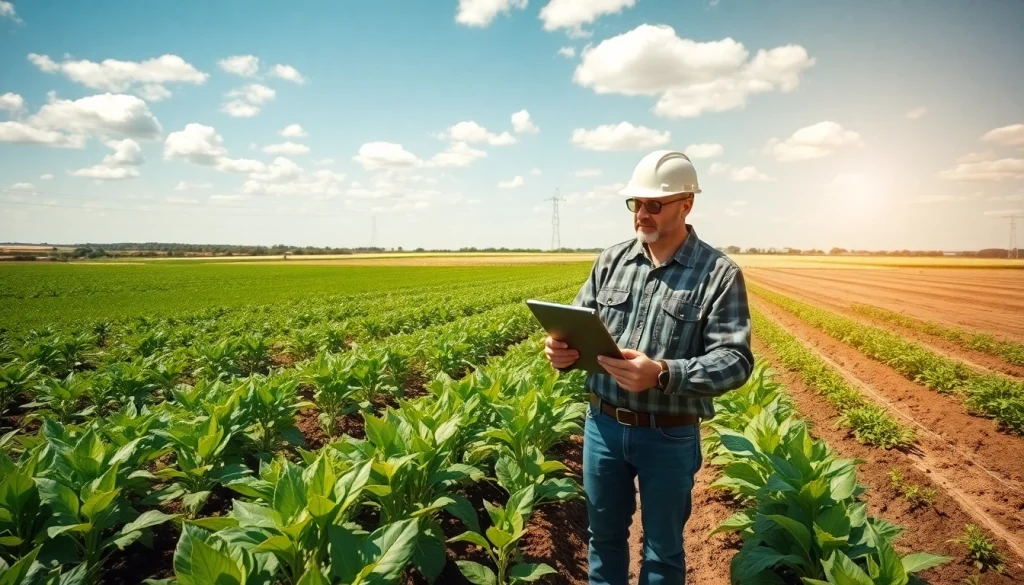
Introduction to Land Irrigation
Definition and Importance of Land Irrigation
Land irrigation is the method of applying water to soil, enhancing the growth of crops and vegetation by providing essential moisture. This process is especially crucial in regions where rainfall is insufficient or erratic. By systematically delivering adequate water to plants, land irrigation significantly boosts agricultural productivity, translates to higher yields, and ensures food security for growing populations. Moreover, effective land irrigation practices are vital for sustainable agriculture, supporting soil health, and maximizing land use efficiency.
In a world increasingly affected by climate change and resource scarcity, understanding land irrigation practices is essential for farmers, policymakers, and stakeholders in the agricultural sector. The significance of land irrigation also extends beyond crop production; it forms the backbone of rural economies and resource management in various regions around the globe.
Types of Land Irrigation Techniques
Land irrigation techniques can be broadly categorized into several types, each suitable for different environmental conditions, water availability, and crop requirements. Below are the primary methods of land irrigation:
- Surface Irrigation: This traditional method involves applying water directly to the soil surface and allowing it to flow over the land by gravity. It includes techniques such as furrow, basin, and flood irrigation.
- Drip Irrigation: A highly efficient system, drip irrigation delivers water directly to the plant roots through a network of tubing and emitters, minimizing water wastage and promoting rapid growth.
- Sprinkler Irrigation: Resembling natural rainfall, this method uses a system of pumps, pipes, and sprinklers to distribute water. It is versatile and can be used on various terrains.
- Subsurface Irrigation: Water is delivered below the soil surface via a system of buried tubes or pipes. This method is particularly beneficial in arid regions and helps prevent evaporation losses.
- Center Pivot Irrigation: Commonly used in large-scale agriculture, this automated system rotates around a central pivot, efficiently covering vast areas while conserving water.
The choice of irrigation technique depends on factors like soil type, crop type, water availability, and financial resources, making it crucial for farmers to choose the right method for their circumstances.
Impact of Land Irrigation on Agriculture
The impact of land irrigation on agriculture is profound, influencing not only crop yield but also the overall sustainability of farming practices. Key impacts include:
- Increased Crop Yields: Irrigation can double or triple crop production compared to rain-fed agriculture, significantly enhancing farmers’ income and food supply.
- Water Conservation: With efficient irrigation methods like drip and subsurface irrigation, farmers can utilize water more efficiently, reducing wastage and conserving this precious resource.
- Soil Health Improvement: Regular watering helps maintain soil moisture and nutrient levels, crucial for healthy plant growth and environmental balance.
- Pest and Weed Management: Certain irrigation methods can help control pests and weeds, reducing the need for chemical inputs while enhancing crop health.
- Adaptation to Climate Variability: As climate patterns shift, reliable irrigation systems enable farmers to adapt to changing rainfall patterns and maintain stable production levels.
Common Challenges in Land Irrigation
Poor Water Management Practices
Water management is pivotal in achieving effective land irrigation. Poor practices, such as over-irrigation, under-irrigation, and misuse of water resources, can lead to negative consequences like waterlogging, salinization, and reduced soil fertility. To combat these issues, farmers must implement precise irrigation schedules, employ soil moisture sensors, and adopt advanced irrigation technologies, ensuring that crops receive optimal water without wastage.
Environmental Factors Affecting Irrigation
Environmental factors, including climate change, soil erosion, and drought, can severely impact land irrigation efforts. Changes in precipitation patterns can disrupt traditional irrigation schedules, necessitating adaptive management strategies. Techniques such as rainwater harvesting, soil conservation, and the use of drought-resistant crops can help mitigate the negative effects of environmental shifts, thus enhancing resilience in irrigation practices.
Economic Constraints for Farmers
Economic factors play a critical role in the implementation of irrigation systems. High initial setup costs for advanced irrigation technologies and ongoing operational expenses can deter farmers from adopting more efficient methods. Moreover, fluctuating market prices for produce can hinder farmers’ willingness to invest in irrigation infrastructure. Access to credit, government subsidies, and community partnerships can enhance the financial viability of implementing effective land irrigation systems.
Best Practices for Efficient Land Irrigation
Utilizing Smart Irrigation Technologies
Smart irrigation technologies, including soil moisture sensors, weather forecasting tools, and automated irrigation systems, can revolutionize land irrigation practices. These technologies allow farmers to monitor soil conditions and weather patterns in real-time, making it possible to apply water only when necessary, thus enhancing efficiency and reducing costs. For instance, integrating IoT devices can provide comprehensive data on soil moisture, allowing for targeted irrigation.
Implementing Sustainable Practices
Sustainability is paramount in land irrigation. Techniques such as rainwater harvesting, mulching, and crop rotation contribute to enhancing soil quality and moisture retention. Additionally, organic farming practices can improve soil health and moisture, making crops more resilient to variable water availability. Farmers are encouraged to adopt integrated approaches that combine crop and water management for sustainable agriculture.
Regular Maintenance of Irrigation Systems
Maintaining irrigation systems is critical for ensuring their longevity and effectiveness. Regular inspections should be scheduled to identify leaks, clogs, or damage to hoses and pipes. Cleaning sediment filters, checking emitters for blockages, and ensuring the correct functioning of pumps and controllers will not only prolong the system’s lifespan but also minimize water waste and increase agricultural productivity.
Case Studies: Successful Land Irrigation Implementation
Innovative Examples from Around the Globe
Numerous innovative irrigation projects worldwide demonstrate the effectiveness of improved land irrigation techniques:
- The Ghana Irrigation Development Authority: This initiative incorporates modern irrigation technologies, resulting in increased yields among local farmers and improving overall food security.
- Israel’s Drip Irrigation Revolution: Israel pioneered drip irrigation technologies that transformed arid land into productive agricultural regions, showcasing the effectiveness of efficient water use.
- India’s National Mission for Sustainable Agriculture: This program promotes sustainable agriculture practices, combining traditional techniques with modern technology to enhance irrigation efficiency and resource conservation.
Lessons Learned from Successful Projects
Several key lessons have been gleaned from successful land irrigation implementations: the importance of community involvement, the need for adaptability in techniques, and the effectiveness of combining traditional knowledge with modern technology. Farmers must be engaged in decision-making processes to ensure that irrigation systems align with their specific needs and local conditions. Continuous education and training are also vital to enhancing the skills of farm workers in these methods.
Future Trends in Land Irrigation
The future of land irrigation looks promising, with trends indicating a shift toward greater efficiency through technological integration. The rise of precision agriculture, utilization of artificial intelligence for predictive analysis, and ongoing innovations in irrigation equipment will shape the future landscape. Moreover, addressing climate change challenges will lead to the development of resilient irrigation schemes that can withstand environmental variability.
FAQs about Land Irrigation
What is land irrigation?
Land irrigation is the process of delivering controlled amounts of water to crops to foster growth, especially in regions lacking adequate rainfall.
Why is land irrigation important?
Land irrigation is vital for increasing agricultural productivity, ensuring food security, and allowing farmers to manage limited water resources efficiently.
What are the common techniques for land irrigation?
Common irrigation techniques include surface irrigation, drip irrigation, sprinkler irrigation, and subsurface irrigation, each with unique advantages.
How does climate affect land irrigation?
Climate impacts irrigation through changing rainfall patterns, temperature variations, and extreme weather events, affecting crop water needs and irrigation strategies.
What are the benefits of smart irrigation technologies?
Smart irrigation technologies provide real-time data for optimized water usage, improving efficiency, reducing costs, and ensuring crops receive adequate moisture.