
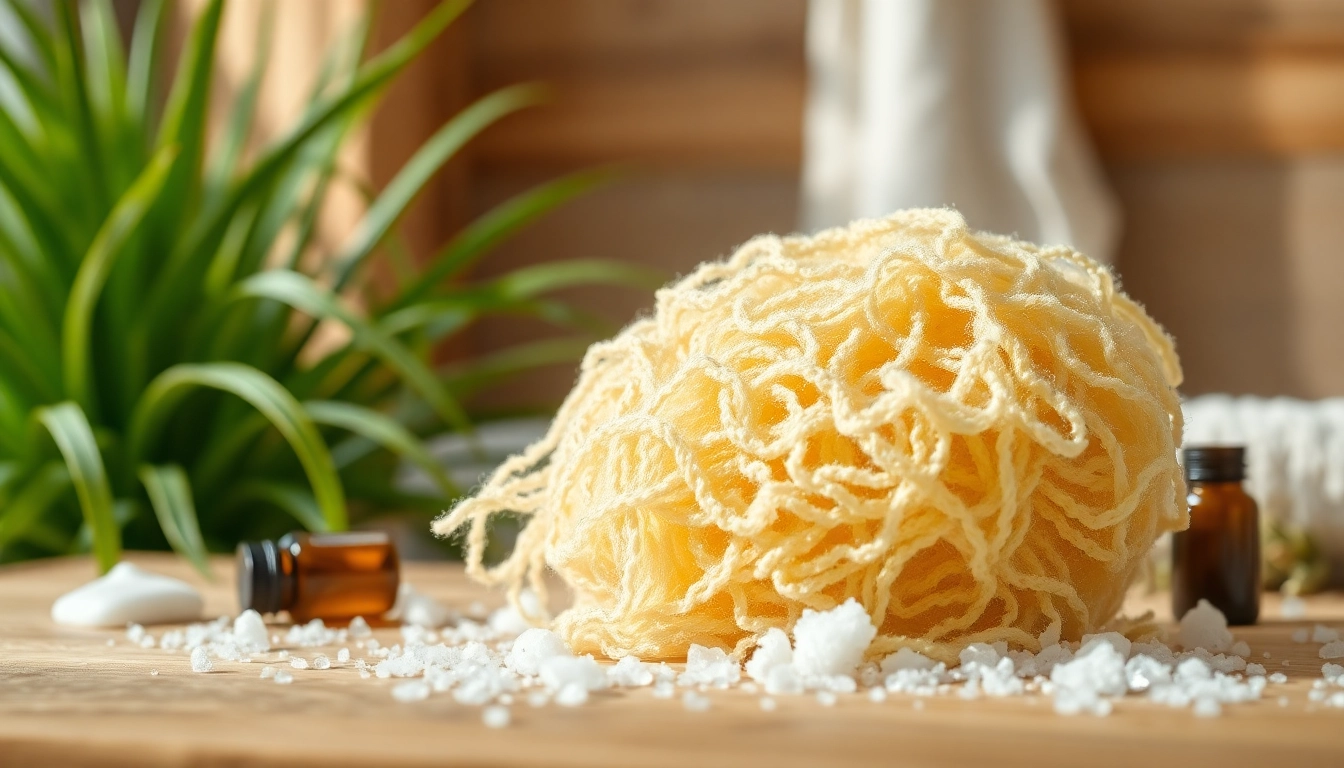
Understanding the Importance of Proper Loofah Care
Loofahs are a popular choice for those seeking to enhance their bathing experience by providing gentle exfoliation and promoting circulation. However, many users overlook the importance of proper loofah care, leading to the accumulation of bacteria, mold, and unpleasant odors. In this comprehensive guide, we delve into the essentials of maintaining your loofah, offering you practical insights on how to clean a loofah, while also discussing the common myths surrounding loofah hygiene and tips to extend its life.
Why Clean Your Loofah?
A loofah’s primary purpose is to clean and exfoliate the skin, making it a crucial hygiene tool in your daily routine. When left uncleaned, loofahs can harbor harmful bacteria and fungi that thrive in moist environments. Cleaning your loofah not only ensures a safe and refreshing scrub but also prevents skin irritations and infections, maintaining your skin’s health.
Signs Your Loofah Needs Cleaning
There are several indicators that your loofah requires immediate cleaning. If you notice:
- A persistent foul odor
- Visible mold or mildew
- Discoloration or a slimy texture
- A decline in exfoliating efficiency
These signs suggest that it’s time to cleanse or even replace your loofah, as using a dirty loofah may compromise your skincare routine.
Common Myths About Loofah Hygiene
There is a range of misconceptions regarding loofah hygiene that can mislead users. Common myths include:
- Loofahs can self-clean: Some believe that rinsing a loofah after use is sufficient. However, regular and thorough cleaning is essential to remove bacteria.
- All loofahs are equally hygienic: Natural loofahs can harbor more bacteria due to their porous structure compared to synthetic alternatives.
- Loofahs can be cleaned with soap alone: Soap may not eliminate all bacteria; alternative cleaning methods are often more effective.
Dispelling these myths is vital for effective loofah maintenance and achieving desired skin health.
Step-by-Step Guide on How to Clean a Loofah
Now that we understand the importance of loofah care, let’s explore a step-by-step guide on how to clean a loofah effectively.
Using Natural Ingredients
Natural ingredients can serve as effective cleaning agents for your loofah. Consider these options:
- Vinegar: An excellent antibacterial agent, vinegar can help eliminate bacteria and odors.
- Baking Soda: It acts as a gentle abrasive agent, assisting in scrubbing away built-up grime.
- Lemon Juice: The natural acidity of lemon can help disinfect and add a refreshing scent.
To use these ingredients, create a paste with baking soda and water or mix vinegar and water for soaking your loofah; this will effectively deep-clean it while maintaining its integrity.
Soaking Methods for Deep Cleaning
Deep cleaning methods involve soaking your loofah to eliminate bacteria and odors fully. Here are a few effective soaking methods:
- Vinegar Soak: Combine equal parts of vinegar and water in a bowl and let your loofah soak for 10-15 minutes. Rinse thoroughly afterward.
- Bleach Solution: If your loofah tolerates it, a mild bleach solution (1 tablespoon of bleach to 1 quart of water) can be used. Soak for about 5 minutes, ensuring thorough rinsing to remove any bleach residue.
- Hot Water Rinse: Simply soaking your loofah in very hot water for 15 minutes can help sanitize it effectively.
Choose the method that aligns with your preferences and ensure you rinse thoroughly to prevent skin irritations from any residues.
Drying and Storing Your Loofah
Proper drying and storage of your loofah are crucial to prevent bacterial growth:
- Make sure to hang your loofah in a dry, ventilated area after each use.
- Do not store it in enclosed spaces like a shower caddy.
- Consider using a dedicated hook or roping it to allow air circulation.
Maintaining dryness is essential in keeping your loofah fresh and prolonging its life.
How to Extend the Lifespan of Your Loofah
In addition to cleaning, there are effective methods to extend the lifespan of your loofah, ensuring it serves you well for longer.
Daily Care Tips
Routine care can significantly impact the durability of your loofah. Consider the following daily care tips:
- Rinse your loofah with clean water after each use to remove soap residue.
- Hang-dry in a well-ventilated space to avoid moisture buildup.
- Avoid sharing your loofah with others to minimize bacterial transfer.
Taking these daily steps can help maintain the quality of your loofah, making it more effective for longer periods.
Recommended Replacement Frequency
Even with rigorous cleaning and care, loofahs eventually wear out. It is advisable to replace your loofah every 3-4 weeks. Signs indicating it’s time for a replacement may include:
- Physical deterioration, such as fraying or tearing
- A persistent odor even after cleaning
- Visible signs of mold or mildew
Regular checks and adherence to a replacement schedule are critical for ensuring proper hygiene.
Choosing the Right Type of Loofah
When it comes to selecting a loofah, you should consider the material, texture, and size. Here are some options:
- Natural Loofahs: Made from the fibrous interior of loofah gourds, these are excellent for exfoliation but do require more care.
- Synthetic Loofahs: Generally easier to clean and quicker to dry, they can be more resistant to mold.
- Mesh or Sponge Loofahs: These offer a different texture and can also be effective, especially for sensitive skin.
Choosing the right loofah that meets your skin’s needs can enhance your bathing routine while keeping hygiene in mind.
Dealing with Odors and Bacteria
Despite your best efforts, you might occasionally notice unwanted odors or bacterial growth on your loofah. Here’s how to handle these issues.
How to Recognize Bad Smells
Often, bad smells stem from bacteria or mold. Recognizing these foul odors early can help you take appropriate cleaning action. If your loofah emits a strong, musty, or rotten scent, it’s a clear sign that it needs cleaning or replacement.
Natural Remedies for Odor Removal
To tackle odors effectively, try the following remedies:
- Vinegar Rinse: A solution of vinegar and water can help neutralize odors, followed by thorough rinsing.
- Baking Soda Paste: Create a paste with water, scrubbing it onto the loofah before rinsing to deodorize.
- Essential Oils: A few drops of tea tree or lavender essential oil can provide antimicrobial properties and a pleasant scent.
These natural solutions can promote freshness and extend the longevity of your loofah.
Prevention Techniques to Avoid Bacterial Growth
Preventing bacteria from taking hold in the first place is the best approach. Consider these techniques:
- Store your loofah in an area where it can dry quickly, avoiding damp conditions.
- Clean it weekly as part of your bathing routine.
- Change it out regularly, especially if it shows signs of wear and tear.
Following these practices can significantly reduce the chances of bacterial growth and prolong the life of your loofah.
FAQs About How to Clean a Loofah
How often should I clean my loofah?
You should ideally clean your loofah once a week. However, if you notice any odors, mold, or wear, clean it immediately.
What natural ingredients are best for cleaning?
Vinegar, baking soda, and lemon juice are effective natural cleaning agents that help eliminate bacteria and odors from your loofah.
Can I clean a loofah in the washing machine?
Yes, many synthetic loofahs can be cleaned in the washing machine. However, ensure to follow care instructions to avoid damage.
How can I tell if my loofah is too old?
If your loofah exhibits signs of fraying, discoloration, persistent odors, or visible mold, it’s time to replace it for optimal hygiene.
Is a loofah better than a washcloth?
Loofahs provide gentle exfoliation and improved circulation compared to washcloths. However, personal preference and skin sensitivity should guide your choice.