Understanding Structural Steel Fabrication
At the core of modern industrial construction lies structural steel fabrication, a process that involves the meticulous crafting of steel components for buildings, bridges, and various infrastructure. The combination of strength, versatility, and cost-effectiveness has made structural steel a favorite among construction engineers and architects alike, bridging the gap between design aspirations and structural integrity.
What is Structural Steel Fabrication?
Structural steel fabrication refers to the process of creating steel components that are used as a skeleton or frame for various structures. This stage of the construction process demands high precision and attention to detail, as the components must fit together seamlessly to ensure the stability and safety of the building. The raw materials start as bulk steel and undergo various procedures, including cutting, welding, bending, and treating, to yield the final product. Typically, structural steel includes beams, columns, and plates, which are essential for supporting the weight of the entire structure.
Key Components of the Process
The fabrication process consists of several key components, including:
- Cutting: The first step involves cutting steel into desired lengths and shapes.
- Welding: Joining steel components using heat and filler material to ensure robust connections.
- Bending: Forming steel into curved shapes to meet architectural requirements.
- Coating: Applying protective coatings to enhance durability and resistance to corrosion.
- Assembling: Combining all fabricated elements into structural frames before transportation to the construction site.
Importance in Construction and Manufacturing
With the backdrop of rapidly evolving construction projects, the importance of structural steel fabrication cannot be understated. The process contributes significantly to:
- Durability: Steel’s inherent strength allows structures to withstand heavy loads and adverse environmental conditions.
- Flexibility: Structural steel can be molded into diverse shapes, accommodating various architectural designs.
- Cost-Effectiveness: Using prefabricated steel components can reduce on-site labor costs and expedite construction timelines.
- Eco-Friendliness: Steel is 100% recyclable, making it a environmentally responsible choice for construction materials.
Techniques in Structural Steel Fabrication
Welding Techniques for Strong Joints
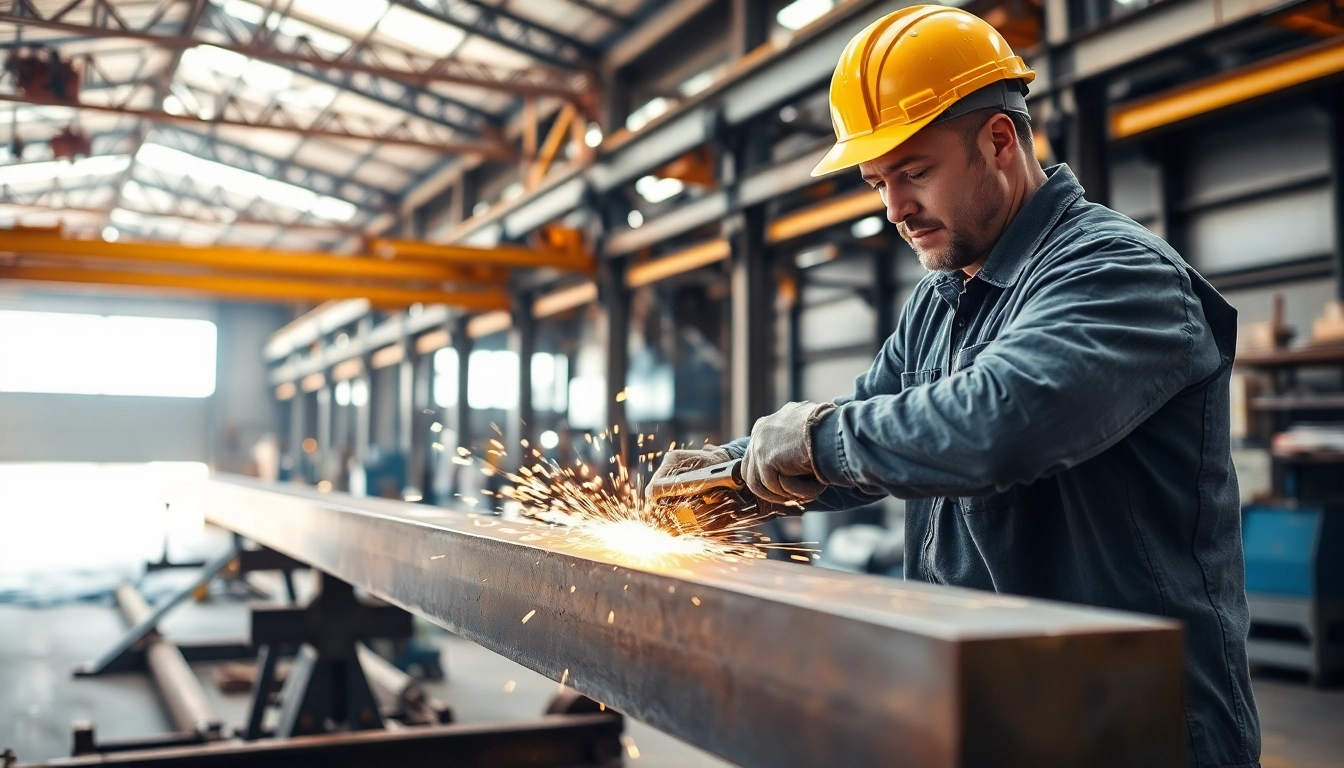
Welding is arguably one of the most critical processes in structural steel fabrication. It involves joining metal parts through localized melting by applying heat, creating a strong bond once cooled. There are several welding techniques employed in the industry, including:
- Arc Welding: This method uses an electric arc to melt the base metals and filler material, producing strong joints.
- MIG Welding: Also known as Gas Metal Arc Welding (GMAW), this technique is widely used for its speed and versatility.
- TIG Welding: Gas Tungsten Arc Welding (GTAW) is preferred for precision tasks, particularly in applications requiring detailed work.
Each method has its specific applications, advantages, and technification required, dictating the choice based on project needs.
Cutting Methods: Plasma vs. Laser
Cutting techniques in structural steel fabrication play pivotal roles in shaping components accurately. Two prevalent methods include:
- Plasma Cutting: This technique utilizes a plasma torch that generates a high-temperature jet of ionized gas, effectively cutting through various thicknesses of steel. Plasma cutting is fast and suitable for thick metals but may not offer the precision required for detailed cuts.
- Laser Cutting: A more modern approach, laser cutting utilizes high-powered lasers to achieve exceptional cutting precision and minimal material waste. Although it can be more expensive, the accuracy it provides can outweigh the costs for specialized applications.
Bending and Forming Techniques Explained
Bending and forming are techniques used to manipulate steel into desired shapes without cutting it. Common methods include:
- Press Braking: A mechanical process that bends steel sheets into various angles and shapes using a die.
- Roll Bending: Involves passing steel through rollers to achieve curved configurations, typically used for making circular arcs.
- Hydraulic Press Forming: This method uses hydraulic power to apply immense forces for complex shapes and large-scale bending tasks.
Essential Tools for Structural Steel Fabrication
Overview of Must-Have Equipment
Successful structural steel fabrication relies heavily on various equipment and tools. Essential tools include:
- Cutting Equipment: Such as saws or plasma cutters for accurately cutting steel.
- Welding Equipment: Including welding machines, shields, and protective gear to ensure safe welding practices.
- Forming Tools: Rollers and presses for bending steel to required specifications.
- Measuring Instruments: Precision measuring tools like calipers, squares, and levels to ensure proper dimensions during fabrication.
Innovative Technology in Steel Fabrication
In recent years, technology has revolutionized structural steel fabrication. Advanced technologies, such as:
- Computer Numerical Control (CNC): Automating cutting and bending processes with precision to reduce human error.
- Building Information Modeling (BIM): Leveraging 3D modeling to aid in design accuracy and collaboration among teams.
- Augmented Reality (AR): Improving assembly processes by overlaying digital images onto physical components to guide workers.
Safety Equipment and Best Practices
Safety is paramount in the fabrication process. Essential safety equipment includes:
- Personal Protective Equipment (PPE): Helmets, gloves, goggles, and safety shoes to protect workers from hazards.
- Ventilation Systems: To mitigate harmful fumes and gases produced during welding and cutting.
- Fire Safety Equipment: Fire extinguishers and training to address potential fire hazards.
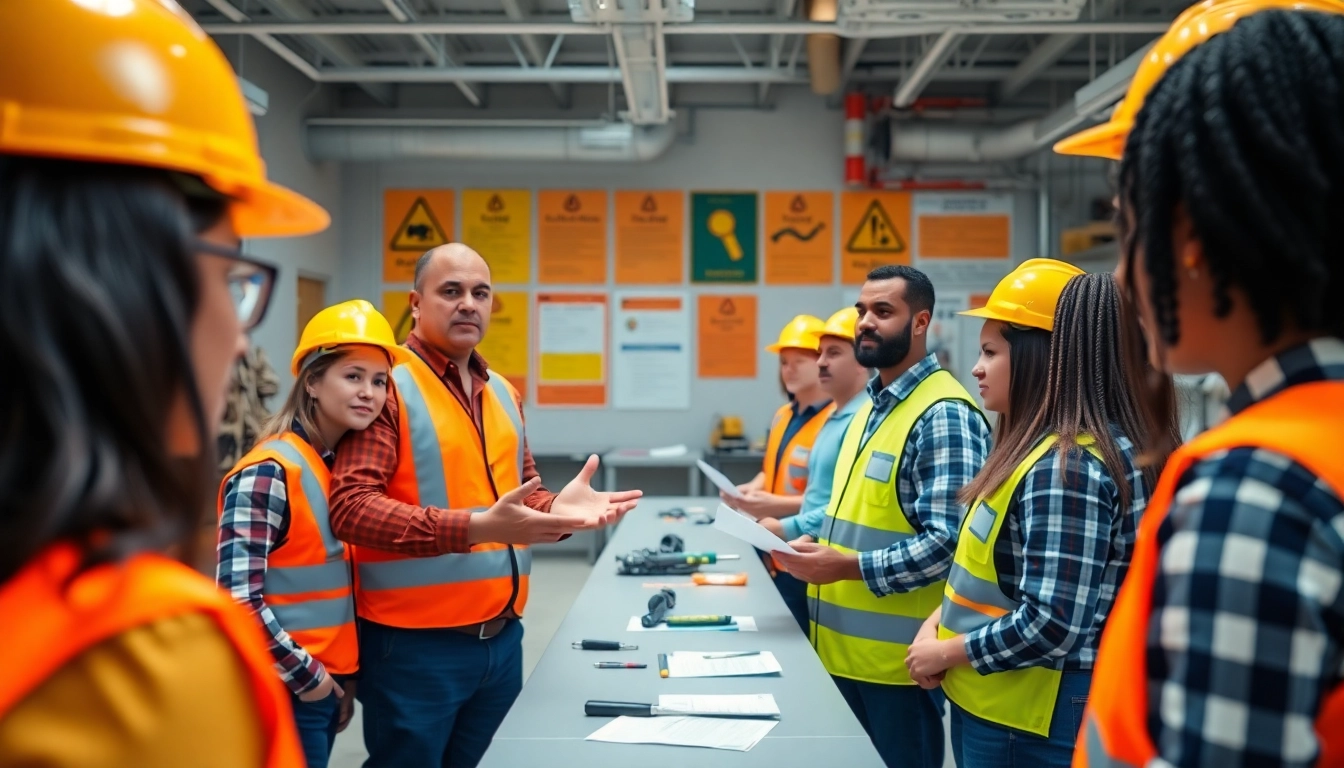
Best practices include regular training, safety drills, and maintaining an organized workspace to reduce the risk of accidents.
Challenges in Structural Steel Fabrication
Common Issues Faced by Fabricators
Despite the advancements in techniques and technology, several challenges persist in structural steel fabrication. Common issues include:
- Material Deficiencies: Poor quality raw materials can lead to compromised structural integrity.
- Labor Skills Gap: A shortage of skilled workers can impede quality and efficiency in production.
- Changing Regulations: Keeping up with evolving building codes and compliance requirements can be daunting for fabricators.
Strategies for Quality Control
Implementing stringent quality control measures is vital in addressing challenges. Strategies include:
- Regular Training: Ongoing staff training to keep skills updated and reduce errors.
- Inspection Protocols: Establishing thorough inspection routines throughout the fabrication process to catch defects early.
- Standard Operating Procedures (SOPs): Developing detailed SOPs to streamline processes and ensure consistency.
Meeting Compliance and Safety Standards
Fabricators must adhere to numerous regulations to ensure safety and quality standards, including:
- OSHA Regulations: Compliance with Occupational Safety and Health Administration standards for worker safety.
- ISO Certifications: Achieving relevant International Organization for Standardization certifications to guarantee consistency in processes.
- Building Codes: Each locality may have specific building codes guiding materials and designs that must be followed.
Future Trends in Structural Steel Fabrication
Effects of Automation and Robotics
Emerging technologies are reshaping the landscape of structural steel fabrication, particularly in the realm of automation and robotics. The integration of robotics allows for enhanced efficiency and precision in fabrication tasks. Automated processes, such as robotic welding and laser cutting, can significantly reduce labor costs and lead times while maintaining high-quality standards.
Sustainable Practices in Fabrication
As environmental concerns gain prominence, the steel fabrication industry is increasingly adopting sustainable practices:
- Recycling Steel: Utilizing recycled steel materials to minimize waste and reduce the environmental footprint.
- Energy Efficiency: Implementing energy-efficient processes and machinery to conserve energy during fabrication.
- Green Certifications: Pursuing green building certifications such as LEED (Leadership in Energy and Environmental Design) for projects.
Emerging Materials and Technologies
Fabrication processes are also witnessing the emergence of new materials, including high-strength steels and composite materials, which offer improved performance characteristics. Furthermore, advancements in additive manufacturing (3D printing) could enable highly customized designs with reduced material waste, showcasing a promising future for structural steel fabrication.