Understanding the Mexican Real Estate Market
Overview of Property Options
The Mexican real estate market offers a diverse array of property options suited to various tastes, lifestyles, and budgets. From bustling urban environments to tranquil beachfront properties, the range of choices is vast.
Typical property types include residential homes, condominiums, and vacation rentals. Each type comes with its own advantages and considerations. For instance, condos are popular among expats for their security features and community amenities, while standalone homes may provide more space and privacy for families relocating permanently.
Buying property in Mexico as an Americancan also include investment properties, where individuals look to generate income through rentals, often resulting in a robust vacation rental market in tourist-heavy areas.
Pricing Trends and What to Expect
Pricing trends in Mexican real estate are influenced by several factors, including location, property type, and market demand. Coastal areas, for instance, tend to see higher prices due to their desirability among both locals and foreign buyers.
In recent years, the market has seen a general increase in property values, particularly in sought-after regions like the Riviera Maya, Puerto Vallarta, and Mexico City. However, fluctuations can occur due to changes in tourism rates, economic conditions, and changes in regulations affecting foreign ownership.
It is advisable for potential buyers to monitor these trends closely and consult with local experts to gauge realistic pricing and investment value in the regions of interest.
Key Legal Considerations for Americans
Engaging in the Mexican property market as an American involves navigating distinct legal considerations. The Mexican Constitution prohibits foreign ownership of land within 50 km of the coast or 100 km of international borders. However, Americans can legally acquire property in these restricted zones by utilizing a bank trust, known as a fideicomiso.
It's vital to partner with a reputable attorney who specializes in real estate to ensure compliance with local laws and protect your rights as a foreign buyer. This discussion should include property title checks, understanding easements, and the implications of zoning laws.
Choosing the Right Location in Mexico
Popular Destinations for American Buyers
When considering where to buy property in Mexico, several locations have gained popularity among American buyers. Each destination has its unique charm, culture, and benefits.
- Puerto Vallarta: Known for its vibrant arts scene and beautiful beaches, this destination is a favorite among retirees and vacationers.
- Tulum: This eco-chic destination attracts a younger demographic, drawn to its natural beauty and bohemian vibe.
- Cabo San Lucas: Famous for its luxury properties and nightlife, Cabo is often desirable for both investment and personal use.
- Playa del Carmen: Offering a mix of local culture and modern conveniences, Playa del Carmen is suitable for families and singles alike.
- Mexico City: The bustling capital presents opportunities for both residential living and investment in urban properties.
Factors to Consider When Selecting a Location
Choosing the right location involves weighing factors such as accessibility, safety, local amenities, and climate. It’s essential to research local healthcare services, school options (if applicable), recreational facilities, and community engagement opportunities.
Additionally, the socio-economic environment should be taken into account. Understanding the local economy's health, employment opportunities, and cultural events can enhance the buying decision. Each of these factors contributes to a desirable living experience and can affect property value over time.
Local Culture and Community Insights
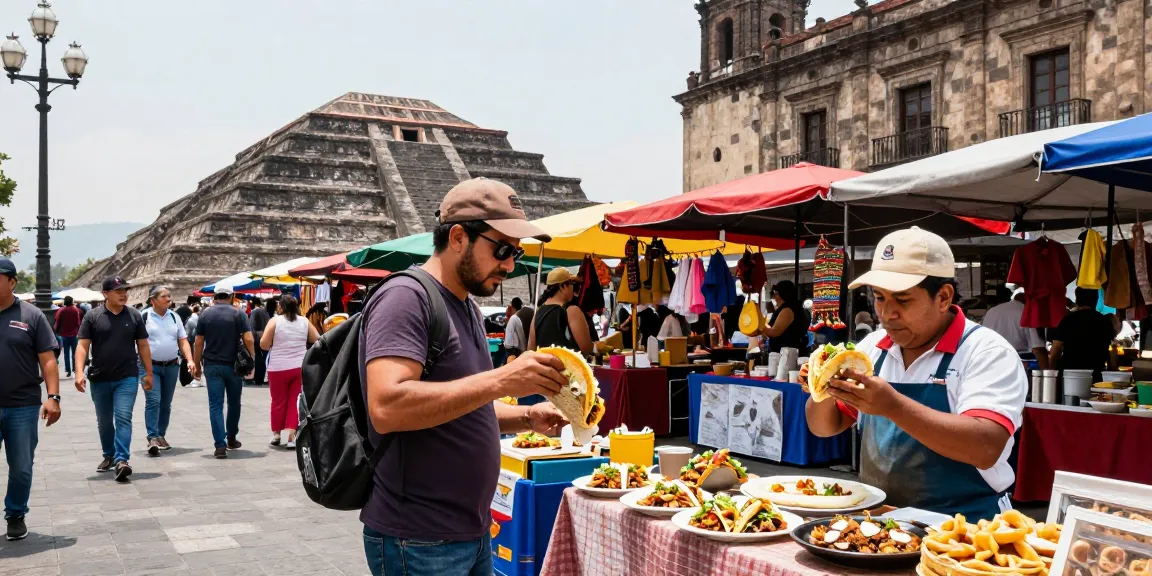
Beyond physical attributes, cultural integration is a critical aspect of property ownership in Mexico. Understanding local customs, traditions, and even the language can provide deeper engagement with the community. Americans buying property might find that participating in local festivities, markets, and events enhances their experience.
Establishing connections within the local community can also provide valuable insights into living conditions and investment opportunities. Many Americans find that building friendships leads to better adaptation and satisfaction in their new environment.
Navigating the Buying Process
Steps to Purchase Property in Mexico
The process of purchasing property in Mexico involves several key steps, each crucial for a successful transaction. Begin by defining your budget and desired property type. Once that's established, engage a qualified real estate agent familiar with the area.
Next, conduct a thorough due diligence process. This involves verifying the property title, inspecting the property, and understanding any limitations or obligations tied to it. Once these aspects are satisfied, a purchase agreement is drafted, and earnest money is typically deposited.
Following this, the title is transferred, and the final payment is made, along with any taxes or fees. Engaging a notary public is a necessary step, as they ensure legality and proper documentation throughout the transaction.
Choosing Between New Builds and Resales
Deciding between purchasing a new build versus a resale property has considerable implications. New builds offer modern designs, warranties, and the potential for customization. However, it is essential to research the developer's reputation and track record.
On the other hand, resale properties come with the charm of established neighborhoods and often at a lower entry price. Such homes may also provide an instant sense of community, as they are typically situated among long-term residents.
Buyers should weigh the pros and cons of both options based on their lifestyle preferences, budget constraints, and investment objectives.
Working with Local Real Estate Agents
Engaging with local real estate agents can significantly streamline the buying process. Skilled agents possess intimate knowledge of the market, assist in negotiating prices, and can help navigate legal complexities involved in property transactions.
When choosing a real estate agent, look for one who specializes in working with foreign buyers and has a strong understanding of the specific market you are considering. A trustworthy agent will also provide insights into local trends and help you identify properties that meet your criteria.
Financing Your Property Purchase
Understanding Your Financing Options
Financing options for purchasing property in Mexico differ from those available in the United States. While cash purchases are common, Americans can also explore mortgage availability through both Mexican and U.S. lenders, although obtaining a mortgage locally may require an understanding of specific regulations.
Local banks often offer financing, but it may come with stricter requirements such as higher down payments and loan-to-value ratios. Additionally, using a mortgage broker can help simplify the process and identify financing solutions tailored to your needs.
Currency and Exchange Rate Considerations
The fluctuating exchange rates between the U.S. dollar and the Mexican peso can impact your property purchase. It’s advisable to monitor exchange rates and consider locking in rates or transacting during favorable periods.
Some buyers opt for dollar-denominated mortgages, which can mitigate exchange rate risks. Understanding the implications of currency fluctuations can assist in better budgeting and financial planning for your investment.
Budgeting for Additional Costs
When budgeting for property ownership in Mexico, account for additional costs such as closing fees, maintenance, property taxes, and homeowners' association fees if applicable. These expenses can add up and should not be overlooked, as miscalculating your budget could lead to unforeseen financial stress.
It's important to have realistic expectations regarding property upkeep and possible renovations, particularly if you are considering an older home. Planning ahead for these costs will help ensure your investment is sustainable and enjoyable over time.
Maintaining Your Property and Community Engagement
Tips for Managing Your Investment
Once you’ve successfully purchased your property, effective management is crucial. Regular maintenance checks are essential to preserving your investment. This may involve hiring local service providers for landscaping, plumbing, or electrical work as needed.
For those who plan to rent out their property, establish a solid rental management strategy, including thorough tenant screening, maintenance schedules, and clear communication with tenants. This approach can ensure a positive rental experience and secure your income stream.
Getting Involved in the Local Community
Active involvement in the local community can enhance your experience as an American property owner in Mexico. Attend community events, volunteer, and support local businesses. This engagement not only builds connections but also helps in understanding the cultural nuances of your new home.
Joining local clubs or groups can provide opportunities to meet new people and engage more deeply with the community. Whether it's participating in environmental initiatives or local sports teams, being socially active can enrich your life in Mexico.
Understanding Property Taxes and Regulations
Lastly, understanding property tax obligations and local regulations is a must for any American buying property in Mexico. Each state has its tax laws that can vary significantly. It's essential to stay informed about any changes in property taxes over time.
Working closely with your local attorney or accountant can provide clarity regarding tax responsibilities and ensure you remain compliant with all regulations. This proactive measure will help safeguard your investment and enhance your long-term experience in your new community.