
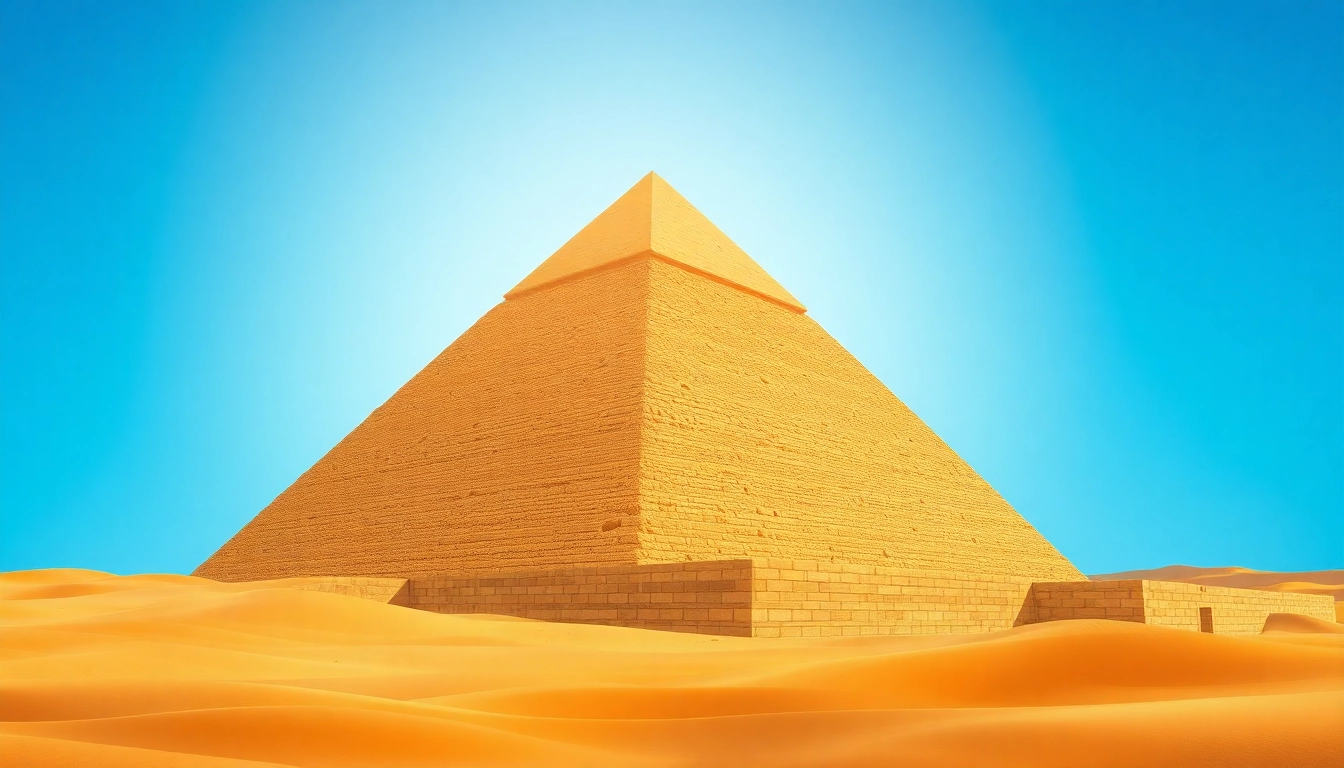
Introduction to the Pyramids and Their Significance
For millennia, the structures known as pyramids have captivated the imagination and curiosity of people around the globe. These monumental edifices, particularly those in Egypt, are not merely architectural wonders; they are rich in history, symbolism, and cultural significance. The Egyptian pyramids represent a unique blend of artistry, engineering prowess, and profound spiritual beliefs. Understanding these ancient structures offers insights into the civilization that built them and the myriad ways they have shaped perceptions of ancient history. For more in-depth insights, you may also explore https://piraminds.com/.
Understanding Pyramid Structure and Design
The pyramids, characterized by their triangular base and sloping sides, have a structural design that is as functional as it is aesthetically pleasing. Unlike traditional buildings, a pyramid's shape allows for better weight distribution, a feature that is crucial given the massive stone blocks used during construction. The earliest pyramids, like the Step Pyramid of Djoser, exhibit a series of six stacked mastabas, while later constructions, such as the Great Pyramid of Giza, adopted the true pyramid form. The use of geometric principles in their design exhibits a sophisticated understanding of architecture that still intrigues scholars today.
The Role of Pyramids in Ancient Egypt
Pyramids served multiple purposes within ancient Egyptian society. Most notably, they were constructed as burial sites for pharaohs, intended to secure their passage to the afterlife. Each pyramid formed part of a larger complex that included temples and other structures which celebrated the divine power of the pharaoh. The faith in the afterlife was deeply intertwined with pyramid construction, as these structures symbolized a connection between Earth and the heavens, allowing deceased rulers to ascend and join the gods.
Common Misconceptions About the Pyramids
Despite the wealth of knowledge available, numerous misconceptions persist about pyramids. A common myth is that all pyramids were built by slaves. In reality, evidence suggests that skilled laborers, who honored their pharaohs, constructed these monuments, often receiving food and other rewards for their work. Another misconception is the idea that all pyramids are identical. Each pyramid reflects the personality, cultural influences, and turbulent historical contexts of its time, significantly varying in size, design, and orientation.
The Great Pyramid: Historical Context and Construction
Among the myriad pyramids built in Egypt, the Great Pyramid of Giza stands as an unrivaled marvel. Believed to have been constructed during the Fourth Dynasty for Pharaoh Khufu, it exemplifies the zenith of pyramid construction and the grandeur of ancient Egypt.
Timeline of the Great Pyramid's Construction
The construction of the Great Pyramid is estimated to have taken around twenty years, conveniently positioned within Khufu's reign. This timeline reflects not only the extraordinary techniques employed but also the level of organization within the workforce. From the quarrying of limestone and granite to the precision required in the pyramid's alignment, each phase of the project involved meticulous planning, execution, and resource management.
Materials Used in Building the Pyramids
The choice of materials is pivotal in understanding the pyramids' longevity. The primary material used was limestone, quarried locally and transported to the construction site. Some outer casing stones were made of Tura limestone, prized for its brilliant white hue, reflecting sunlight and creating a stunning visual effect. Red granite from Aswan, utilized in the internal chambers, showcased the engineering ingenuity that enabled the ancient Egyptians to manipulate heavy materials with precision.
Architectural Innovations of the Great Pyramid
The Great Pyramid features several architectural innovations that set it apart from earlier pyramids. Its precise orientation to the cardinal points demonstrates advanced astronomical knowledge. The use of corbel arches in the king's chamber reveals unique engineering solutions, allowing the enormous weight of the stone structure to be effectively distributed, thereby preventing structural collapse over millennia.
Symbolism Behind Pyramids in Ancient Egyptian Culture
To ancient Egyptians, pyramids were more than mere tombs; they embodied deep religious and cultural meanings.
Pyramids as Religious Structures
In addition to being burial sites, pyramids served a fundamental role in the religious practices of ancient Egypt. The pyramid shape itself symbolized the rays of the sun, illuminating the path for the deceased ruler's soul to ascend into heaven. The funerary rituals performed in these grand structures were essential to ensuring the pharaoh's immortality, showcasing the intertwining nature of architecture and spirituality in Egyptian society.
Symbolic Meaning of the Pyramid Shape
The geometric form of the pyramid carries significant meaning within Egyptian cosmology. As a symbol of strength and endurance, the pyramid represented stability and the eternal nature of the soul. The sloping sides were understood to facilitate the pharaoh's ascent to the heavens, aligning with the stars, and emphasizing the relationship between earth and the divine.
Pyramid Texts and Their Importance
Pyramid Texts, inscribed within the burial chambers, constitute some of the oldest religious writings in the world. These spells and incantations served to protect the pharaoh and guide him through the afterlife, making them indispensable components of the burial process. The existence of these texts reveals the complexity of ancient Egyptian beliefs about death and the afterlife, providing a direct link to how they viewed their existence beyond the mortal realm.
Modern-Day Discoveries and Research on Pyramids
As interest in the pyramids endures, ongoing research continues to yield astounding discoveries that challenge previously held beliefs about these ancient structures.
Latest Archaeological Findings
Recent explorations have unearthed new chambers within existing pyramids, revealing a wealth of artifacts that enhance our understanding of ancient burial customs. Such findings provide fresh insights into the daily lives of workers and the logistical feats achieved during pyramid construction. Discovery of the Lost Golden City, in proximity to the Valley of the Kings, has further enriched our comprehension of Ancient Egyptian society.
Technological Advances in Pyramid Research
Technological advancements have revolutionized our approach to pyramid research. Techniques such as satellite imagery, 3D scanning, and drone technology allow for comprehensive mapping and examination of sites that were previously inaccessible. These innovations enhance our understanding of pyramids' locations, dimensions, and surrounding archaeological contexts, revealing patterns that can signify broader societal trends.
Preservation Efforts and Challenges
As the world continues to treasure the pyramids, preservation efforts remain critical. Environmental factors and tourism pose significant threats to these ancient structures. Initiatives are focused on maintaining structural integrity while balancing the need for public access. Emergency restoration processes and educational programs promote the importance of protecting these heritage sites for future generations.
Visiting the Pyramids: What to Expect
For those embarking on a journey to see the pyramids firsthand, understanding what to expect can enhance the experience dramatically.
Top Tips for Travelers to the Pyramids
When visiting the pyramids, it's important to plan ahead. Arrive early to avoid the crowds and enjoy the serene beauty of the structures against the soft morning light. Make sure to wear comfortable clothing and sturdy footwear, as exploring the sites often requires significant walking, sometimes on uneven terrain. Additionally, it’s advisable to hire a local guide to gain deeper historical insights and enrich your experience.
Exploring the Giza Plateau
The Giza Plateau is home to three principal pyramids: Khufu, Khafre, and Menkaure. Each has its unique characteristics and mysteries waiting to be uncovered. Spend time exploring the surrounding complex, including the Sphinx and associated mortuary temples, to fully appreciate the grandeur of the site. Views from various vantage points offer spectacular photo opportunities that capture the essence of this ancient wonder.
Guided Tours and Resources at https://piraminds.com/
Various guided tours are available for visitors, offering a structured approach to explore the pyramids. Many tours provide historical context, bringing the stories of the ancient Egyptians to life. For more detailed insights, resources can be found online at https://piraminds.com/, ensuring travelers have access to the best information and tips to maximize their visit.
Frequently Asked Questions
What were the pyramids used for?
The pyramids primarily served as burial sites for pharaohs, aiding their journey to the afterlife and symbolizing their divine status in ancient Egyptian society.
How many pyramids are there in Egypt?
Egypt is home to at least 138 identified pyramids, with the Giza Plateau housing the three most famous ones: Khufu, Khafre, and Menkaure.
What materials were used to build the pyramids?
Most pyramids were constructed using limestone and granite. Limestone was quarried locally, while granite often came from Aswan, about 800 kilometers away.
Who built the pyramids?
The pyramids were constructed by skilled laborers, not slaves, who were well-organized, nourished, and dedicated to the task, often working on a rotating basis.
What innovations did the Great Pyramid exhibit?
The Great Pyramid showcased several architectural innovations, including precise alignment with the cardinal points and the use of corbel arches in its internal chambers for enhanced stability.