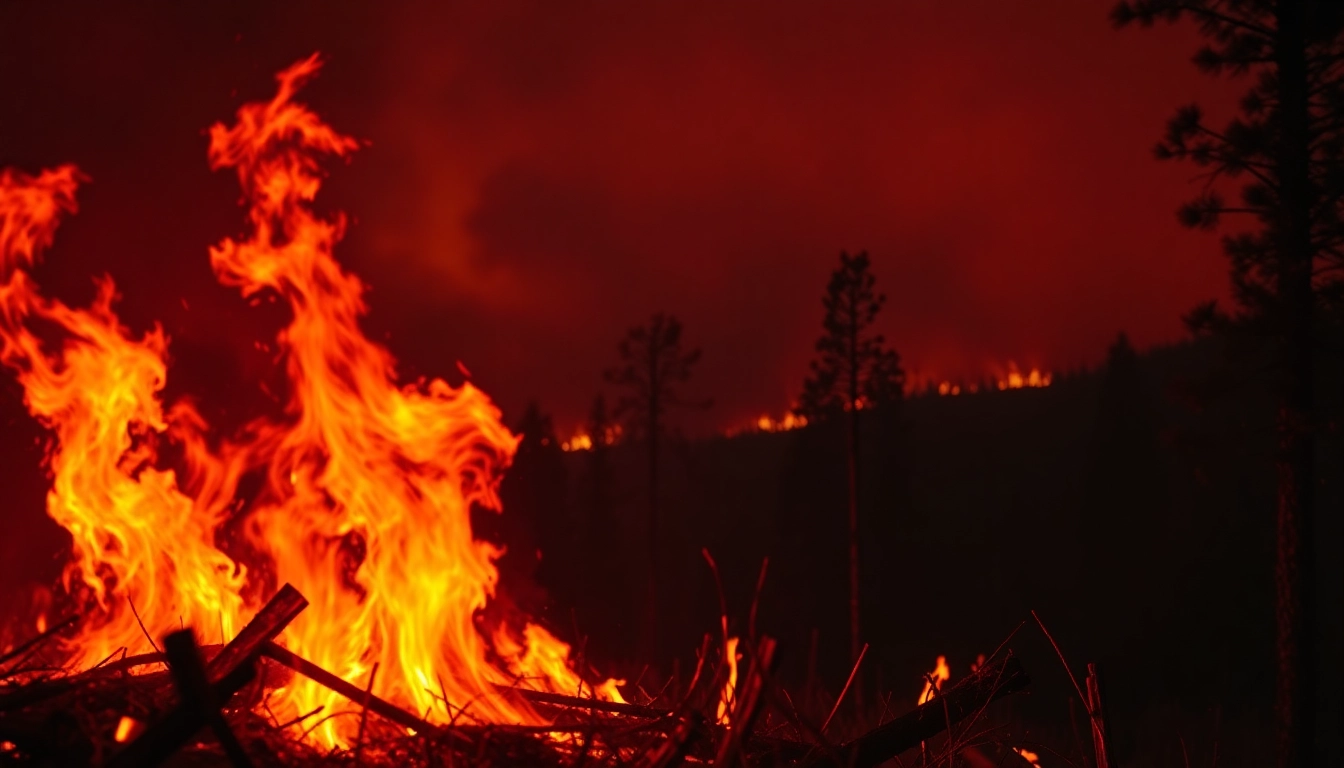
Introduction to Wildfire Events
Wildfire events have become a pressing concern globally, affecting ecosystems, air quality, and human health. These uncontrolled fires can occur due to natural causes, such as lightning, or human actions like campfires left unattended. With the increase in temperature and drought conditions linked to climate change, the frequency and intensity of these events are escalating. Understanding wildfire events is essential for developing effective prevention, response, and recovery strategies. A comprehensive understanding can be found through Wildfire events resources that provide insights into management and mitigation techniques.
What are Wildfire Events?
Wildfire events refer to uncontrolled fires that spread rapidly, consuming vegetation, flora, and fauna across various landscapes. These fires can develop in forests, grasslands, and even urban areas under certain conditions. Wildfires can have devastating effects, leading to loss of life, destruction of property, and alteration of landscapes.
The Causes Behind Wildfire Events
There are multiple factors contributing to the occurrence of wildfire events:
- Natural Causes: Lightning strikes are the most common natural cause of wildfires. When certain conditions are met, dry lightning followed by a drought can lead to substantial fires.
- Human Activities: Most wildfires are ignited by human actions, including campfires, discarded cigarettes, and arson.
- Climate Factors: Increased temperatures and prolonged dry spells result in lower humidity levels. These conditions create an environment conducive to wildfires.
- Vegetation Type: Forests with a dense concentration of dry material like leaves and logs provide ample fuel for fires.
Recognizing Patterns of Wildfire Events
Identifying patterns in wildfire events can improve management efforts. Historical data indicates that specific regions are more prone to wildfires based on vegetation type, proximity to urban areas, and climate conditions. Additionally, the time of year often shows trends, as most wildfires occur during dry seasons when vegetation is parched and weather conditions are favorable.
The Environmental Impact of Wildfire Events
The consequences of wildfire events extend far beyond immediate destruction. They have profound implications for the environment, ecosystems, and the health of communities.
Effects on Ecosystems
Wildfire events can dramatically alter ecosystems:
- Flora and Fauna: The immediate effects of wildfires can decimate habitats, forcing animals to flee or perish. However, some ecosystems benefit, as certain plant species depend on fire for regeneration.
- Biodiversity Loss: Recurrent wildfires can lead to a decline in biodiversity, particularly affecting species that are unable to adapt to changing landscapes.
Contribution to Air Quality Issues
Wildfire events contribute significantly to air pollution:
- Smoke Emissions: The smoke produced during wildfires contains harmful pollutants that affect air quality and can lead to respiratory problems in humans.
- Long-range Transport: Smoke can travel vast distances, impacting air quality far from the fire's location.
Historical Wildfire Events and Their Consequences
Examining historical wildfire events reveals the potential consequences of such disasters. For example, the Peshtigo Fire of 1871, which occurred in Wisconsin, remains the deadliest in U.S. history. The aftermath illustrates the need for effective response protocols and better land management to prevent future tragedies.
Wildfire Events: Prevention Strategies
Preventing wildfire events requires coordination, community engagement, and the adoption of innovative strategies.
Community Awareness and Preparation
Education and preparedness are crucial in mitigating the risk of wildfires. Communities can improve awareness through:
- Outreach Programs: Programs aimed at educating the public about fire risks and personal safety are vital.
- Community Drills: Conducting fire drills and simulations helps prepare communities for potential evacuation and emergency procedures.
Technological Innovations in Wildfire Management
Technology plays a pivotal role in wildfire management:
- Remote Sensing: Tools like satellites and drones monitor conditions and detect emerging fires quickly.
- Predictive Modeling: Advanced algorithms analyze weather patterns and vegetation to predict wildfire likelihood.
Government Regulations and Policies
Government policies aimed at forest management and land use can significantly reduce wildfire risks:
- Agricultural Practices: Regulations encouraging controlled burns or selective logging can help maintain healthier forests.
- Investment in Fire Services: Funding for firefighting resources and training ensures better preparedness during wildfire events.
Response and Recovery from Wildfire Events
Effective response strategies are essential for minimizing damage during wildfire events.
Emergency Response Systems
Emergency services must be well-prepared to respond to wildfires:
- Coordination Efforts: Collaboration among local and federal agencies creates a unified response strategy during crises.
- Training Programs: Regular training for firefighters and emergency responders is crucial to adapt to changing fire behaviors.
Community Recovery Initiatives
After a wildfire event, recovery efforts help rebuild affected areas:
- Support Services: Mental health support and financial assistance programs can aid individuals in recovery.
- Restoration Projects: Initiatives to restore habitats and support biodiversity recovery are essential for ecological restoration.
Future Preparedness: Lessons Learned
Each wildfire event brings lessons that can improve future responses. Conducting post-incident reviews and tracking performance metrics enable agencies to refine their responses and adapt proactive strategies effectively.
FAQs about Wildfire Events
What determines the severity of a wildfire event?
The severity of a wildfire event is impacted by weather conditions, fuel availability, and topography. Dry conditions exacerbate wildfire intensity.
How can I prepare for wildfire events?
Preparing for wildfire events includes creating defensible space around your property, maintaining a healthy landscape, and having an emergency plan in place.
What are the health dangers of wildfire smoke?
Wildfire smoke can cause respiratory issues, eye irritation, and worsen existing health conditions for vulnerable populations, including children and the elderly.
Why are wildfire events increasing globally?
Climate change significantly contributes to increasing wildfire events, leading to hotter temperatures, prolonged droughts, and changing precipitation patterns.
How do I stay informed about wildfire events?
Stay informed by following local fire department updates, subscribing to weather alerts, and monitoring official wildfire tracking websites for accurate information.