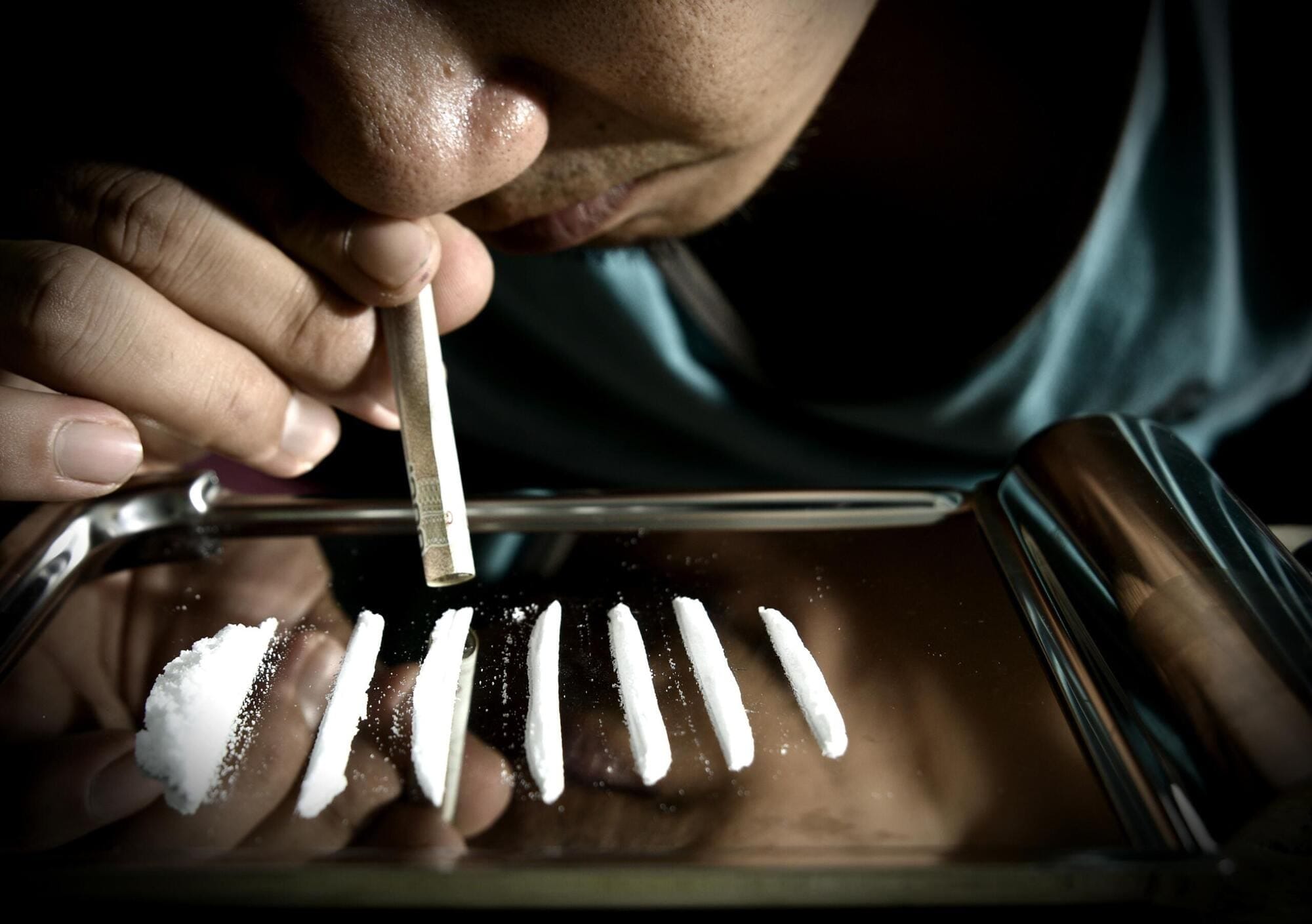
Fishscale cocaine is often described in street slang and online discussions as a high-purity version of cocaine, with claims of exceptional potency and quality. The term “fishscale cocaine” appears frequently in music, social media, and online marketplaces, sometimes making the substance seem exclusive or superior to other forms of cocaine. In reality, the purity claims surrounding fishscale cocaine are difficult to verify, and understanding what these claims mean is essential for anyone exploring the topic online or offline. Misconceptions about Fishscale cocaine often lead people to overestimate its safety or consistency, which can have dangerous consequences. This article examines the reality behind purity claims, the role of street slang, and what people need to know about fishscale cocaine online.
What Purity Means in Fishscale Cocaine
Fishscale cocaine is known for its shiny, flaky appearance, which is often associated with high purity. In chemical terms, purity refers to the concentration of cocaine in the product compared to other substances or cutting agents. Street dealers and online sources may advertise fishscale cocaine as 80 to 90 percent pure, but these numbers are rarely verified in any official laboratory. The perception of high purity is part of the drug’s allure, as users believe it will produce stronger effects with less material. However, this also increases the risk of overdose, since even small amounts of potent cocaine can have severe consequences. Understanding that purity claims are often exaggerated or unverifiable is crucial to avoid misjudging the substance.
How Street Slang Shapes Perception
The term fishscale cocaine itself comes from street slang, emphasizing appearance rather than chemical content. Slang often romanticizes drugs, creating an image of exclusivity and potency that may not align with reality. For example, rap lyrics and social media posts frequently mention fishscale cocaine as a symbol of wealth or status, while ignoring the serious health risks involved. These cultural narratives can distort how people perceive purity claims, leading to dangerous assumptions about quality and safety. Recognizing the difference between street terminology and factual information helps prevent misinterpretation and potential harm.
Fishscale Cocaine Online
Discussions about fishscale cocaine online are widespread, from forums to marketplaces claiming to offer high-purity products. These platforms may provide detailed descriptions of the substance, including claims about color, texture, and strength. However, the online environment is highly unreliable, as sellers often exaggerate purity levels to attract buyers. Additionally, obtaining fishscale cocaine online is illegal and carries serious legal and safety risks. Educational resources and verified health websites are far more reliable for understanding the substance and its effects. Users should approach online claims critically and avoid assuming that visual or descriptive cues accurately reflect purity.
Health Risks of High-Purity Cocaine
The high purity associated with fishscale cocaine increases health risks compared to lower-grade products. Even small doses can cause cardiovascular problems, neurological effects, and overdose. Long-term use may lead to severe addiction, mental health challenges, and social consequences. Misleading purity claims can exacerbate these dangers, as users might consume more than intended, believing they are getting a “safer” or more consistent product. Understanding these risks highlights the importance of separating online hype and street slang from the scientific reality of fishscale cocaine.
Misconceptions and Cultural Influence
Cultural depictions of fishscale cocaine often exaggerate its purity and desirability, particularly in music, movies, and online content. While these portrayals contribute to the drug’s mystique, they rarely address the legal, health, and social consequences of use. Misconceptions around purity may lead to risky behavior, including experimenting with high doses or seeking the drug online. Awareness of these influences is key to making informed decisions and interpreting discussions about fishscale cocaine critically.
FAQ
Q: Can purity claims of fishscale cocaine be trusted?A: Not reliably. Most claims are unverified and exaggerated, as street-level products are not tested in official laboratories.
Q: What makes fishscale cocaine appear purer than other cocaine forms?A: Its shiny, flaky appearance and texture contribute to the perception of high purity, though this does not guarantee chemical consistency.
Q: Is it safe to buy fishscale cocaine online?A: No. Purchasing cocaine online is illegal and extremely dangerous, and online claims about purity are often misleading.
Q: What are the health risks of high-purity cocaine?A: High-purity cocaine can cause overdose, cardiovascular problems, neurological issues, addiction, and long-term mental health consequences.
Benefits of Awareness
While there are no health benefits to using fishscale cocaine, understanding purity claims has indirect benefits. Educating oneself about the realities of high-purity cocaine can reduce risky behavior, prevent accidental overdose, and improve decision-making when encountering discussions online. Awareness also helps separate street slang and cultural influence from factual information, fostering safer conversations and better harm-reduction strategies.
Conclusion
Understanding purity claims in fishscale cocaine requires careful consideration of street slang, online representations, and scientific realities. While the term may suggest exceptional quality and potency, the actual composition of the substance is unpredictable and highly dangerous. Misleading online claims and cultural depictions can distort perceptions, making it essential to rely on verified information and health resources. Awareness and critical thinking are the best tools for navigating discussions about fishscale cocaine online, ensuring that curiosity does not lead to harm.