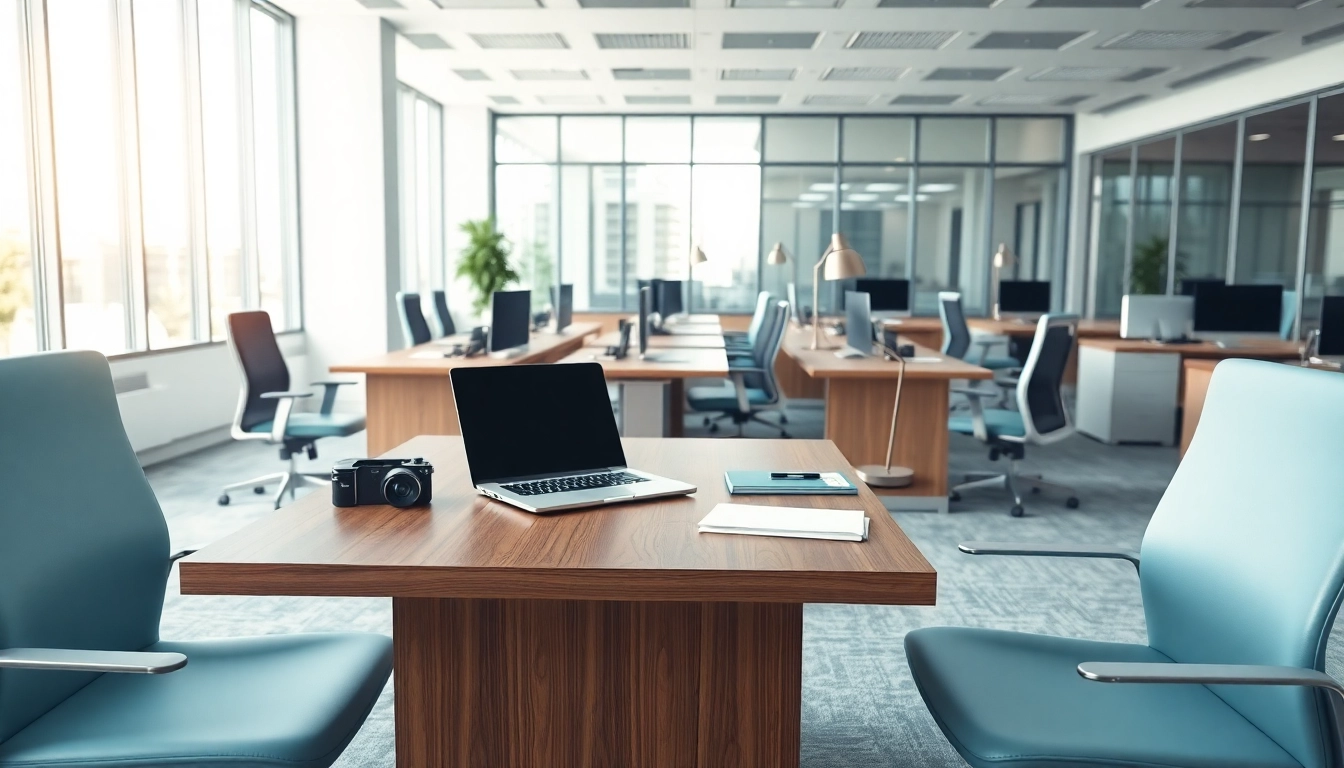
In today’s fast-paced work environment, the significance of office furniture cannot be overstated. It extends beyond aesthetic appeal; the right furniture can enhance productivity, reflect the company culture, and promote employee well-being. As businesses evolve, understanding the importance of quality office furniture is crucial for ensuring an effective and pleasant workspace.
Understanding the Importance of Office Furniture
Why Quality Matters in Office Furniture
Quality office furniture lays the foundation for a productive workspace. High-quality items, such as ergonomic chairs and desks, are built to last and often come with warranties that speak to their durability. Investing in quality furniture can mitigate the risks associated with workplace injuries caused by poor seating, inadequate workspace, or unergonomic setups.
Types of Office Furniture and Their Uses
Understanding the various types of office furniture is key to selecting items that satisfy both functional and aesthetic needs. Here are some essential categories:
- Desks: The cornerstone of any office, desks come in various styles, including executive desks, cubicle desks, and collaborative workstations, each designed for specific tasks and functionalities.
- Chairs: Office chairs are pivotal for comfort and support. Ergonomic designs not only provide comfort but can significantly reduce the risk of long-term health issues.
- Storage Solutions: Properly designed filing cabinets, shelving units, and bookcases help maintain organization and improve access to essential documents and supplies.
- Conference Tables: These are vital for collaborative meetings, requiring a blend of style, functionality, and adequate space for team members.
- Reception Furniture: First impressions count. A well-furnished reception area can bolster an organization's professional image while providing comfort to visitors.
Impact of Office Furniture on Productivity
The relationship between office furniture and productivity should not be underestimated. Studies have shown that ergonomically designed furniture can lead to increased employee morale, reduced fatigue, and overall higher productivity levels. When employees are comfortable, they can focus better on tasks at hand, engage more fully in their responsibilities, and experience fewer distractions.
For example, adjustable desks allow employees to alternate between sitting and standing, promoting better posture and reducing the risk of Musculoskeletal disorders (MSDs). Similarly, incorporating collaborative furniture to facilitate teamwork can cultivate a sense of community and improve the overall work environment.
Choosing the Right Office Furniture for Your Needs
Assessing Space and Layout for Office Furniture
Choosing the right office furniture begins with assessing the available space and understanding how people will interact within that area. Take precise measurements of your office layout to ensure that the furniture fits well and allows for smooth movement. Consider using software that creates virtual office layouts, which can provide a visual representation and help in making informed decisions.
It's also essential to account for any existing architectural features, such as windows, columns, or fixed installations, that could impact furniture placement. An effective layout not only enhances aesthetics but also improves workflow efficiency. Frequently used areas should be easily accessible to minimize time spent in transit.
Ergonomic Considerations for Office Furniture
When selecting office furniture, prioritizing ergonomic design is crucial for ensuring employee health and comfort. Ergonomically designed chairs, desks, and other furnishings can help mitigate discomfort associated with prolonged sitting and repetitive tasks. Look for chairs that offer adjustable features, lumbar support, and materials that breathe to enhance comfort.
Desks that accommodate different working postures, such as sit-stand desks, promote better health and can reduce fatigue. Furthermore, accessories like keyboard trays, monitor stands, and footrests can significantly improve the ergonomic quality of each workstation.
Budgeting for Office Furniture Purchases
While it is tempting to opt for the lowest-priced options, understanding the balance between cost and quality is vital. When budgeting for office furniture, consider the long-term benefits of investing in durable and ergonomic options. Create a comprehensive budget that factors in not only the initial purchase cost but also the potential costs associated with employee health issues and replacements due to wear and tear.
It can also be worthwhile to compare bulk purchase options or explore pre-owned or refurbished furniture, which can provide quality at a lower price. Planning ahead can lead to informed choices that ultimately benefit the business financially and operationally.
Design Trends in Office Furniture
Popular Styles of Office Furniture Today
Staying abreast of design trends can aid in selecting contemporary office furniture that resonates with your organization's identity while catering to employee preferences. Popular design styles currently include:
- Minimalist: Characterized by sleek lines and simple shapes, minimalist furniture emphasizes functionality and open spaces.
- Industrial: This style often uses raw materials like metal and reclaimed wood, appealing to modern businesses that want to showcase an urban aesthetic.
- Biophilic Design: Incorporating natural elements such as plants and organic shapes not only enhances the workspace's appearance but also has proven psychological benefits.
- Modular Furniture: With increasing demand for flexibility in working environments, modular furniture systems allow for reconfiguration according to team needs.
Incorporating Sustainability in Office Furniture Choices
Sustainability is a growing concern among consumers, and this extends to office furnishings. Choosing sustainable options, such as furniture made from renewable materials, can not only enhance the environment but also portray corporate responsibility.
Look for brands that are transparent about their manufacturing processes and certifications—such as Forest Stewardship Council (FSC) certification—ensuring that the materials used are sourced responsibly. Sustainable practices not only reduce your carbon footprint but also appeal to environmentally conscious employees and clients.
Technology Integration with Modern Office Furniture
As technology becomes increasingly vital to daily operations, office furniture must adapt accordingly. Modern desks might come equipped with integrated chargers, USB ports, and built-in cable management systems that accommodate electronic devices. Ergonomic chairs may include features such as automated adjustment settings tailored to individual users' requirements.
Moreover, workspace solutions that foster collaboration, such as communal tables equipped with digital tools and screens, cater to team-oriented environments and promote innovation.
Maintaining and Caring for Your Office Furniture
Cleaning and Upkeep Tips for Office Furniture
Proper maintenance enhances both the longevity and aesthetic appeal of office furniture. Regularly cleaning surfaces with appropriate cleaning agents helps preserve the material's integrity and appearance. For upholstered items, routine vacuuming and spot cleaning are essential to prevent stains and buildup of dust and allergens.
Establishing a cleaning schedule allows team members to contribute to the upkeep, ensuring that workspaces remain tidy and welcoming. Additionally, consider professional cleaning services for deep cleaning of carpets and other large furnishings as needed.
When to Replace Office Furniture
Despite appropriate care, office furniture will eventually need rejuvenation or replacement. Signs that it's time for new purchases include visible wear and tear, discomfort experienced by employees, and a decline in productivity attributable to inadequate furniture. Regular assessments can help identify when replacements are necessary, allowing for seamless transitions to new furnishings.
Conducting employee surveys may provide insight into furniture effectiveness and preferences, guiding strategic replacements that better meet the team's needs.
Maximizing Longevity of Office Furniture
To maximize the lifespan of office furniture, invest in quality items from the beginning, and enforce guidelines for their appropriate use. Employees should be educated about using equipment properly to avoid breaking or damaging furnishings. Also, consider the environmental conditions; direct sunlight and excessive moisture can accelerate deterioration or fading.
Lastly, maintaining a proactive approach to addressing minor repairs or adjustments can prevent larger issues from arising. Simple actions, such as tightening screws or fixing squeaky chairs, can prolong the life of office furniture significantly.
Creating a Productive Environment with Office Furniture
Arranging Office Furniture for Workflow Efficiency
The arrangement of office furniture greatly impacts workflow efficiency. Visualizing how each area is utilized can help in planning an effective layout that supports the flow of information and interaction among teams. Adopting an open-office concept, where appropriate, can foster collaboration, while designated quiet spaces may help employees concentrate on individual tasks.
Distance between workstations is also critical—ensure spacing allows for privacy while maintaining accessibility. This balance encourages productivity without sacrificing the sense of community within the office.
Incorporating Personal Touches to Office Furniture Arrangement
Encouraging employees to personalize their workspaces can create a sense of ownership and comfort. This can include choosing decorations, arranging work materials in a way that resonates with personal style, or integrating plants that bring a touch of nature indoors.
Personal touches not only enhance individual motivation but can also foster camaraderie when shared among colleagues, positively impacting overall office morale.
Creating Collaboration Spaces with Office Furniture
Designing spaces specifically for collaboration can yield significant benefits for team dynamics and creativity. Furnishing these areas with comfortable seating, modular tables that can adapt to various setups, and technology-ready fixtures encourages brainstorming and collaborative projects.
Equipping collaboration spaces with tools such as whiteboards or screens can facilitate idea generation and keep everyone engaged. Moreover, incorporating informal meeting areas can cultivate a relaxed atmosphere that promotes open communication among team members.
In conclusion, making thoughtful choices regarding office furniture is critical for enhancing organizational culture and employee productivity. Understanding the significance of quality, ergonomics, trends, maintenance, and workspace design can empower businesses to create environments that not only meet their operational needs but also promote a sense of well-being among employees. Investing in the right office furniture is an investment in the future success of the organization.