
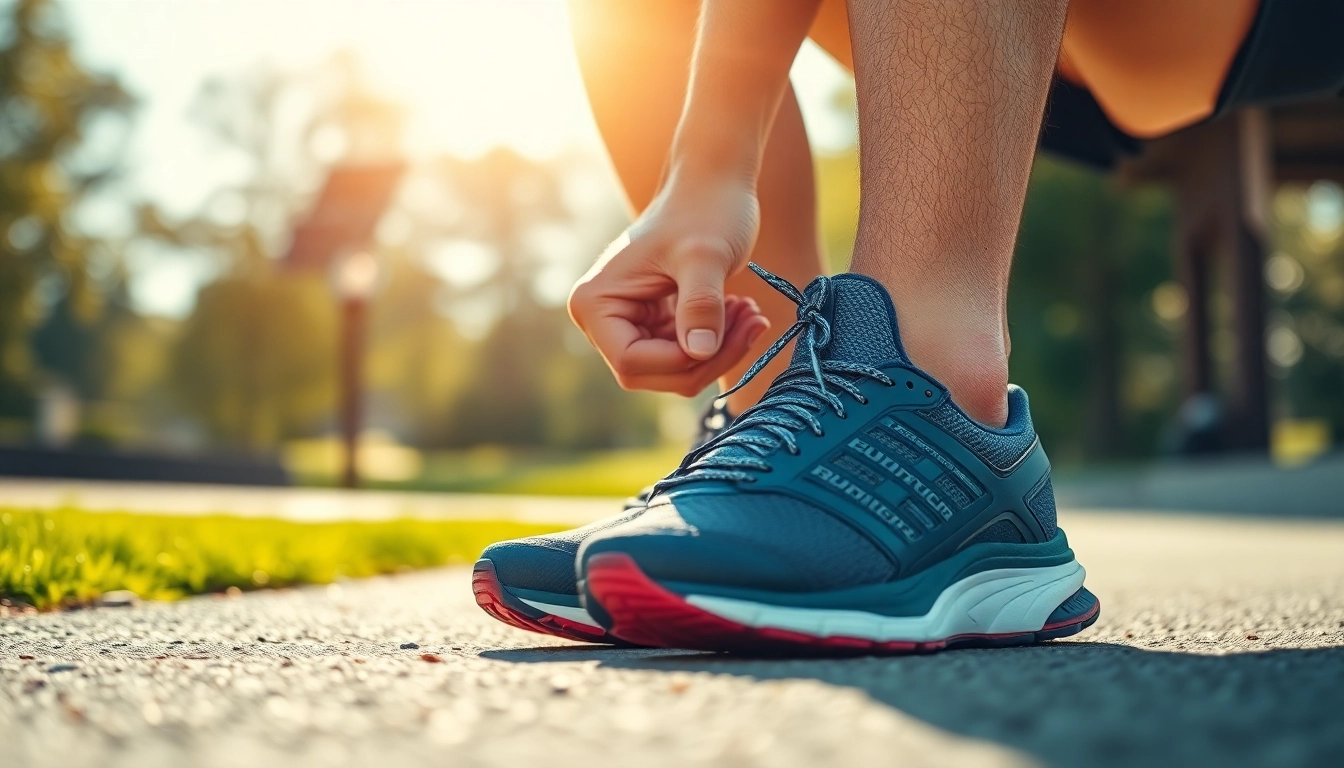
Understanding Running Essentials
For anyone looking to dive into the world of running, understanding running essentials is paramount. Regardless of your experience level, having the right gear can significantly enhance your running experience. This guide will walk you through the necessary items that can optimize your performance, increase comfort, and ensure safety while you stride down those scenic paths or city streets.
The Importance of Proper Gear
Proper gear is vital for several reasons. First, it directly impacts your comfort and performance. Running in shoes that fit well and provide adequate support reduces the risk of blisters and injuries, allowing you to concentrate on the run rather than your discomfort. Second, the right attire can help regulate your body temperature, wick away sweat, and prevent chafing. Lastly, high-quality gear often comes with added features—reflective materials for safety during night runs, pockets for essentials, and moisture-wicking fabrics that enhance breathability.
How the Right Clothing Enhances Comfort
Choosing the correct clothing is essential in reducing distractions while running. Fabric is a primary factor; opting for moisture-wicking synthetics can mean the difference between a comfortable run and a sweaty, uncomfortable experience. Another aspect is fit—clothing that is too loose may hinder movement, while overly tight attire can lead to chafing and irritation. Investing in the right clothing can transform your running sessions, making them more enjoyable and effective.
Key Accessories for a Better Experience
Accessories play a pivotal role in enhancing the running experience. Items like GPS watches can help track distance, pace, and heart rate, allowing for a more data-driven approach to training. Hydration packs or handheld water bottles ensure you're well-hydrated, particularly during longer outings. Furthermore, recovery tools, such as foam rollers or massage sticks, can help ease post-run soreness and promote muscle recovery. Ensuring you have the right accessories makes every run more productive and pleasurable.
Essential Running Shoes
Running shoes are arguably the most critical aspect of your gear. They are designed to provide support, cushioning, and stability, ultimately impacting your performance and reducing the risk of injury.
Types of Running Shoes Explained
There are several types of running shoes, each designed for different running styles and surfaces. Road-running shoes are lightweight and have minimal traction, designed for pavement and smooth surfaces. Trail-running shoes feature rugged outsoles for better grip on uneven terrain and often include added protection for the feet. Additionally, racing flats are designed for speed and performance, with a focus on lightweight construction rather than cushioning.
Finding Your Perfect Fit
Finding your perfect fitting shoe involves considering factors such as arch type, foot shape, and running style. Visit a specialty running store to have your gait analyzed. Importantly, leave some room in the toe box—around a thumb's width—to allow for foot movement during runs. The right shoe should feel snug but never tight, providing ample support without restriction.
Maintenance Tips for Longevity
To prolong the life of your running shoes, keep them clean and dry. Rotate between multiple pairs if possible, as this allows the materials to decompress fully. Finally, monitor your mileage; most running shoes need to be replaced after 300 to 500 miles, depending on their construction and your running mechanics.
Running Apparel Must-Haves
Your apparel plays a significant role in your overall comfort and performance while running. Investing in quality clothing is worth it, as it enhances your run and prevents discomfort.
Choosing the Right Fabrics
Synthetic fabrics are generally the best choice for running apparel. Look for options including polyester and nylon, which wick moisture away from the body. Avoid cotton, as it absorbs sweat and can become heavy, chafing against the skin. Additionally, many brands offer clothing with built-in UV protection, which is advantageous for outdoor runners.
Weather-Appropriate Clothing
When considering your wardrobe, think about the weather conditions you'll encounter. In colder climates, look for base layers to retain heat, along with wind-resistant outerwear. Conversely, hot weather necessitates lightweight, breathable materials. A good rule of thumb is to dress as if it’s 20 degrees warmer, as the body heats up during a run.
Layering Techniques for Comfort
Layering is vital for adjusting to changing conditions. Start with a moisture-wicking base layer, adding insulating layers as necessary, and finishing with a shell that protects against wind and rain. This method allows you to easily regulate temperature and stay comfortable throughout your run, regardless of the weather’s fickle nature.
Hydration Solutions for Runners
Staying hydrated is essential for peak performance and overall health while running. Understanding how and when to hydrate can significantly affect your stamina and recovery.
Importance of Staying Hydrated
Proper hydration helps maintain energy levels, regulates body temperature, and improves overall performance. Dehydration can lead to decreased endurance, higher perceived effort, and an increased risk of injury, making it crucial to incorporate hydration strategies into your running routine.
Best Hydration Packs and Bottles
Hydration packs are ideal for long-distance runners, allowing you to carry sufficient water without the bulk of a bottle. Handheld water bottles offer a lightweight alternative for shorter runs, and belts can provide hands-free hydration. Choose an option that feels comfortable and doesn't interfere with your running form.
Strategic Hydration Plans for Long Runs
During long runs, develop a hydration strategy that fits your needs. Aim to drink 4-6 ounces of water every 20 minutes, adjusting based on heat, humidity, and individual sweat rates. Practice your hydration strategy during training to ensure your body can handle your planned approach on race day.
Advanced Accessories to Enhance Performance
In addition to the essentials, consider advanced accessories that can elevate your running experience. These tools can add significant value and insight into your performance capabilities.
GPS Watches vs. Fitness Trackers
GPS watches provide precise data on distance, pace, and elevation, making them essential for serious runners looking to improve their performance. Fitness trackers, while effective for daily activity monitoring, may lack the accuracy and detail for serious running metrics, although they can provide a broader overview of health indicators.
Running Apps for Training and Motivation
Utilizing running apps can enhance your training regimen by offering insights into your performance, tracking your runs, and providing structured training plans. Look for apps that sync with your GPS watch, collect detailed stats, and offer community features for added motivation.
Importance of Recovery Tools
Incorporating recovery tools into your training routine can significantly enhance performance and prevent injury. Foam rollers, massage sticks, and percussion massagers help relieve tight muscles and speed up recovery times. Prioritize your recovery just as you would your training for optimal results.
FAQs About Running Essentials
What are the running essentials?
Running essentials include shoes, socks, shirts, shorts, jackets, hats, hydration options, and a GPS watch.
Why is proper footwear important?
Proper footwear prevents injuries, enhances comfort, and improves overall running performance.
Can I run in regular athletic shoes?
While regular athletic shoes can work, dedicated running shoes offer better support and cushioning.
What hydration methods are recommended?
Hydration can be managed with handheld bottles, hydration belts, or vests, based on personal preference.
How often should I replace my running shoes?
Generally, replace your running shoes every 300-500 miles, depending on wear and your running style.