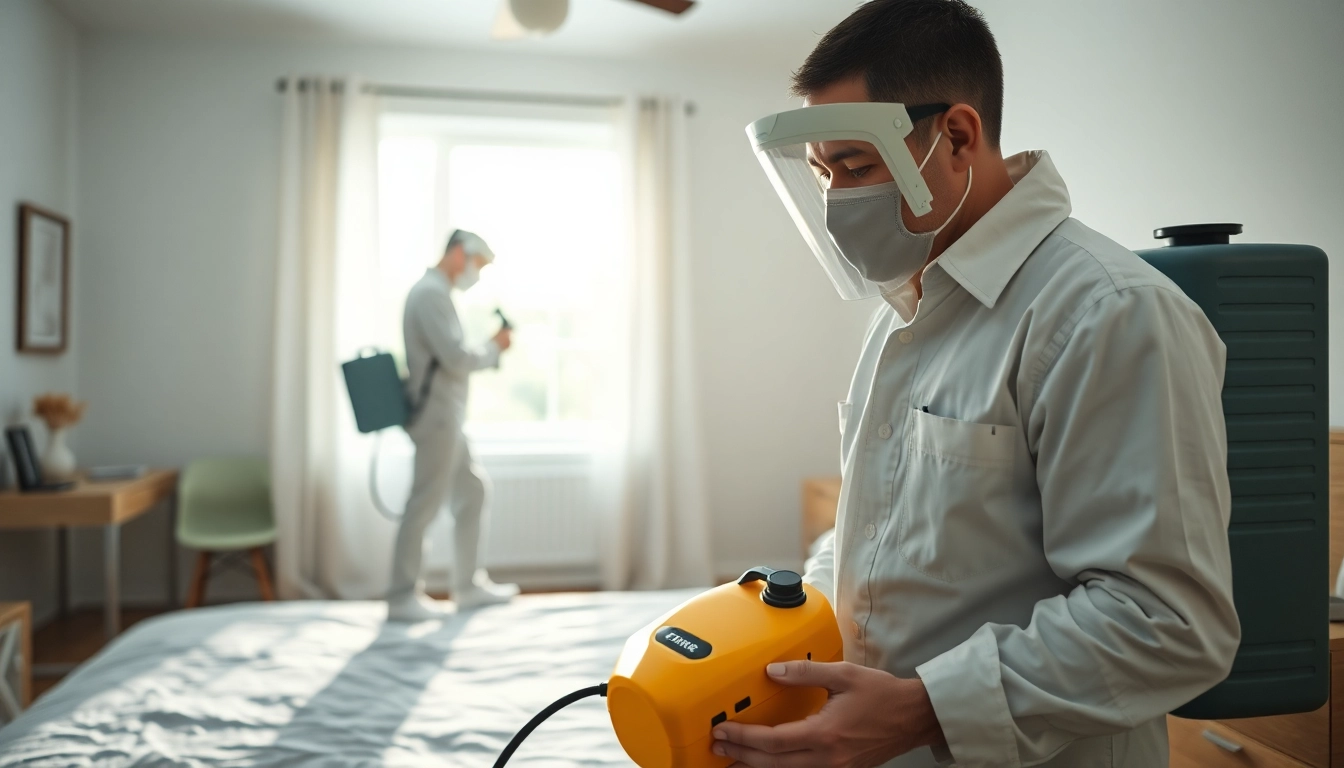
Understanding the Need for Bed Bug Exterminators
Bed bugs have become a significant concern for homeowners and renters alike, as these pests can infiltrate homes and cause considerable distress. Knowing when and why to engage bed bug exterminators is crucial for maintaining a comfortable and healthy living environment. This article aims to shed light on the necessity of hiring professionals for bed bug control, based on extensive research and expert insights.
Signs of a Bed Bug Infestation
Identifying a bed bug infestation early is essential for effective treatment. Common signs include:
- Physical Bites: Small, itchy welts on the skin, often arranged in clusters or lines.
- Blood Stains: Tiny blood spots on sheets or bedding, indicative of bed bugs that have been crushed.
- Dark Spots: Fecal droppings can appear as dark smears or clusters on bedding or upholstery.
- Eggs and Shells: Tiny, pale-yellow eggs and molted shells can be found in seams of mattresses or furniture.
- Musty Odor: A sweet, musty smell can result from bed bugs releasing pheromones, especially in larger infestations.
The Impact of Bed Bugs on Health and Comfort
Beyond the obvious discomfort of bites, bed bugs can significantly affect mental health, leading to anxiety and insomnia. Their presence can create an overwhelming sense of unease in one's personal space. Additionally, the physical reactions to bites can vary from mild irritation to severe allergic reactions in some individuals.
When to Call Bed Bug Exterminators
If you suspect a bed bug infestation, it is vital to act promptly. Signs such as frequent bites, finding bed bugs themselves, or discovering blood stains should prompt an immediate call to a professional. Delaying treatment often exacerbates the problem, making eradication more difficult and expensive.
Choosing the Right Bed Bug Exterminators
Choosing a qualified exterminator is crucial to effectively addressing a bed bug problem. The right choice can significantly impact the success of the extermination process.
Evaluating Exterminator Qualifications
When selecting a pest control professional, verify the following qualifications:
- Licensing: Ensure the exterminator holds a valid license issued by the state.
- Experience: Look for companies with a proven track record in bed bug removal.
- Insurance: Check for liability insurance to protect against any potential damages during treatment.
- Certifications: Look for certification from recognized pest control organizations, which indicates a commitment to best practices.
Questions to Ask Before Hiring Bed Bug Exterminators
Before hiring, consider asking the following questions:
- What methods do you use for bed bug extermination?
- How long have you been in the pest control business?
- Can you provide references or testimonials from previous clients?
- What is your policy on follow-up visits if the problem persists?
- Are there any guarantees on your services?
Understanding Your Options: DIY vs Professional Services
While several DIY methods exist for treating bed bugs, including sprays and heat treatments, the effectiveness of these methods is often limited, especially in larger infestations. Professional services, provided by trained exterminators, often utilize more potent and targeted solutions, leading to higher success rates in complete eradication.
Methods Used by Bed Bug Exterminators
Understanding the methods used by professionals can help demystify the extermination process and reassure homeowners of its effectiveness.
Common Treatment Techniques Explained
Exterminators employ various techniques, including:
- Heat Treatments: Raising the temperature in an environment to levels lethal to bed bugs.
- Chemical Treatments: The application of insecticides that specifically target bed bugs, often used in conjunction with other methods.
- Vacuuming: Thorough vacuuming of affected areas to physically remove bugs, eggs, and shed skins.
The Role of Inspection in Effective Treatment
A comprehensive inspection is a critical first step in treatment. Trained exterminators will carefully examine the entire area, searching for signs of infestations that may not be immediately visible. This thoroughness ensures that treatment is applied where it's needed most.
Preparing Your Home for Extermination Services
For effective extermination, homeowners can assist by:
- Removing clutter from the home, making access easier for the exterminator.
- Washing and drying all bedding, clothing, and linens on high heat.
- Reducing the number of places bed bugs can hide by disassembling furniture if necessary.
Costs Associated with Bed Bug Exterminators
Costs of bed bug extermination can vary greatly based on several factors, making it important to understand what contributes to pricing.
Factors Influencing Pricing for Bed Bug Extermination
Key factors include:
- Infestation Severity: The extent of the problem directly influences treatment complexity and costs.
- Location: Prices can differ based on geographical area and local competition.
- Methods Used: Different extermination methods—like heat treatments versus chemical sprays—can vary in cost.
Comparing Estimates from Different Exterminators
It is wise to obtain multiple estimates to compare services offered, treatment methods, and costs. Ensure that estimates are itemized to make an informed decision. Note that the lowest price may not always indicate the best service.
Understanding Long-term Value in Extermination Costs
While upfront costs may seem high, remember that investing in professional extermination may save money in the long run by preventing a resurgence of the infestation. Additionally, reducing stress and discomfort can significantly enhance a homeowner's quality of life.
Post-Treatment Considerations for Homeowners
After treatment, proactive measures are necessary to maintain a bed bug-free environment.
Maintaining a Bed Bug-Free Environment
To prevent future infestations, homeowners should:
- Regularly inspect bedding and furniture for signs of bed bugs.
- Avoid introducing second-hand furniture without thorough inspection.
- Employ preventive measures such as mattress encasements.
Common Mistakes After Extermination
Many homeowners unknowingly engage in practices that can lead to a resurgence of bed bugs post-treatment, such as:
- Neglecting to follow up with any recommended additional treatments.
- Reintroducing infested items into the home without proper treatment.
- Failing to monitor for new signs of bed bugs after treatment.
When to Schedule Follow-up Appointments
Follow-up appointments are essential to ensure that the bed bugs have been entirely eradicated. Homeowners should consult with their exterminators about the recommended schedule for follow-ups based on the initial treatment plan.
FAQs About Bed Bug Exterminators
1. How quickly can I expect results from extermination?
Results can vary, but many infestations see significant improvement within a few days, with complete eradication typically achieved within weeks, depending on the treatment method used.
2. Are bed bug treatments safe for pets?
Most professional treatments are safe for pets when proper protocols are followed. Discussing this with your exterminator is essential to ensure all safety measures are met.
3. Do I need to leave my home during treatment?
Depending on the method used, homeowners may need to vacate for a few hours to a couple of days. Your exterminator will provide specific instructions based on the treatment plan.
4. Can I treat bed bugs myself?
While DIY methods exist, they often lack effectiveness in severe infestations. Professional treatments are typically recommended for thorough eradication.
5. How can I prevent future infestations?
Preventative measures include regular inspections, using anti-bed bug encasements on mattresses, and being cautious when bringing in secondhand items.