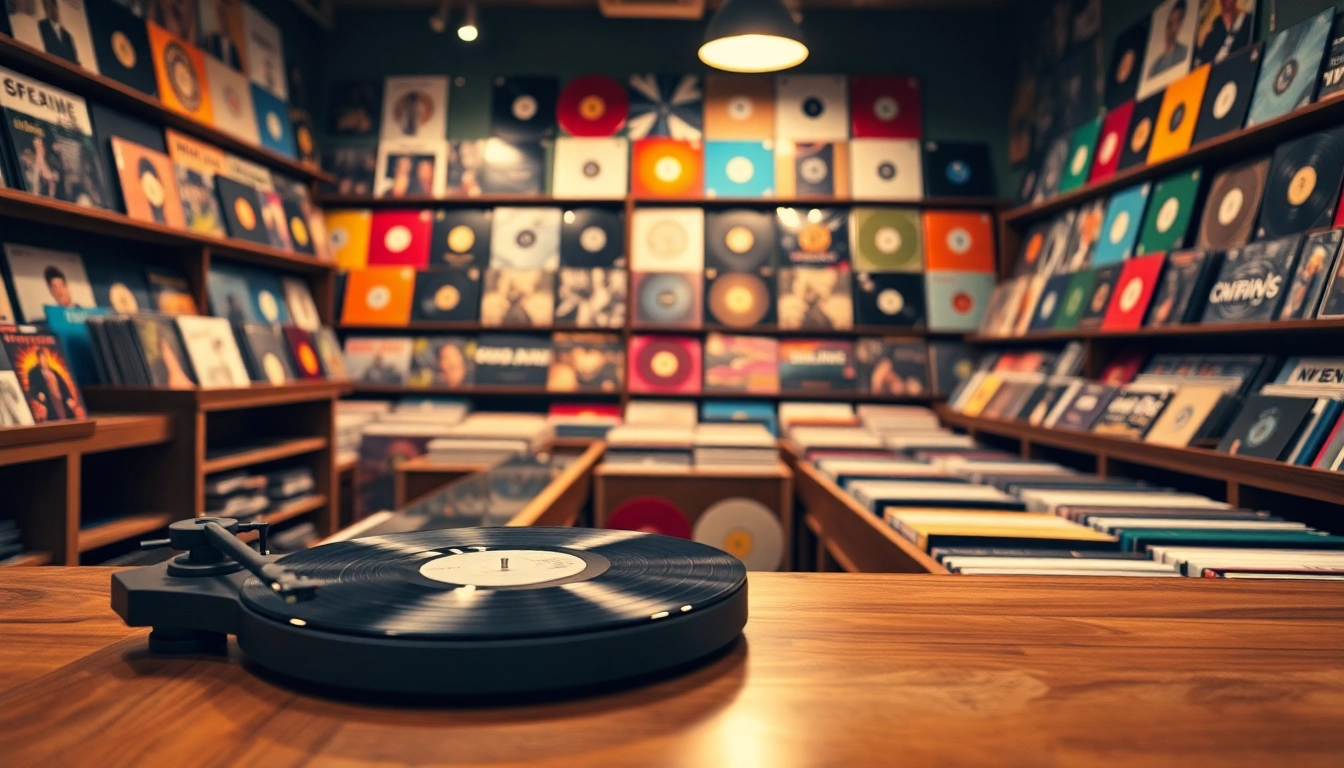
Understanding Vinyl Records: A Brief Introduction
The resurgence of vinyl records in recent years has attracted a diverse and devoted audience, bringing back an audio format that many believed was lost to history. Vinyl records offer a warm, rich sound that digital formats often cannot replicate, making them deeply cherished by audiophiles and casual listeners alike. This comprehensive guide delves into the world of vinyl records, exploring their history, the joy of collecting, and what it takes to curate a personal collection.
What Are Vinyl Records?
Vinyl records are analog sound storage mediums made from polyvinyl chloride (PVC). They are produced in a flat disc shape with inscribed grooves that create sound waves when a needle traverses them. This simple yet ingenious technology allows for high-quality sound reproduction, which is often noted for its warmer tones, depth, and textural richness compared to digital formats. Vinyl records are generally categorized into various sizes, the most common being the 12-inch LP (long-play) records that play at 33 1/3 RPM (revolutions per minute), followed by 7-inch records and 10-inch records.
The History of Vinyl Records
The history of vinyl records can be traced back to the late 19th century, with the creation of early phonographs. The material known as 'shellac' was used until the 1940s when vinyl began to gain popularity. It was more durable and flexible, allowing for easier production and better sound quality. The major turning point came in the 1950s when vinyl records became industry standard due to their improved fidelity, leading to the Golden Age of record production.
Vinyl records continued to flourish throughout the 1960s and 1970s, becoming synonymous with the rise of pop culture and musical icons. However, with the advent of CDs in the 1980s, vinyl records saw a significant decline in popularity, leading many to believe their existence was threatened. Yet, as music enthusiasts began to appreciate nostalgia and the tactile experience of records, a revival took place in the early 21st century, marking a new era of vinyl's popularity.
Different Types of Vinyl Records
Today, vinyl records come in various formats and varieties, each serving different listening experiences and aesthetic preferences. Here are the primary types of vinyl records:
- LPs (Long Plays): Standard full-length albums, typically featuring 8-12 tracks, with a diameter of 12 inches and a speed of 33 1/3 RPM.
- 45s: These are small records, usually 7 inches in diameter, play at 45 RPM, and typically feature a single track on each side, often released as promotional or hit songs.
- 10-inch records: Less common, these records usually hold fewer tracks and provide an intermediate option between LPs and 45s, appealing to niche collectors.
- Picture discs: These records showcase visual artwork embedded in the vinyl, making them attractive for display purposes even if the audio quality may be compromised.
- Colored vinyl: Offers an aesthetic alternative to traditional black vinyl, allowing for creative expression while listening.
The Joy of Collecting Vinyl Records
The act of collecting vinyl records is about more than just acquiring physical artifacts; it’s an experience that intertwines personal taste, nostalgia, and the appreciation of music. Many collectors embrace the tactile journey of purchasing, listening to, and caring for their records.
Building Your Vinyl Records Collection
Building a vinyl collection can be a fulfilling, albeit challenging, pursuit. Start by narrowing down your focus—decide on genres, artists, or eras that resonate with you. Here are some tips to build your collection successfully:
- Research: Investigate the discography of your favorite artists and identify which albums were released on vinyl. Focus on mastering quality and pressing history.
- Visit local record stores: Engaging with knowledgeable staff can lead you to hidden gems and recommendations.
- Explore thrift shops and garage sales: These often yield remarkable finds at bargain prices; persistence is key.
- Join collector groups: Online forums and social media groups can connect you with fellow enthusiasts who may be looking to sell or trade records.
Tips for Finding Rare Vinyl Records
Rare vinyl records often have significant historical or nostalgic value, leading collectors on quests for specific titles. Here are some tips for tracking down these elusive finds:
- Utilize online marketplaces: Platforms dedicated to vinyl sales often feature listings for rare records. Look for reputable sellers with positive reviews.
- Attend record fairs: These events can be treasure troves of rare records, bringing together collectors, dealers, and enthusiasts in one space.
- Network with other collectors: Sharing knowledge and experiences can lead to discovering hidden collections or listings through word of mouth.
Valuing Your Vinyl Records
Understanding the value of your vinyl records can benefit both collectors and those looking to sell. Record values fluctuate based on rarity, condition, demand, and market trends. Here are some key factors to consider:
- Condition: Mint condition records hold the highest value, while those with scratches, warping, or other damage will be worth less.
- Pressing information: First pressings, limited editions, or colored vinyl variants often fetch higher prices, especially among collectors.
- Market demand: Occasionally, albums from certain genres or artists will become trending, significantly impacting their resale value.
Caring for Your Vinyl Records
Proper care is essential to ensure your vinyl records remain in excellent condition as they age. By adopting best practices, you can enjoy your collection for years to come.
Proper Storage Solutions for Vinyl Records
Storage is vital for preserving the integrity of your vinyl records. Follow these guidelines:
- Vertical storage: Store records vertically, like books on a shelf. Avoid stacking them horizontally, which can warp and damage them.
- Environmental control: Store records in a cool, dry place away from direct sunlight, humidity, and extreme temperatures.
- Use protective sleeves: Invest in high-quality inner and outer sleeves to protect your records from dust and scratches.
Cleaning and Maintenance Tips for Vinyl Records
Cleaning your vinyl records regularly enhances playback quality and prevents wear. Here’s how to properly clean them:
- Dry brushing: Use a soft brush to remove dust before playing your records. This action can minimize debris buildup on the needle.
- Wet cleaning: For deeper cleans, consider using a specialized vinyl record cleaning solution and a microfiber cloth. Ensure to follow the direction of the grooves when cleaning.
- Invest in a vacuum cleaner: Record cleaning machines can provide the best results by removing more deeply embedded contaminants.
Common Mistakes to Avoid with Vinyl Records
Even seasoned collectors can commit mistakes that damage their records. Here are some common pitfalls to avoid:
- Handling without care: Always handle records by their edges to prevent fingerprints and smudges on the grooves.
- Overexposure to light: Avoid storing records in areas where they can be exposed to sunlight, which can fade the album art and affect the vinyl material.
- Using incorrect cleaning materials: Avoid using household cleaners or paper towels, as these can scratch the surface of the records.
The Experience of Listening to Vinyl Records
The act of listening to vinyl records offers a unique experience that digital formats struggle to replicate. Each step in the process—from setting up your turntable to sinking into your listening chair—contributes to the enjoyment of music.
Setting Up Your Turntable for Optimal Sound
Getting the best sound from your vinyl records starts with proper turntable setup. Here are key elements to consider:
- Leveling: Ensure your turntable is leveled to avoid skipping records and retain sound fidelity.
- Cartridge alignment: Properly align the cartridge for optimal needle placement within the grooves, enhancing sound quality.
- Tracking force: Adjust the tracking force according to manufacturer specifications to prolong record and needle life.
Enhancing Your Listening Environment
Create a welcoming and comfortable listening environment to elevate your vinyl experience. Consider the following:
- Acoustic treatment: Employ carpets, curtains, and cushions to reduce sound reflections and enhance audio clarity.
- Comfortable seating: Invest in a good chair or sofa that allows you to relax fully while enjoying your records.
- Visual ambience: Consider adding mood lighting or displaying artwork related to your favorite musicians for a richer aesthetic.
Comparing Listening Experiences: Vinyl Records vs Digital Music
The debate between vinyl and digital music formats is ongoing, with each offering distinct advantages depending on listener preference. Vinyl record enthusiasts often cite the warmth and depth of analog sound as unmatched by digital formats, which can at times sound sterile or overly compressed.
Additionally, the tactile experience of handling records, along with the large format album art, provides a personal touch that digital music cannot replicate. However, digital music offers convenience and portability, allowing users to carry large libraries without the physical burden of vinyl.
The Future of Vinyl Records in the Music Industry
As the music industry evolves, so does the role of vinyl records within it. The future appears bright, with growing trends and an increased embrace of analog formats.
Vinyl Records Today: Trends and Popularity
Vinyl's recent revival has been met with enthusiastic participation in popular culture, driven by nostalgia and the renewed appreciation for analog audio. Record sales have seen remarkable increases, with more artists choosing to release new music on vinyl records, thus appealing to collectors and casual listeners alike.
Savvy musicians recognize the marketing potential of limited edition releases and colored vinyl, catering to dedicated fans and collectors. The vinyl revival has made it possible for independent labels and artists to flourish, introducing niche genres and new sounds to audiences worldwide.
Supporting Independent Artists Through Vinyl Records
Collecting vinyl records is increasingly linked with supporting independent music artists. Many artists now leverage vinyl sales to fund their creative projects, as the manufacturing and marketing of records are often financed through pre-orders. This symbiotic relationship not only nurtures the artist’s craft but also cultivates a community of dedicated supporters.
By purchasing vinyl records, consumers can directly contribute to the livelihoods of musicians, ensuring that a diverse array of voices is heard and preserved within the musical landscape.
What to Expect for Vinyl Records in the Coming Years
The future holds promising developments for vinyl records as technology continues to advance while maintaining an appreciation for traditional craftsmanship. With the integration of sustainable production methods, including environmentally friendly materials, the vinyl industry is positioned to align with consumer values focused on sustainability.
Furthermore, the continued rise of direct-to-consumer sales channels and online shopping options makes it easier for collectors and casual listeners to find unique records and support artists directly. As lifestyle trends increasingly favor experiences over possessions, the tactile, immersive nature of vinyl will likely remain a compelling choice for music enthusiasts going forward.