Understanding Structural Steel Fabrication
Structural steel fabrication is a critical process within the construction industry, involving the transformation of raw steel into precise components essential for building structures. This includes everything from beams and columns to intricate frames that support architectural designs. The significance of this process cannot be overstated, as it not only ensures the structural integrity of buildings but also plays a vital role in efficiency, safety, and cost-effectiveness. Workers in various sectors depend on structural steel fabrication, making it a focal point of modern construction practices. For further insights on the intricacies involved in this field, exploring structural steel fabrication can provide a more extensive understanding.
What is Structural Steel Fabrication?
Structural steel fabrication refers to a series of processes that convert raw steel into engineered structures tailored to specific requirements. These processes encompass cutting, bending, and assembling steel shapes and pieces to create components of buildings and infrastructures. Fabricators begin with steel plates or sections and follow specifications detailed in architectural designs, resulting in products like girders, beams, trusses, and frames.
Importance of Structural Steel in Construction
Structural steel offers numerous advantages that make it the preferred choice for modern construction. Its strength-to-weight ratio is exceptional, allowing for large spans and open spaces within commercial and residential buildings. Additionally, steel is highly durable and resistant to many environmental factors, which translates to lower maintenance costs over the lifespan of the structure. The quick assembly timelines associated with steel components enable faster project completions, meeting the growing demands for speed in the construction industry.
Key Stages in the Fabrication Process
The fabrication process generally consists of several key stages:
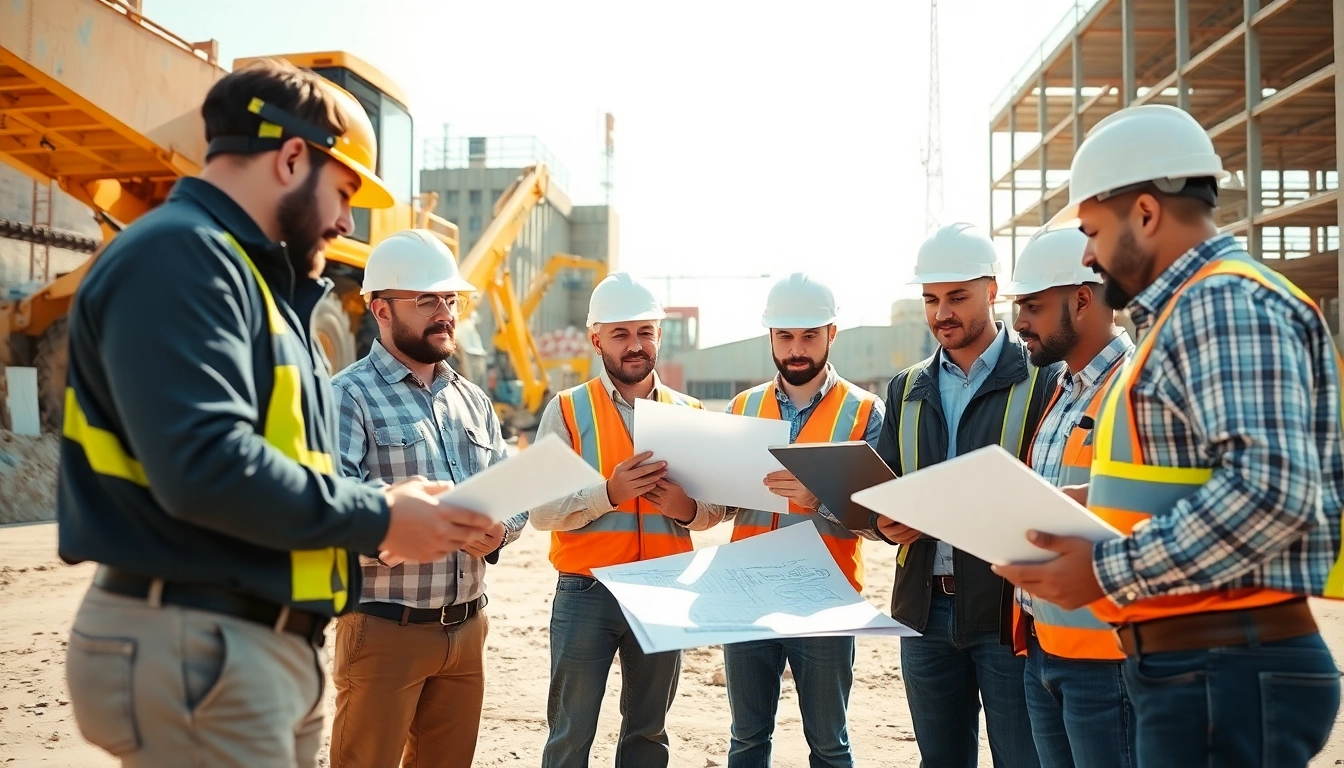
- Design and Engineering: Initial drawings and specifications are prepared based on construction plans, detailing how the steel will be cut, shaped, and assembled.
- CNC Cutting: Advanced CNC machinery is utilized to perform precise cuts on steel, adhering to exact dimension requirements.
- Bending and Shaping: Various techniques, such as roll bending and press braking, are employed to form steel into required shapes.
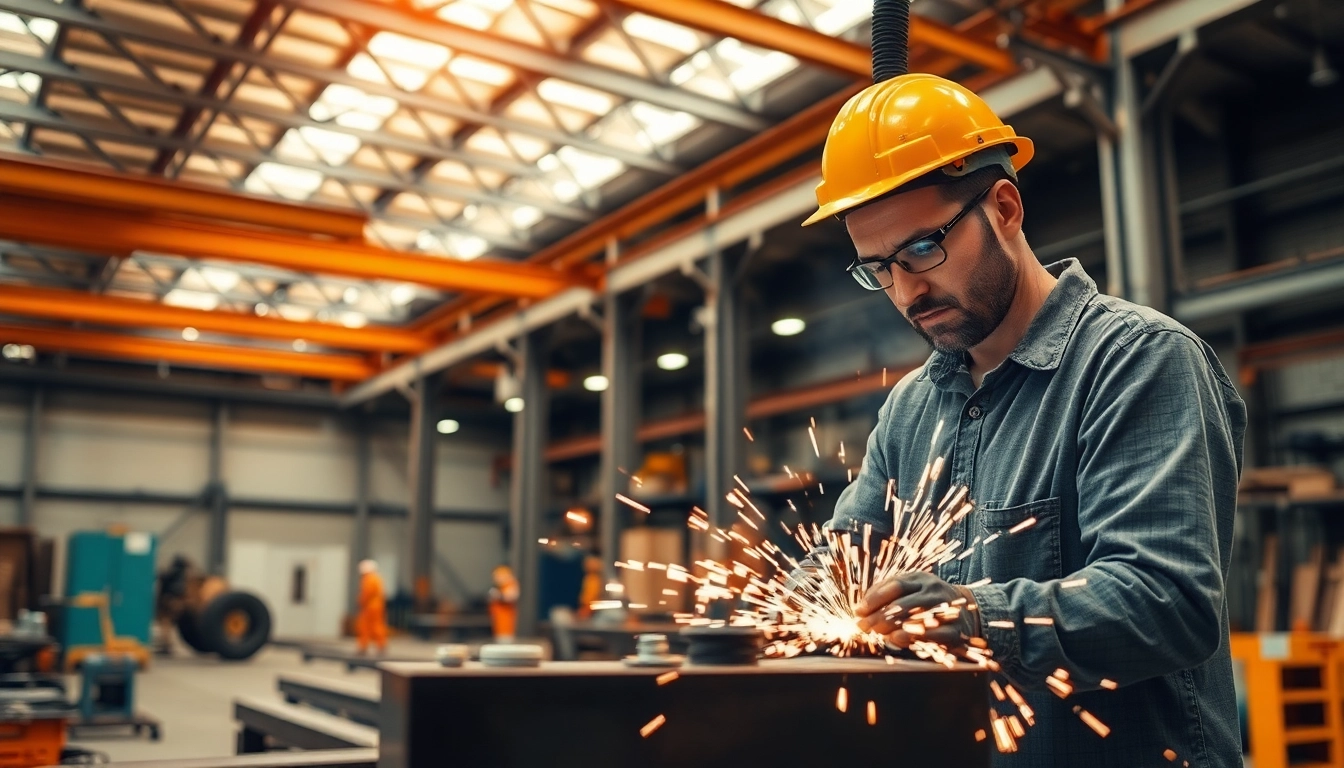
- Welding: Components are welded together to create larger assemblies that maintain structural integrity.
- Surface Treatment: Steel surfaces may undergo treatments like painting or galvanizing to increase their resistance to corrosion.
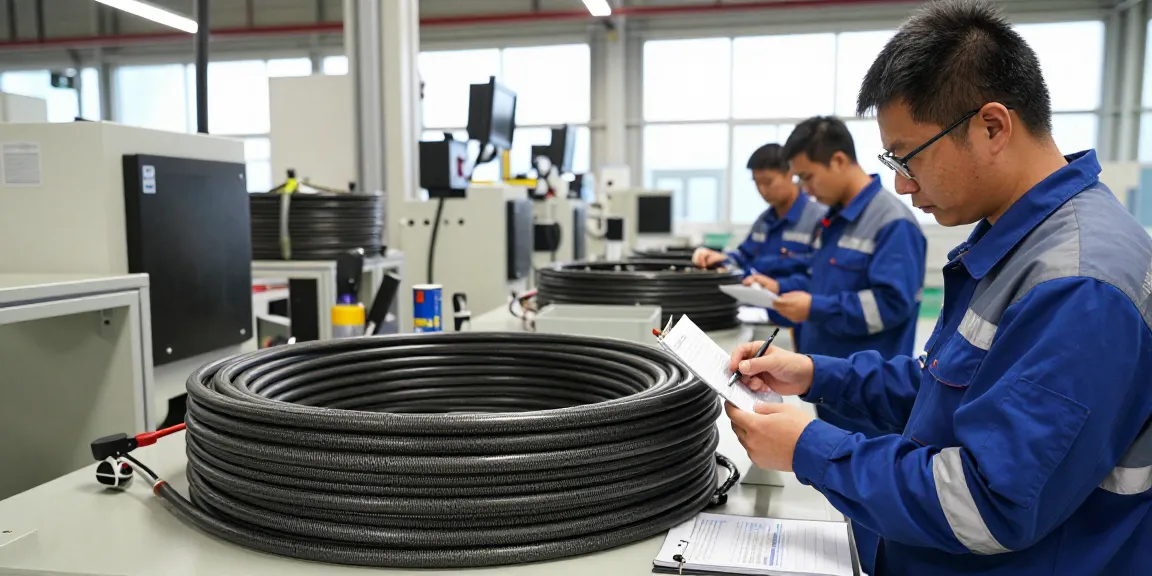
- Quality Control: Each fabricated piece is inspected for quality and tolerance before being sent to the construction site.
Materials Used in Structural Steel Fabrication
Common Types of Steel for Fabrication
Different types of steel varieties are available for fabrication, each with unique properties suited to various applications:
- Carbon Steel: Known for its strength and versatility, carbon steel is the most commonly used material in structural fabrication.
- Alloy Steel: Alloy steel contains other elements to enhance properties like strength, toughness, and wear resistance, making it suitable for specialized applications.
- Stainless Steel: Resistant to corrosion, stainless steel is ideal for structures exposed to harsh environmental conditions.
- Steel Plates and Sheets: Often utilized for cut parts, they serve as the foundation for various components in structural applications.
Material Specifications and Standards
Adhering to material specifications and standards is crucial in structural steel fabrication to ensure safety, performance, and longevity. Regulatory bodies, such as the American Institute of Steel Construction (AISC) and ASTM International, provide guidelines on steel grades, fabrication practices, and testing methods. Applications such as buildings, bridges, and industrial structures require compliance with national and local codes, further emphasizing the importance of using certified materials and processes.
Environmental Considerations in Material Selection
Choosing the right materials goes beyond functionality and includes environmental implications. The steel manufacturing process can have a considerable carbon footprint, so selecting materials that minimize environmental impact is essential. Steel is recyclable, which contributes to sustainability, and fabricators can source recycled steel to reduce reliance on virgin materials. Moreover, sustainable practices in fabrication processes—such as efficient waste management and energy-efficient machinery—also play pivotal roles in reducing environmental harm.
Techniques and Technologies in Structural Steel Fabrication
Cutting Techniques for Structural Steel Fabrication
Fabricators employ various cutting techniques to shape steel components accurately:
- Flame Cutting: Utilizing an oxy-fuel gas flame to cut through steel, this method is effective for thicker materials.
- Laser Cutting: A more advanced method that offers precision and can cut through complex shapes with less waste.
- Plasma Cutting: Efficient for cutting thick steel, plasma cutting uses electrical arc technology to melt and remove material.
- Waterjet Cutting: High-pressure water mixed with abrasives cuts through steel without generating heat, which prevents distortion.
Bending and Shaping Steel Components
Various methods are deployed to bend and shape steel components, including:
- Roll Bending: Used for creating arcs and curved shapes, roll bending employs a series of rollers to gradually form the steel into the desired curvature.
- Press Braking: This technique involves forcing steel sheets into a die using a press, achieving precise bends at various angles.
- Stamping: Stamping is often used for creating complex shapes where material is pushed into a mold to achieve a specific design.
Welding and Assembly Processes in Fabrication
The welding process is paramount in connecting individual steel components into larger structural assemblies. Various welding methods include:
- MIG Welding: Metal Inert Gas (MIG) welding is commonly used for its adaptability and speed, making it suitable for various thicknesses.
- TIG Welding: Tungsten Inert Gas (TIG) welding produces high-quality welds and is ideal for applications requiring precision.
- Submerged Arc Welding: This method generates a strong join with minimal spatter while providing high welding speeds, ideal for heavy sections.
Best Practices for Structural Steel Fabrication
Quality Control Measures in Fabrication
Implementing rigorous quality control measures is essential to maintaining the integrity of fabricated structures. Quality control ensures that all fabricated steel meets specified tolerances and standards. Regular inspections at every fabrication stage, from material receipt to finished product tracking, help secure structural performance and safety. In addition, employing non-destructive testing techniques, such as ultrasonic and magnetic particle testing, allows for the identification of potential defects without damaging the material.
Safety Protocols for Steel Fabrication
Safety must be prioritized throughout the structural steel fabrication process, with several protocols established to mitigate risks:
- Personal Protective Equipment (PPE): All workers must wear appropriate safety gear, including helmets, goggles, gloves, and steel-toed boots, to prevent injuries.
- Training: Regular safety training sessions should be conducted to educate workers about best practices, equipment operation, and emergency procedures.
- Equipment Maintenance: Regular maintenance of tools and machinery is crucial to ensure that all equipment operates safely and effectively.
- Hazard Communication: Utilizing safety data sheets (SDS) ensures that all employees are aware of the materials they handle and associated risks.
Cost-Effective Practices in Structural Steel Fabrication
Balancing cost efficiency with quality is vital in structural steel fabrication. Here are some effective practices to manage costs:
- Efficient Material Use: Minimizing waste through precise cutting and design can significantly save costs and materials.
- Automation: Incorporating automated technologies increases production speed, reduces labor costs, and enhances accuracy in production.
- Supplier Relationships: Building strong relationships with suppliers leads to better negotiation on materials and potential cost savings.
- Project Scheduling: Effective project management ensures timely completion, reducing downtime and associated costs on job sites.
Future Trends in Structural Steel Fabrication
Innovations in Fabrication Technology
The future of structural steel fabrication lies in continuous technological advancements. Innovations include:
- 3D Printing: Emerging as a revolutionary process, 3D printing allows fabrication of complex steel components with reduced material waste.
- Robotics: The use of robotic arms in fabrication enhances precision and speed, especially in repetitive welding and cutting tasks.
- Software Integration: Advanced software solutions for modeling and project management streamline fabrication processes, improving collaboration and efficiency.
Emerging Materials and Their Applications
New materials are being developed to improve the properties of structural steel and its applications. For instance, high-strength steel variants are leading to reduced material usage, translating into lighter structures without compromising strength. Moreover, the incorporation of composite materials in steel fabrication is gaining traction, where steel is used alongside materials such as carbon fiber to achieve hybrid structures that are lighter and more robust.
Impact of Automation on Structural Steel Fabrication
Automation is poised to revolutionize the structural steel fabrication landscape. The integration of automated systems enhances precision in cutting and welding, significantly reducing human error. Moreover, advanced technologies like AI and machine learning can analyze operational data, identifying inefficiencies and paving the way for continuous improvement.