Unveiling the Allure of Varga Girls: The Intersection of Art and Culture
In the landscape of American art and culture, few figures have left as indelible a mark as Alberto Vargas, the creator of the iconic "Varga Girls." A celebration of feminine beauty and allure, these illustrations were not just images—they were cultural phenomena that defined an era. From the pages of magazines like https://www.esquirevargas.com to the walls of art collectors, the Varga Girls have maintained their charm, captivating audiences with their unique blend of sensuality and sophistication. This article embarks on a journey through the origins, artistic techniques, cultural significance, and legacy of the Varga Girls, offering a comprehensive exploration of their place in both history and contemporary culture.
Introduction to Varga Girls and Their Impact
The Origins of the Varga Girls Concept
The Varga Girls emerged during the 1940s amidst a backdrop of war, societal change, and evolving perceptions of femininity. Alberto Vargas, a Peruvian-American artist, found his niche as the chief illustrator for Esquire magazine, where he introduced his vision of the idealized woman. This was a time when pin-up art became a means of expressing longing, desire, and a sense of hope during the trials of World War II.
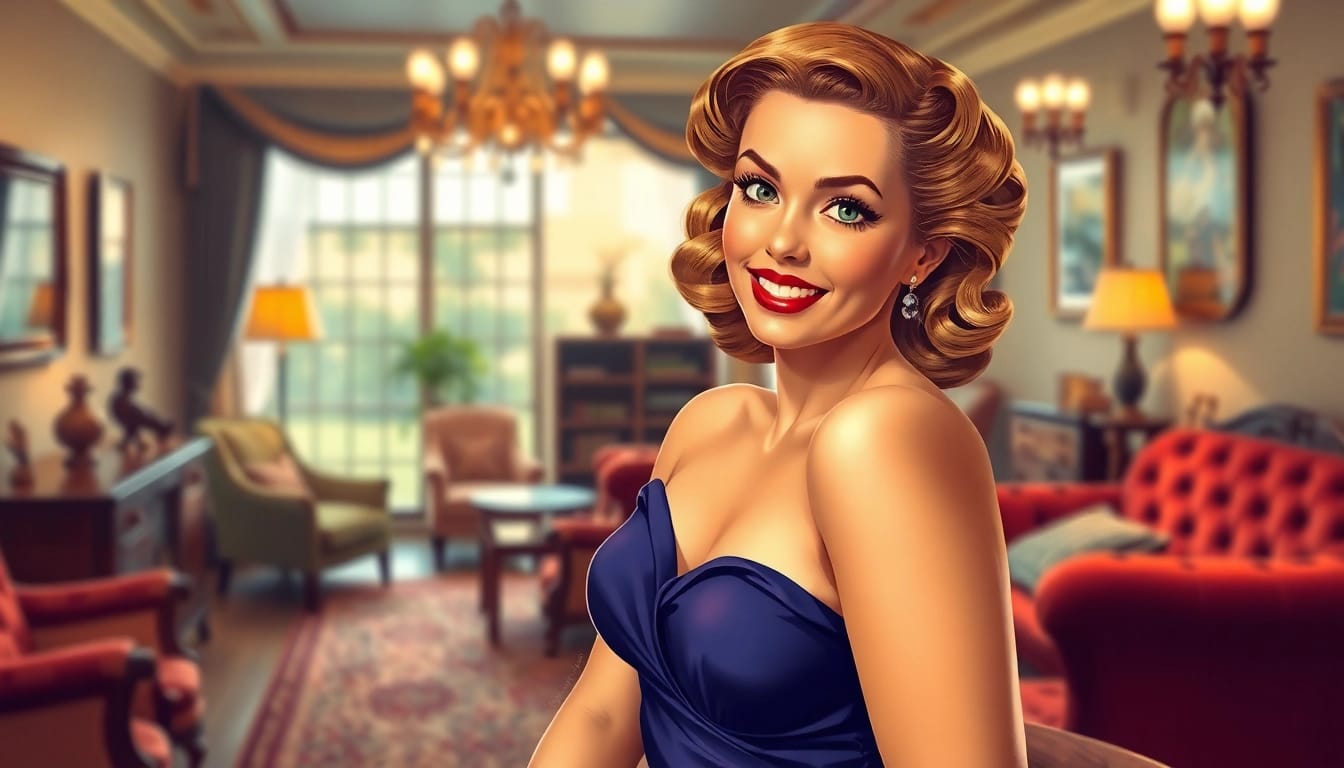
What set Vargas apart from his contemporaries was his ability to combine skillful airbrushing techniques with a flair for capturing the essence of femininity. His models, often depicted in suggestive yet tasteful poses, became symbols of beauty and resilience. The concept of the "Varga Girl" was born—a persona that embodied both the allure of the ideal woman and the spirit of the times.
Significance in American Culture during the 1940s
The significance of the Varga Girls extended beyond mere visuals; they represented a shift in American culture. As men went off to war, these illustrations served as comforting reminders of home. The Varga Girls provided a tantalizing escape from the harsh realities of life during wartime, embodying an ideal that was both patriotic and alluring. Additionally, the glossy pages of magazines introduced a new form of entertainment and art that appealed to the masses.
Moreover, Varga's work coincided with the rise of consumer culture in post-war America. Advertisements began to increasingly feature pin-up imagery, and Vargas's art played a crucial role in shaping public perceptions of beauty, sexuality, and desirability. The Varga Girls became cultural icons, forever etched in the hearts and minds of those who experienced their allure.
How Art Influenced the Varga Girls Aesthetic
Vargas's artistic background in the fine arts deeply influenced his style. His choices in color, form, and texture were deliberate, creating a unique aesthetic quality. By integrating elements of realism with fantasy, he crafted images that both celebrated and idealized the female figure. Vargas's use of vibrant colors and meticulous detail drew the viewer's eye, creating an immersive experience.
His techniques included airbrushing, which allowed for smooth gradients and an ethereal quality in his work. This method became a signature of his style, leading to the sensual softness that characterized many of his pin-ups. The resulting imagery was not just about lust; it was about portraying women as confident, powerful, and multifaceted individuals, elevating the perception of women in the media.
Diving into the Artistic Techniques
Airbrushing Methods Used in Varga Art
Vargas was a master of airbrushing, a technique that allowed him to create smooth transitions and lifelike textures. The airbrush became his primary tool, permitting an unconventional approach to painting that contrasted sharply with traditional brush techniques. By layering colors and achieving soft edges, Vargas was able to evoke a dreamy quality in his illustrations.
This method not only contributed to the alluring quality of the Varga Girls but also showcased Vargas's innovative spirit. His airbrush technique was often coupled with dramatic lighting, enhancing the three-dimensional essence of his subjects. The careful attention to light and shadow turned still images into captivating portrayals filled with motion and emotion.
Color Theory and its Application in Varga Illustrations
Color played a pivotal role in the success of Vargas's artwork. His keen understanding of color theory allowed him to choose palettes that not only enhanced the beauty of his subjects but also evoked emotional responses from viewers. Vargas frequently employed pastel tones—soft pinks, blues and greens—that exuded charm while also resonating with a broader audience's yearning for beauty and escape.
Vargas's strategic use of complementary colors created a visual impact that drew the eye and highlighted the curves of his subjects. His signature colors corresponded to the essence of femininity; the soft hues represented gentleness, while bolder shades communicated strength and vitality. This nuanced application of color theory contributed significantly to the legacy of the Varga Girls in the art world.
Understanding Composition and Style in Varga Works
Composition is crucial in effectively conveying the allure of a subject. Vargas understood this principle well. His images often feature dynamic poses and thoughtful arrangements, creating a sense of movement and life. By strategically placing the subjects within the frame and employing techniques such as the rule of thirds, Vargas crafted images that were visually compelling and artistically profound.
Vagas's style combined realism and fantasy, allowing viewers to escape into a world where idealized beauty prevailed. His depictions of women transcended mere representation; they were narratives, stories of empowerment and elegance encapsulated in a single frame. Each Varga Girl invited viewers into her world, where beauty, confidence, and allure took center stage.
Varga Girls in Popular Media
Representation in Magazines from the 1940s
During the 1940s, the Varga Girls graced the pages of major magazines, redefining women's roles in print media. They symbolized modern femininity during a time of social upheaval, offering a counter-narrative to traditional gender roles. As Vargas's illustrations became synonymous with Esquire magazine, they captured the admiration of millions of readers, many of whom eagerly awaited each issue to see the latest Varga Girl.
This increased visibility in mass media set a precedent for future generations of artists and illustrators, inspiring a resurgence of pin-up culture that continues to resonate today. Magazine editors recognized the marketing potential of Vargas's artwork, leading to an increased demand that further elevated his work within both popular and fine art circles.
How Movies and Television Portrayed Varga Influences
Vargas's influence extended beyond print into cinema and television, where the visual language of the Varga Girls found its way into motion pictures. The alluring aesthetic established by Vargas became a blueprint for how female characters were depicted in Hollywood films. Iconic actresses of the era embraced Vargas-inspired styling—think glamorous hairstyles, figure-hugging dresses, and a flirtatious charm that captivated audiences.
From lead roles to bit parts, the essence of the Varga Girls echoed through character designs and marketing campaigns, creating an idealized vision of femininity that audiences could aspire to. As a result, Vargas’s work played a role in solidifying the image of the ‘femme fatale’, shaping the cultural landscape of American film and television during a transformative era.
The Enduring Legacy of Varga Girls in Modern Culture
Even decades after their introduction, the Varga Girls maintain a significant presence in modern culture. Contemporary artists and illustrators often draw inspiration from Vargas's style, reflecting his influence in various art forms—from photography to digital illustrations. The allure of the Varga Girls endures not only in traditional forms of art but also in merchandise, fashion, and design.
Social media platforms have further revitalized interest in vintage pin-up art, enabling a new generation to embrace the aesthetic of the Varga Girls. The visuals associated with Vargas have been integrated into contemporary fashion, leading to a resurgence of vintage styles that capture the glamour and charm of the mid-20th century. This cyclical nature of influence speaks volumes about the lasting impact of Vargas’s artistic vision on today’s culture.
Collecting and Appreciating Varga Artwork
Identifying Authentic Varga Art Pieces
For collectors of Varga artwork, distinguishing authentic pieces from reproductions is essential. Several factors contribute to the authenticity of a Varga work, including signatures, provenance, and the materials used in the piece. Authentic works typically bear either Vargas's signature or a distinctive mark, while reproductions may not convey the same quality of craftsmanship.
Additionally, understanding the historical context of the artwork can aid in identifying genuine pieces. Collectors should familiarize themselves with the different series of Varga Girls published throughout the years, as well as the varying styles Vargas employed during his career. This knowledge not only enhances appreciation but also contributes to informed purchasing decisions.
Factors Affecting the Value of Varga Collectibles
Numerous factors influence the market value of Varga artwork. Rarity is one such factor; limited editions or pieces from specific periods are often more sought after by collectors. The condition of the artwork also plays a crucial role, as damages or restorations can significantly affect market value. Ultimately, the sentimental value and demand among collectors can drive prices higher, creating a dynamic market for Varga collectibles.
Furthermore, the provenance of a piece—its history of ownership and exhibition—can enhance its value. Exhibition history, especially if the piece was once part of a notable collection or display, can serve as a testament to its importance and desirability.
Preservation Techniques for Vintage Artwork
Preserving vintage Varga artwork is crucial for maintaining its integrity and value. Collectors should prioritize proper storage techniques to ensure the longevity of these prized pieces. Factors to consider include environmental conditions such as humidity, temperature, and lighting. Storing artwork in a climate-controlled environment, away from direct sunlight, helps prevent fading and deterioration.
Additionally, using acid-free materials for framing and handling minimizes the risk of damage over time. Protective cases or wraps made of archival-quality materials can further safeguard artwork from dust, moisture, and physical wear. By taking proactive steps to preserve vintage pieces, collectors can protect their investments and ensure that the enchanting legacy of Varga Girls lives on for future generations.
The Future of Varga-Inspired Art and Culture
Current Trends in Vintage Pin-Up Art Revivals
The resurgence of interest in vintage pin-up art has sparked a revival among artists who seek to reinterpret the classic aesthetics introduced by Vargas. Contemporary illustrators are blending traditional techniques with modern sensibilities, creating works that both pay homage to the past and reflect contemporary values and aesthetics.
This trend is evident in various artistic mediums, from digital paintings to photography, as new generations of creators experiment with pin-up motifs, incorporating modern themes of empowerment and body positivity. The result is a fresh take on the nostalgic charm of pin-up art that resonates with today’s audiences while still echoing the allure of the Varga Girls.
Influence on Contemporary Artists and Illustrators
Vargas’s legacy continues to inspire contemporary artists, driving them to explore themes of femininity, empowerment, and beauty. Many modern illustrators cite Vargas as a major influence, admiring his ability to blend artistic technique with cultural commentary. This inspiration manifests in diverse ways, from the visual techniques adopted to thematic explorations that challenge or celebrate notions of beauty and femininity.
Moreover, art communities and social media platforms facilitate the exchange of ideas, encouraging artists to share their reinterpretations of vintage pin-up art. This interconnectedness fosters creative dialogue, allowing artists to draw inspiration from one another while respecting the foundational work of artists like Vargas.
How Varga Girls Concepts Resonate with Modern Audiences
The timeless qualities of the Varga Girls resonate with modern audiences in profound ways. While societal perceptions of beauty continue to evolve, the underlying themes of empowerment, confidence, and individuality reflected in Varga's work are more relevant than ever. Contemporary movements towards inclusivity and representation have paved the way for a reinterpretation of the Varga aesthetic that honors diversity in all forms.
Today’s audiences are drawn to the sensual yet empowering portrayals of women that Vargas so artfully constructed. The sense of nostalgia tied to the Varga Girls serves as a reminder of the elegance and allure of classic pin-up art, while also sparking conversations about modern beauty standards and women's agency in art and popular culture. This connection between the past and present ensures that the legacy of Varga Girls will continue to thrive, capturing the imaginations of future generations.