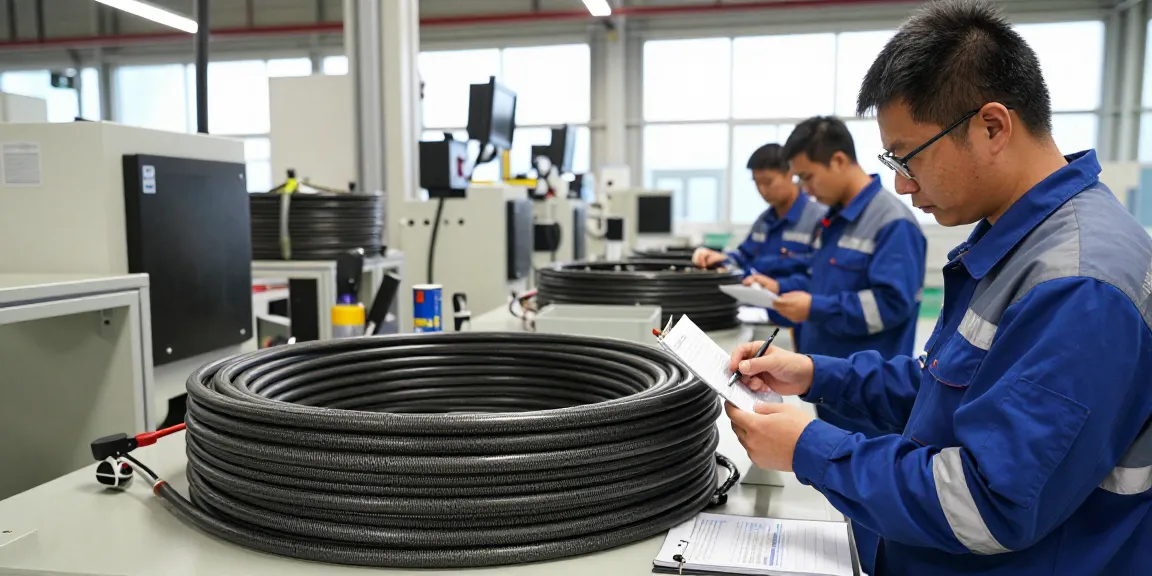
Introduction to GRP Grating
Glass Reinforced Plastic (GRP) grating has emerged as a preferred material in a variety of industrial applications due to its remarkable properties. By understanding the composition and benefits of GRP grating, organizations can optimize their operations effectively. This article serves as an educational resource for those looking to explore the innovations and possibilities associated with GRP grating, especially when selecting a reliable GRP Grating Supplier.
What is GRP Grating?
GRP grating, often referred to as fiberglass grating, consists of a composite material that includes glass fibers embedded within a thermosetting resin. This process enhances the strength and durability of the product, making it a go-to choice where traditional materials may fall short. GRP grating is available in various types, including molded and pultruded options, each designed for specific applications.
Benefits of Using GRP Grating
One of the defining features of GRP grating is its excellent strength-to-weight ratio. Here are some key benefits:
- Corrosion Resistance: Unlike metal grating, GRP is impervious to corrosion, making it ideal for use in chemical plants, oil rigs, and similar environments.
- Lightweight: The lightweight nature of GRP reduces transport and installation costs, making it easier to handle and install.
- Low Maintenance: GRP grating requires minimal maintenance, reducing long-term operational costs.
- Non-slip Surface: Many GRP products have an anti-slip surface, enhancing safety in wet or hazardous environments.
- Electrical Insulation: GRP does not conduct electricity, making it suitable for use in electrical installations where safety is paramount.
Applications of GRP Grating
Due to its versatile nature, GRP grating is suitable for a wide range of applications, including:
- Walkways and Platforms: GRP grating provides sturdy, slip-resistant walking surfaces, ideal for both indoor and outdoor settings.
- Industrial Flooring: Its ability to handle loads while resisting chemicals makes it perfect for factory floors.
- Trench Covers: GRP grating can serve as effective trench covers in various locations, maintaining access while ensuring safety.
- Wastewater Treatment: The corrosion-resistant nature of GRP makes it appropriate for use in harsh wastewater environments.
- Marine Applications: GRP is widely used in shipbuilding, docks, and offshore facilities due to its lightweight and anti-corrosive properties.
Choosing the Right GRP Grating Supplier
Selecting a reliable GRP grating supplier is crucial for ensuring product quality and service. A well-chosen supplier can provide not only the necessary materials but also offer valuable advice on applications, maintenance, and installation.
Factors to Consider When Selecting a Supplier
When evaluating potential suppliers, consider the following factors:
- Reputation: Research the supplier's reputation in the industry and read customer reviews to assess their credibility.
- Certifications: Check if the supplier complies with relevant industry standards and holds necessary certifications for quality assurance.
- Experience: A supplier with a proven track record indicates reliability and expertise in handling GRP materials.
Evaluating Product Range and Quality
Different applications may require specific types of GRP grating. Therefore, assess the product range offered by suppliers:
- Variety of Options: Ensure that the supplier offers a diverse selection of molded and pultruded grating.
- Customization Capabilities: Many projects may require specific sizes, colors, or load ratings, making customization an essential factor.
- Quality Assurance: Request samples to evaluate the quality, strength, and finish of the GRP grating.
Importance of Customer Support
Excellent customer support can significantly enhance your experience when working with a GRP grating supplier. Consider the following:
- Pre-sale Support: Look for suppliers who offer consultation services to help select the best product for your needs.
- Guidance on Installation: A supplier that provides thorough installation instructions or services can mitigate common issues.
- After-sales Support: Suppliers who stand by their products and offer support after the sale ensure a long-lasting relationship.
Comparing GRP Grating to Other Materials
To understand the advantages of GRP grating, let’s compare it to alternative grating materials such as steel and traditional plastics.
GRP vs. Steel Grating
While steel grating is known for its strength, it has certain downsides compared to GRP:
- Corrosion: Steel grating is prone to rust when exposed to moisture, which can lead to structural failures.
- Weight: Steel grating is heavy, leading to higher transportation and installation costs.
- Maintenance: Steel requires regular maintenance, adding to the overall lifecycle cost.
GRP vs. Plastic Grating
Plastic grating provides some benefits, but GRP surpasses in several areas:
- Strength: GRP grating is generally stronger and better suited for heavy-duty applications.
- Temperature Resistance: GRP can withstand higher temperatures than most plastics without deforming.
- Longevity: GRP has a longer lifespan and maintains its appearance much better than plastic.
Cost-Effectiveness of GRP Grating
When evaluating costs, consider the total lifecycle costs rather than just initial purchase price. GRP grating, with its low maintenance and high durability, often results in lower overall costs compared to other materials. The investing in GRP can yield long-term savings by reducing replacement and repair costs.
Installation and Maintenance of GRP Grating
Proper installation and maintenance of GRP grating ensure its longevity and effectiveness in application. Here’s what you need to know.
Guidelines for Proper Installation
To minimize errors during installation, follow these key guidelines:
- Preparation: Ensure the substrate is clean, level, and free of debris.
- Cutting: Use appropriate tools to cut the GRP grating without damaging its integrity. A jigsaw with a fine tooth blade is recommended.
- Securing: Utilize the right fasteners and clips based on the specific loading requirements and span distances.
- Alignment: Ensure that the gratings are properly aligned to create an even surface.
Maintenance Best Practices
Maintaining GRP grating is straightforward, as it requires minimal effort, but here are some best practices:
- Regular Cleaning: Use a soft brush or cloth along with soap and water to clean the surface periodically.
- Inspection: Regularly inspect for any signs of wear or damage. Early detection can prevent further issues.
- Addressing Debris: Remove debris from the grating to maintain its anti-slip properties and prevent accidents.
Common Installation Mistakes to Avoid
To ensure a successful installation, avoid these common mistakes:
- Incorrect Measurements: Taking accurate measurements is crucial to avoid fitting issues.
- Neglecting Hardware: Failing to use the right fasteners or clips can lead to compromised stability.
- Ignoring Load Ratings: Always adhere to the specified load ratings to prevent structural failures.
Frequently Asked Questions about GRP Grating
Why choose GRP grating for industrial applications?
GRP grating is lightweight, corrosion-resistant, and offers excellent load-bearing capacities, making it ideal for rigorous industrial environments.
How can I ensure the quality of GRP grating from a supplier?
To verify quality, look for suppliers that provide in-depth product specifications, certifications, and testimonials from previous clients.
What are the typical installation costs associated with GRP grating?
Installation costs depend on project size and complexity, but GRP's lightweight nature generally leads to reduced labor costs.
Can GRP grating be customized for specific applications?
Yes, many suppliers offer customization options, including sizes, colors, and specific load-bearing capabilities for unique projects.
Why is customer support essential when choosing a GRP grating supplier?
Good customer support ensures assistance with product questions, installation guidance, and after-sales service, enhancing overall satisfaction.