
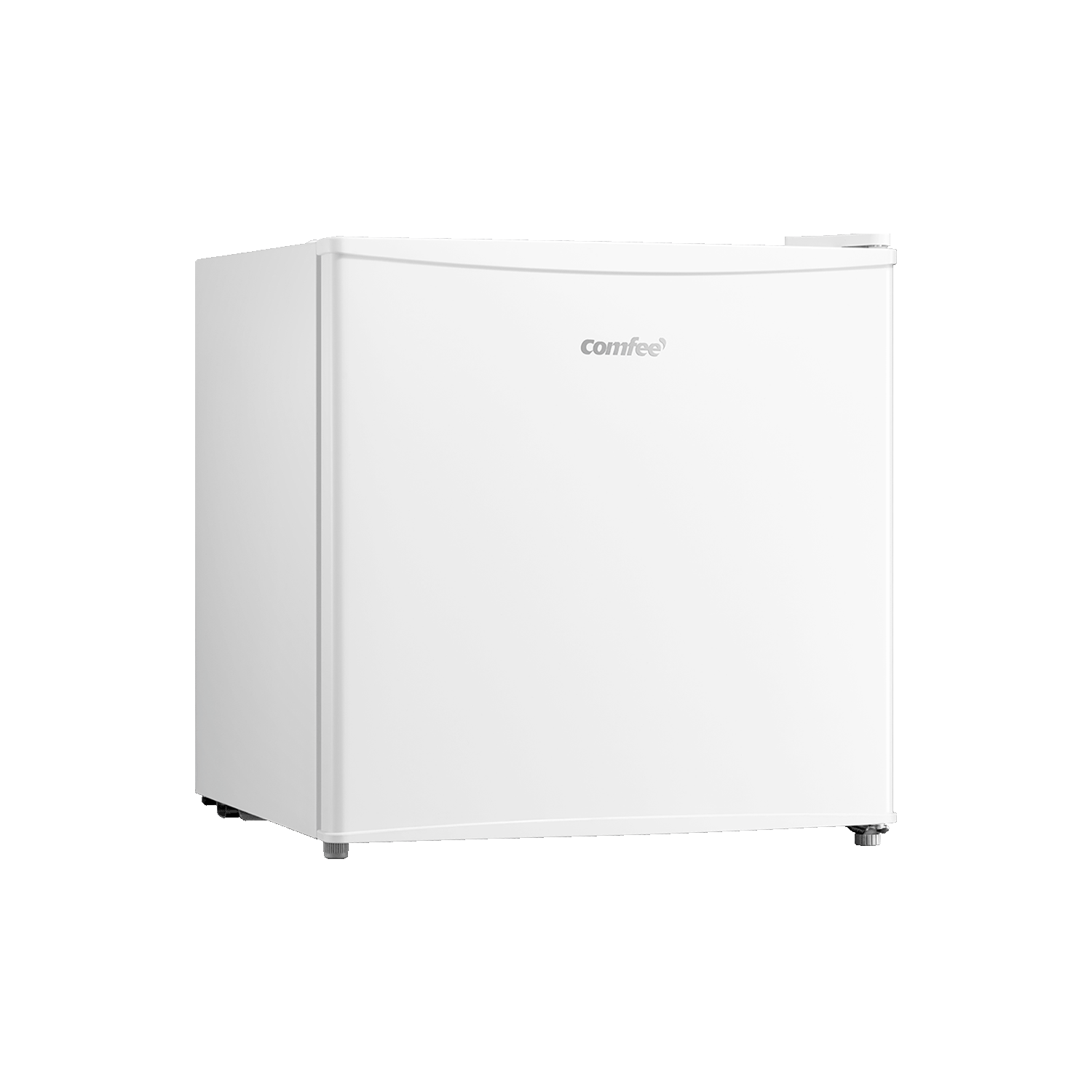
When your household is bustling with school lunches, dinner prep, and weekend snack raids, staying organized can feel like a full-time job. A well-organized Mini freezer can be a game-changer for busy families, helping you save time, reduce food waste, and make meal planning smoother. Whether you’re using a Magic Chef mini freezer or another trusted model, these tips will help you turn your compact appliance into a smart, efficient storage tool.
Assess Your Family’s Needs
Start by thinking about how your family uses the mini freezer. Do you batch-cook meals for the week, keep emergency items on hand, or store frozen snacks for kids? Your usage patterns will determine how you structure the inside of your mini freezer. Consider how often you open it, and roughly what proportion of your frozen items are family meals versus single-serve items. Understanding these needs lays the foundation for an organized mini freezer that works efficiently for everyone.
Create Zones Inside the Mini Freezer
Dividing your mini freezer into functional zones makes it easier for everyone in the family to find what they need — and put things back properly.
Meal-Prep Section
Designate a shelf or basket for pre-made dinners and lunch portions. Use stackable containers or individual freezer-safe dishes for family-size meals. This area of the mini freezer becomes your weekly go-to spot and makes grabbing a ready-to-reheat meal a breeze.
Snacks and Dessert Section
Set aside another portion of the mini freezer for kid-friendly items like frozen fruit pops, ice cream bars, or individually wrapped treats. Keeping snacks separate from full meals prevents cross-clutter and means the kids can easily find what they want without rummaging through the whole mini freezer.
Bulk and Emergency Foods
Reserve a deeper part of the mini freezer for bulk items or staples like meat, vegetables, or sauces that your family uses less frequently but buys in bulk. These items can be stored in larger containers or freezer bags and tucked away so they’re out of your everyday reach — but ready when you need them.
Use Containers and Storage Tools
Having the right storage containers and tools is essential to getting your mini freezer organized and maximizing its capacity.
Stackable Bins
Use stackable plastic bins inside your mini freezer to group similar foods together. For example, dedicate one bin to proteins, another to starches, and a third to snacks. These bins help you avoid “frozen chaos” and make it easy to pull out an entire category at once.
Freezer Bags and Flat Freezing
For items like soups, sauces, and berries, use freezer-safe bags and lay them flat to freeze. Once solid, stand them up like little file folders. This method not only saves space but also makes it easier to scan what’s inside your mini freezer at a glance.
Labeling and Inventory Systems
When your mini freezer is full of a family’s worth of meals, labeling and inventory are critical.
Labeling with Dates
Always label everything in your mini freezer with the contents and date of freezing. This helps you know what’s inside and when it was frozen, so you don’t keep things past their prime. Use a permanent marker on freezer-safe tape or labels, or try reusable labeling tags to reduce waste.
Keeping an Inventory List
Stick a whiteboard, notepad, or magnetic organizer next to your mini freezer. Whenever you add or remove something, update your inventory. Maintain a simple list of what kinds of meals, proteins, and snacks you have stored. This helps prevent overbuying and ensures nothing gets forgotten at the back of the mini freezer.
Follow the First-In, First-Out (FIFO) Method
To prevent food waste and maintain quality, follow a first-in, first-out system. Place newer items at the back of the mini freezer — whether that’s a Magic Chef mini freezer or another model — and move older ones to the front. When it’s time to grab something, pull from the front first. This ensures nothing expires or gets buried under a mountain of newer stuff.
Maintain Proper Temperature and Airflow
An organized mini freezer is only as good as the temperature it maintains. Avoid stuffing your mini freezer so full that air can’t circulate — that degrades performance and makes it work harder. Leave a small gap between bins or containers so cold air can flow freely.
Also, place your mini freezer in a well-ventilated spot. If the compressor can’t breathe, it will struggle to keep a constant temperature. Make sure your appliance (especially a compact unit in a busy kitchen) has a few inches of space on all sides for airflow. Regularly check the thermostat to ensure your mini freezer is keeping a steady, safe freezing temperature.
Regular Maintenance and Developing Habits
Consistency is key when it comes to keeping your mini freezer organized.
- Schedule a monthly cleanout: Once a month, take a few minutes to remove items, defrost if necessary, wipe down interiors, and reorganize zones.
- Reassess your zones: As your meal planning changes, adjust how your mini freezer is zoned. Maybe your “bulk” section becomes “sides” or “breakfast items” over time.
- Teach everyone in the family: Make it a household rule that anyone who uses the mini freezer must return items to their zone and label new things. When everyone helps, the system holds.
Conclusion
Organizing your mini freezer doesn’t have to be a struggle — especially for a busy family. By thoughtfully zoning contents, using stackable bins or freezer bags, labeling everything, and keeping an updated inventory, you’ll transform your mini freezer into a well-oiled food-storage machine. Make the first-in, first-out rule a regular habit, and give your appliance a monthly tidy-up so it stays efficient and functional. With a little planning and consistency, your mini freezer (especially a high-quality Magic Chef model) can support your family’s meal prep, snack needs, and long-term food storage — making life easier, more organized, and less wasteful.