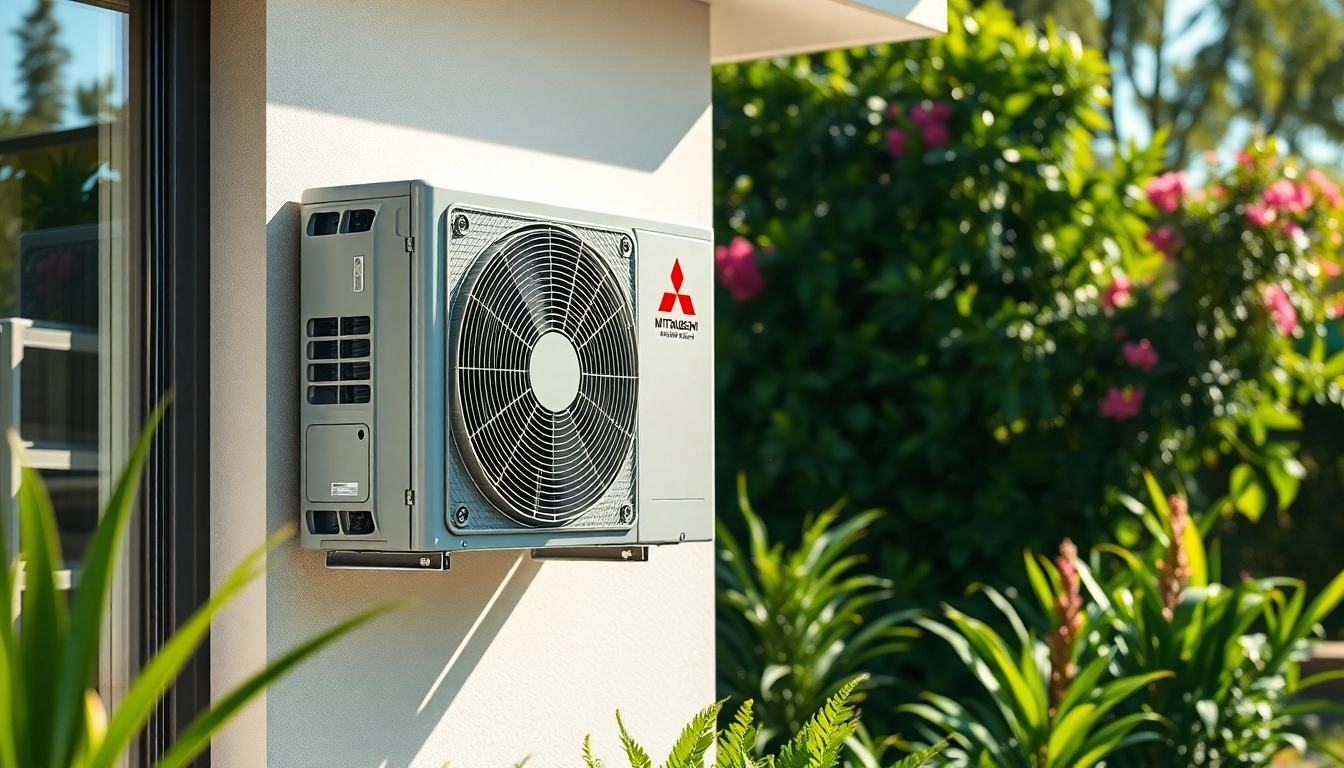
Understanding Mitsubishi Mini Split AC Systems
The mitsubishi mini split ac systems are renowned for their efficiency and versatility in providing climate control in residential and commercial spaces. These systems are particularly popular among homeowners looking for effective heating and cooling solutions without the extensive ductwork required by traditional systems. This article delves into the nuances of these innovative cooling solutions, providing insights that cater not only to potential buyers but also to those looking to optimize their existing systems.
What is a Mitsubishi Mini Split AC?
A Mitsubishi mini split AC is a ductless heating and cooling system that features an outdoor compressor and one or more indoor air-handling units. This design allows for flexible installation and greater control over individual room temperatures. The absence of ducts means lower energy losses, making these systems more efficient compared to conventional HVAC units. With the ability to heat or cool specific zones, they offer tailored comfort while contributing to lower energy bills.
Key Features of Mitsubishi Mini Split AC
- Ductless Design: Their unique ductless configurations minimize energy losses associated with ductwork.
- High SEER Ratings: Mitsubishi mini split AC systems often feature high Seasonal Energy Efficiency Ratios (SEER) that translate into better cooling performance and lower energy costs.
- Quiet Operation: These systems are designed to operate quietly, making them suitable for residential environments.
- Zone Control: Multiple indoor units can be connected to a single outdoor unit, each controlled separately for maximum comfort.
- Inverter Technology: Many models include inverter technology, which adjusts the compressor’s speed to maintain desired temperatures efficiently.
Benefits of Choosing Mitsubishi Mini Split AC
Investing in a Mitsubishi mini split AC system comes with several advantages, including:
- Energy Efficiency: With minimal energy loss, they can significantly reduce cooling and heating costs over time.
- Flexible Installation: The ductless design allows for installation in various locations, including homes without ductwork.
- Enhanced Indoor Air Quality: The systems can integrate filtration options that improve air quality, making them ideal for allergy sufferers.
- Environmentally Friendly: Many Mitsubishi systems utilize eco-friendly refrigerants, further promoting environmental sustainability.
Installation Process for Mitsubishi Mini Split AC
Proper installation is crucial to ensuring optimal performance of your Mitsubishi mini split AC. Here’s an overview of the process involved.
Preparing for Installation
Before installation can begin, adequate preparation is necessary. This includes measuring your space to determine the appropriate model and capacity. Consider emissions requirements and local building codes, ensuring that all permits are obtained. Additionally, choose suitable locations for both the indoor and outdoor units; avoid shaded areas and look for spots that support effective air circulation.
Step-by-Step Installation Guide
Installing a Mitsubishi mini split AC involves several key steps:
- Mount the Indoor Unit: Secure the mounting bracket to the wall. Position the unit at an optimal height to promote air circulation.
- Install the Outdoor Unit: Set the outdoor condenser unit on a stable surface. Ensure it’s elevated to avoid water pooling.
- Connect Refrigerant Lines: Run your insulated refrigerant lines from the indoor unit to the outdoor condenser. Ensure that connections are secure to avoid leaks.
- Electrify the System: Connect the indoor and outdoor units to the power supply according to the manufacturer's guidelines.
- Test the System: Once everything is connected, test the unit to ensure it operates effectively. Check for leaks and inspect airflow.
Common Installation Mistakes to Avoid
To ensure the best performance and longevity, avoid these common pitfalls:
- Neglecting Local Codes: Always check regulations as improper installation may lead to penalties.
- Inadequate Drainage: Poor drainage design can lead to water damage and system failure.
- Incorrect Sizing: Choosing an AC unit that doesn’t match your space’s size can result in inefficiency.
Energy Efficiency and Performance
Energy efficiency is a primary concern for many homeowners, and Mitsubishi mini split AC systems excel in this area.
Understanding SEER Ratings
Seasonal Energy Efficiency Ratio (SEER) is a vital metric for assessing the efficiency of air conditioners. The higher the SEER rating, the more efficient the unit. Mitsubishi mini split systems often boast SEER ratings significantly above the minimums required, ensuring substantial cost savings on utility bills.
How Mitsubishi Mini Split AC Saves Energy
These systems save energy through various mechanisms, including:
- Inverter Technology: This technology allows the compressor to adjust its speed according to the cooling demand, reducing energy consumption.
- Airflow Regulation: The ability to control the airflow in individual zones prevents wasted energy on unoccupied areas.
- Low Standby Power Use: Mitsubishi systems consume minimal power while operating in standby mode.
Performance in Various Climates
Mitsubishi mini split AC systems are designed to perform effectively in a range of environmental conditions. They can deliver consistent cooling in humid climates while also providing heating in colder conditions, which makes them versatile for year-round use.
Maintenance Tips for Long-lasting Performance
For a Mitsubishi mini split AC to perform effectively, regular maintenance is essential. Here are some practical tips.
Routine Maintenance Tasks
Implement these routine maintenance tasks:
- Clean or Replace Filters: A clean filter enhances airflow and energy efficiency. Check monthly and maintain as needed.
- Inspect the Outdoor Unit: Clear away debris around the outdoor unit to promote adequate air circulation.
- Professional Tune-Ups: Schedule yearly professional assessments to ensure optimal performance and longevity.
Signs Your Mitsubishi Mini Split AC Needs Service
Watch for these indicators that your system may require servicing:
- Reduced cooling efficiency or inconsistent temperature.
- Unusual noises during operation.
- Foul odors emanating from the unit.
DIY vs Professional Maintenance: What to Know
While some maintenance tasks are simple enough for homeowners to handle, others should be left to professionals. Cleaning filters and checking airflow can typically be done by homeowners, whereas installations, refrigerant checks, and electrical issues should be addressed by certified technicians to ensure safety and compliance with local codes.
Choosing the Right Mitsubishi Mini Split AC for Your Home
Finding the right Mitsubishi mini split AC can be overwhelming. Here are some factors to consider to help you make an informed decision.
Factors to Consider When Purchasing
Consider the following factors when selecting your system:
- Capacity: Evaluate the size of the space to ensure the unit has the appropriate BTU rating.
- Energy Efficiency: Look for units with high SEER ratings to maximize cost savings.
- Installation Options: Determine the locations and types of indoor units based on your space.
Comparing Different Models
Mitsubishi offers a variety of mini split models, each with unique features catering to different needs. Consider factors such as heating capabilities, energy efficiency, and integrated technology when comparing models.
Budget-Friendly Options Without Compromising Quality
While it may be tempting to go for the lowest-priced option, ensure that the selected model offers durability, efficiency, and a warranty that backs up its claims. Investing in a high-quality system often provides long-term savings through reduced utility costs and maintenance expenses.
FAQs
1. How do I choose the right size Mitsubishi mini split AC?
Choose your mini split AC based on the size of the space; typically, one ton of cooling capacity per 600-800 square feet is recommended. Consult an HVAC professional for precise calculations.
2. Can I install a Mitsubishi mini split AC myself?
While basic tasks like mounting indoor units can be handled by homeowners, it's advisable to hire professionals for installation to ensure compliance with local codes and electrical safety.
3. How often should I maintain my mini split AC?
Regular maintenance should occur at least once or twice a year, including filter checks every month, especially during peak usage seasons.
4. What is the lifespan of a Mitsubishi mini split AC?
With proper maintenance, a Mitsubishi mini split AC can last 15 to 20 years, making it a long-term investment for home comfort.
5. Do Mitsubishi mini split AC systems require ductwork?
No, Mitsubishi mini split AC systems are ductless, allowing for easy installation in homes without existing ductwork, making them versatile for any home setup.