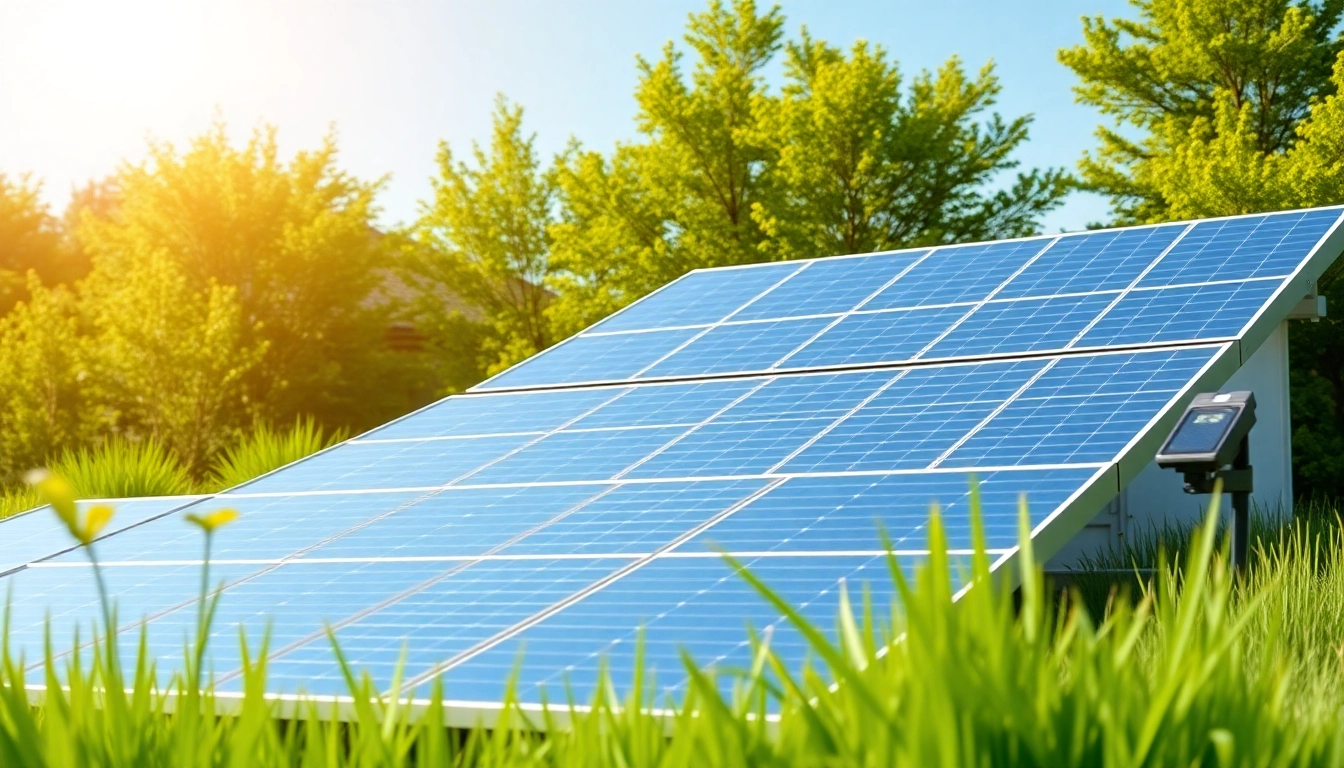
Understanding Off Grid Home Solar Systems
The Basics of Off Grid Living
Off grid living represents a lifestyle choice that increasingly appeals to individuals seeking independence from traditional utility services, particularly in rural or remote areas. An off grid home solar system is essential in this paradigm, facilitating self-sufficiency in power generation. To truly understand what off grid living entails, it’s crucial to grasp the concept that it involves not only generating one’s own energy but also implementing strategies to reduce consumption effectively. This approach fosters a deep connection with the environment and encourages sustainable practices.
Components of an Off Grid Home Solar System
An off grid home solar system typically comprises several vital components working in unison to generate, store, and utilize solar power effectively. At its core, it includes solar panels, batteries, an inverter, and other supporting hardware. Each component plays a significant role:
- Solar Panels: Capture sunlight and convert it into electricity.
- Batteries: Store surplus energy for use during periods of low sunlight.
- Inverter: Converts the DC electricity generated by the solar panels into AC electricity for household use.
- Charge Controller: Regulates the voltage and current coming from the solar panels to the batteries, preventing overcharging.
Each of these components must be selected carefully based on the specific energy needs and location of the home.
Benefits of Going Off Grid
Switching to an off grid solar system provides numerous advantages. First and foremost, it offers independence from utility companies, enabling homeowners to manage their own energy production and consumption. Additionally, living off the grid can lead to significant savings on electricity bills over time, as the initial investment in solar technologies pays off through reduced reliance on purchased electricity.
Moreover, off grid systems contribute to environmental sustainability. Utilizing renewable energy sources like solar power reduces carbon footprints and dependency on fossil fuels. Furthermore, many people find that the lifestyle fosters greater resilience, as they become more self-reliant and resource-conscious. Ultimately, going off grid aligns with broader trends toward sustainability and environmental stewardship.
Key Components of an Off Grid Solar System
Solar Panels: Types and Features
Solar panels, often referred to as photovoltaic (PV) modules, are the heart of any off grid solar system. They come in various types, including monocrystalline, polycrystalline, and thin-film solar panels. Each type has unique features, advantages, and disadvantages:
- Monocrystalline Solar Panels: Known for their high efficiency and sleek design, these panels are made from a single type of silicon crystal. They perform well in low-light conditions, making them suitable for areas with limited sunlight.
- Polycrystalline Solar Panels: Constructed from multiple silicon crystals, these panels are generally less expensive and slightly less efficient than monocrystalline panels. They are ideal for larger installations where cost is a primary consideration.
- Thin-Film Solar Panels: These are lightweight and flexible, allowing for a variety of installations. However, they typically have lower efficiency rates compared to crystalline panels and require more space for the same energy output.
Choosing the right solar panel type for an off grid system depends on various factors, including budget, space availability, and energy needs.
Batteries: Storing Energy for Use
Storage is a vital aspect of an off grid solar system, and batteries are used to store excess energy produced by solar panels. There are various types of batteries available for home solar systems:
- Lead-Acid Batteries: These conventional batteries are widely used due to their affordability. They come in two main types: flooded and sealed (AGM or gel). While they are cost-effective, lead-acid batteries have a shorter lifespan compared to newer technologies.
- Lithium-Ion Batteries: Gaining popularity for their longevity and efficiency, these batteries can hold more charge and discharge energy more effectively than lead-acid options. They have a higher upfront cost but are often viewed as a worthwhile investment due to their lifespan (up to 15 years or more).
- Saltwater Batteries: A newer option on the market, saltwater batteries pose fewer environmental concerns and are cost-effective in terms of raw materials. However, they are still in the developmental stage and may not be as widely available as other options.
When selecting batteries for an off grid solar system, it's essential to consider factors such as capacity, discharge rate, and cycle life to ensure the system meets the homeowner's energy needs efficiently.
Inverters: Powering Your Home
Inverters are crucial in any solar power system because they convert the direct current (DC) generated by solar panels into alternating current (AC), which is the form used by most household appliances. There are primarily three types of inverters used in off grid systems:
- String Inverters: The most common type, string inverters connect a series of solar panels into a "string" and manage the total output. They are generally cost-effective but can be less efficient if one panel is shaded, as the performance of the entire string is affected.
- Microinverters: These devices are attached to each individual solar panel. They maximize the output from each panel, making them ideal for homes with shading issues. Although microinverters are more expensive than string inverters, they can increase overall system efficiency.
- Power Optimizers: Similar to microinverters, power optimizers are devices that connect to each panel to enhance performance but still use a central inverter. They provide a balance between cost and efficiency, making them a popular choice for off grid systems.
Choosing the right type of inverter depends on the specific configuration of your solar system and the energy needs of your home.
Installation Steps for Off Grid Solar Systems
Planning and Site Assessment
The first step in installing an off grid solar system involves careful planning and site assessment. Understanding the local solar availability—measured in peak sun hours—is essential for determining the number and type of solar panels needed. Additionally, assessing the location for potential shading from trees or nearby structures can significantly impact system performance.
Homeowners should also evaluate their energy consumption patterns to determine the system size necessary to support their lifestyle. This includes reviewing past utility bills and calculating average monthly usage to estimate battery capacity and solar panel requirements. Engaging with a professional solar installer can provide valuable insights during this stage.
Installation Process Overview
Once planning and assessment are complete, the installation can begin. The general installation process involves several key steps:
- Mounting the Solar Panels: The solar panels must be securely mounted on a roof or a ground structure at the optimal angle for maximum sun exposure.
- Wiring Connections: Connect the solar panels to the inverter and the battery system, ensuring all connections comply with local electrical codes.
- Installing the Inverter: The inverter should be mounted in a location that is well-ventilated and protects it from moisture and extreme temperatures.
- Set Up the Charge Controller: Install the charge controller between the panels and batteries to manage energy flow accurately.
- System Testing: Before connecting to home circuits, the system should be tested to ensure all components work together correctly.
Proper installation plays a crucial role in system efficiency and longevity.
Connecting the System: Best Practices
Connecting an off grid solar system requires careful attention to detail, as improper connections can lead to inefficiencies or even equipment damage. Some best practices include:
- Follow Manufacturer Guidelines: Always refer to the manufacturer's instructions for wiring and installation to ensure compliance with specifications.
- Label Components: Clearly labeling all components and connections can facilitate easier maintenance and troubleshooting in the future.
- Prioritize Safety: Always adhere to safety protocols when working with electrical systems, including using appropriate personal protective equipment (PPE) and understanding electrical fundamentals.
Establishing a reliable connection between components will minimize future maintenance needs and maximize energy production.
Maintaining Your Off Grid Home Solar System
Regular Inspection and Cleaning
Maintenance is essential to ensure the efficiency and longevity of an off grid solar system. Regular inspections should be conducted at least twice a year to check for signs of wear or damage. Key areas to focus on include:
- Solar Panels: Inspect for debris buildup, scratches, or cracks that may hinder performance. Cleaning the panels periodically with a soft cloth and water can help maintain optimal energy production.
- Batteries: Check battery terminals for corrosion and ensure connections are tight. Lead-acid batteries require water levels to be maintained, while lithium-ion options need less frequent maintenance.
- Inverters: Ensure that inverters are free from dust and that ventilation systems are functioning correctly to prevent overheating.
Regular maintenance not only preserves the system's functionality but also enhances safety by preventing electrical hazards.
Troubleshooting Common Issues
Despite careful planning and maintenance, users may encounter common issues with their off grid solar systems. Troubleshooting efficiently requires understanding these potential problems:
- Low Battery Storage: If the battery capacity seems insufficient, it may indicate over-consumption. Homeowners can audit their energy use or add additional battery storage to address the shortfall.
- Poor Energy Production: If solar output is lower than expected, check for shading, dirt accumulation, or technical failures in the solar panels or inverter.
- Inverter Issues: If the inverter displays error codes, consult the manual or contact a professional for diagnosis. Symptoms may include overheating or failure to convert energy adequately.
Being familiar with these issues allows homeowners to address problems swiftly, reducing downtime and ensuring continuous energy availability.
Upgrading Your System Over Time
As energy needs change and technology evolves, homeowners may wish to upgrade their off grid solar systems. There are several options for effective upgrades:
- Adding More Panels: If additional power is needed, expanding the array is a straightforward solution. It’s vital to ensure compatibility with existing components.
- Investing in Better Batteries: As battery technology advances, switching to higher-capacity or longer-lasting batteries can enhance efficiency and energy storage capabilities.
- Updating the Inverter: Upgrading to a more advanced inverter can improve reliability and increase the system's efficiency, allowing for better performance.
Evaluating energy requirements regularly will help guide timely upgrades to maintain optimal functionality and adapt to lifestyle changes.
Performance Metrics for Off Grid Solar Systems
Understanding Energy Production
To assess the performance of an off grid solar system, monitoring energy production is crucial. Key metrics include total output (measured in kilowatt-hours), the efficiency of individual solar panels, and overall system performance ratios. Comparing actual energy production to expected output gives homeowners insights into system performance over time.
Using solar monitoring systems can provide real-time data and help identify trends in energy production, allowing users to make informed decisions about their energy use and system performance.
Tracking System Efficiency
System efficiency is a measure of how well the solar panels convert sunlight into usable electricity. Calculating efficiency involves comparing the output energy with the input solar energy. The efficiency rate can be affected by various factors, including temperature, angle of sunlight, and system design. Regularly tracking these metrics can reveal insights into necessary adjustments for optimizing energy capture.
Environmental Impact: A Sustainability Perspective
One of the primary reasons individuals choose off grid solar systems is the positive environmental impact. Utilizing renewable energy reduces dependence on fossil fuels, significantly lowering greenhouse gas emissions. Additionally, many off-grid systems can contribute to localized ecosystem health by minimizing land degradation associated with traditional energy infrastructures.
Furthermore, choosing products with sustainable manufacturing processes can enhance the overall environmental benefits of solar installations. Homeowners should consider these aspects when setting up or maintaining their off grid systems, fostering a broader commitment to sustainability.