Understanding Injection Molding Machines
Injection molding is a vital manufacturing process for creating a variety of plastic products, components, and even some metal parts. This technique employs an injection molding machine, a sophisticated device designed to melt plastic and inject it into a mold, forming the desired shape as it cools. Injection Molding Machines are the backbone of numerous industries, enabling the mass production of everything from automotive parts to consumer electronics. In this article, we will delve deeply into the intricacies of injection molding machines, their benefits, challenges, operating best practices, and future trends in technology.
What is Injection Molding?
Injection molding is a manufacturing process used for producing parts by injecting material into a mold. The process begins with the heating and liquefaction of pellets of thermoplastic material, which are transformed into a molten state. This molten plastic is then injected into a mold cavity under high pressure, allowing it to take the exact shape of the mold. After cooling, the solidified part is ejected from the mold, creating a repeatable and efficient process for producing high volumes of identical parts.
How Injection Molding Machines Work
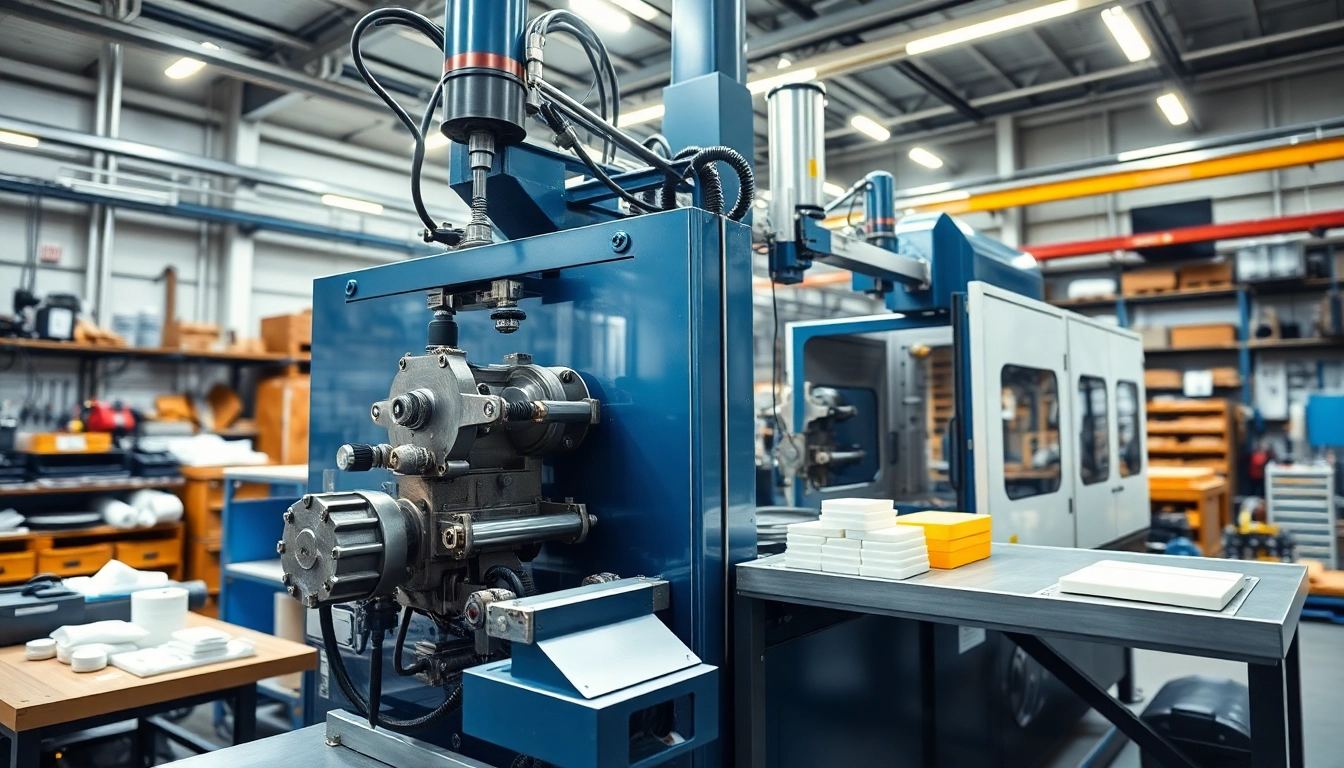
Understanding the mechanics of injection molding machines involves familiarizing oneself with several key components and processes. These machines comprise a hopper for feeding plastic pellets, a barrel with a screw for melting the pellets, a mold for shaping the melted plastic, and a hydraulic system for creating the pressure needed to inject the molten material into the mold.
The process can be broken down into several stages:
- Material Feeding: The plastic pellets are poured into the hopper and fed into the barrel.
- Melting: The screw rotates, pushing the pellets forward while heating them to the right temperature for melting.
- Injecting: Once the material reaches a specific viscosity, it is injected into the mold through a nozzle under high pressure.
- Cooling: The material cools and solidifies as it retains the mold shape.
- Ejection: The mold opens, and ejector pins push the finished part out of the mold.
Types of Injection Molding Machines
There are various types of injection molding machines, each tailored to specific applications and material types. The most common categories include:
- Hydraulic Injection Molding Machines: These machines utilize hydraulic power to operate, providing strength and flexibility for complex shapes.
- Electric Injection Molding Machines: Offering precision and efficiency, these machines use electric motors to control the movement of the screw and clamping system.
- Hybrid Injection Molding Machines: A combination of hydraulic and electric technology, these machines aim to balance power and efficiency, often used for energy-intensive applications.
Benefits of Using Injection Molding Machines
Injection molding machines provide a multitude of advantages, making them a preferred choice in manufacturing diverse products. Here are some key benefits:
Cost Efficiency in Production
Injection molding is widely recognized for its cost-efficiency, particularly in high-volume production. The upfront cost of developing molds can be significant; however, the unit cost per part decreases drastically as production scales. The speed and consistency of the process contribute to lower labor costs and reduced waste, ultimately enhancing profitability.
Increased Production Speed
The efficiency of injection molding allows for rapid production cycles, typically ranging from seconds to minutes to complete. This rapid cycle time significantly increases the output of manufactured parts compared to other processes, allowing companies to meet high demand with less downtime.
Design Flexibility and Precision
Injection molding machines are capable of producing intricate designs with high precision. This flexibility enables manufacturers to create complex geometries and fine details, which are often unattainable with alternative fabrication methods. Additionally, the use of multiple cavities in molds allows for simultaneous production of several parts, further enhancing design opportunities.
Common Challenges in Injection Molding
While injection molding machines offer numerous benefits, several challenges must be addressed to ensure optimal performance and product quality:
Material Selection Issues
The selection of appropriate materials for injection molding can be challenging due to the vast range of thermoplastics and their properties. Factors such as temperature resistance, tensile strength, and thermal stability must be considered, alongside cost implications. Improper material choice can lead to production inefficiencies and inferior product quality.
Cycle Time Optimization
Optimizing cycle times without sacrificing quality can be a delicate balance. Reducing cooling time may accelerate production but can also lead to warping, incomplete filling, or other defects. Implementing thermal analysis during the design phase and finely tuning machine settings can help achieve a more efficient cycle time.
Quality Control Challenges
Maintaining quality throughout the production process is crucial in injection molding. Variability in machine settings, material quality, and environmental factors can lead to defects in the final product. Implementing comprehensive quality control measures, such as process monitoring and statistical analysis, can help identify and rectify issues early in the process.
Best Practices for Operating Injection Molding Machines
To maximize efficiency and minimize challenges, adopting best practices for operating injection molding machines is essential:
Maintenance Strategies
Regular maintenance is critical to ensure the longevity and performance of injection molding machines. Implementing a preventive maintenance schedule that includes cleaning, lubrication, and inspection can minimize unexpected downtimes and repair costs. Familiarizing operators with common issues and maintenance protocols enhances the reliability of machine operations.
Operator Training and Safety
Proper training for operators is vital for ensuring safe and efficient machine operation. Understanding the mechanics of the machine, recognizing potential hazards, and adhering to safety protocols can significantly reduce the risk of accidents. Continuous training programs contribute to a skilled workforce that can adapt to new technologies and practices in injection molding.
Choosing the Right Mold Design
The mold design significantly impacts the efficiency and quality of the injection molding process. Engaging with experienced mold designers during the development phase to ensure optimal design can save time and resources. Factors such as the cooling system, gate placement, and venting should be carefully considered to enhance the overall production efficiency and part quality.
Future Trends in Injection Molding Technology
As technology advances, the landscape of injection molding is evolving. Here are some key trends shaping the future of this manufacturing process:
Advancements in Machine Technology
Continuous innovations in injection molding machines, such as the incorporation of enhanced automation, AI-driven processes, and smart sensors, are setting new benchmarks for efficiency and precision. These advancements allow for improved real-time monitoring and data analytics, enabling manufacturers to quickly identify and respond to production anomalies.
Sustainability and Green Practices
As environmental concerns grow, the injection molding industry is leaning towards sustainable practices. This includes the adoption of recyclable materials, energy-efficient machines, and waste reduction strategies. Companies are increasingly focusing on developing processes that minimize their ecological footprint while maintaining productivity and quality.
Integration with Industry 4.0
The move towards Industry 4.0 is transforming injection molding operations, driving the integration of smart manufacturing technologies. Through IoT devices and cloud computing, manufacturers can connect their machines and gather data to optimize processes, predict maintenance needs, and streamline supply chains. This interconnectedness leads to enhanced productivity and adaptability in an ever-evolving market.
In conclusion, injection molding machines represent a cornerstone of modern manufacturing, offering significant advantages through efficiency, cost-saving potential, and design capabilities. By understanding their operation, tackling common challenges, and employing best practices, manufacturers can leverage this technology to meet market demands while navigating the future of manufacturing with confidence.