Understanding Industrial Water Transfer Services
What Are Industrial Water Transfer Services?
Industrial water transfer services are specialized operations focused on the movement of water for various commercial applications. These services are critical in sectors such as construction, mining, oil and gas, and agriculture where water is necessary for processes like hydraulic fracturing, dust control, irrigation, and cooling in machinery. The goal of these services is to move large volumes of water efficiently and effectively to where it's needed, ensuring operations run smoothly and safely. Importantly, many companies rely on professional providers of industrial water transfer services to facilitate this intricate logistical challenge.
Key Applications in Various Industries
Water transfer is vital across numerous industries, each with unique requirements and challenges. For instance:
- Construction: Projects such as high-rise buildings often require significant quantities of water for concrete mixing and dust suppression. Efficient water transfer services mitigate delays, enable on-site usage, and support site safety.
- Mining: Mining operations require reliable water supplies for processing minerals and dust control. Water transfer services ensure a constant supply to support extended mining cycles.
- Oil and Gas: The hydraulic fracturing process is heavily dependent on large quantities of water. Transfer services play a crucial role in transporting water from tributary sources to well sites.
- Agriculture: Irrigation depends on timely water delivery to crops. Water transfer services enable farmers to efficiently distribute water across their fields, optimizing yield and resource use.
Challenges Faced in Water Transfer Operations
Despite the importance of water transfer services, various challenges can complicate operation:
- Logistical Complications: Determining the best routes and methods to transport water can be difficult, particularly in remote locations.
- Environmental Regulations: Navigating compliance with environmental regulations can impose additional burdens on operations, requiring meticulous planning and reporting.
- Equipment Reliability: The heavy-duty equipment used must be reliable under high stress; equipment failure can lead to costly downtime.
- Weather Conditions: Adverse weather can disrupt schedules and impact water availability, necessitating flexible strategies.
Essential Equipment for Industrial Water Transfer Services
Types of Equipment Used
The success of industrial water transfer operations hinges on utilizing the right types of equipment, including:
- Pumps: Centrifugal pumps are commonly used for their efficiency in transferring liquids over various distances. Submersible pumps can be useful for extracting water from deep sources, while diaphragm pumps are effective in high-pressure situations.
- Hoses: Specific grades of hoses, such as layflat or suction hoses, are essential for transporting water. Choosing the right hose material impacts flow rate and durability.
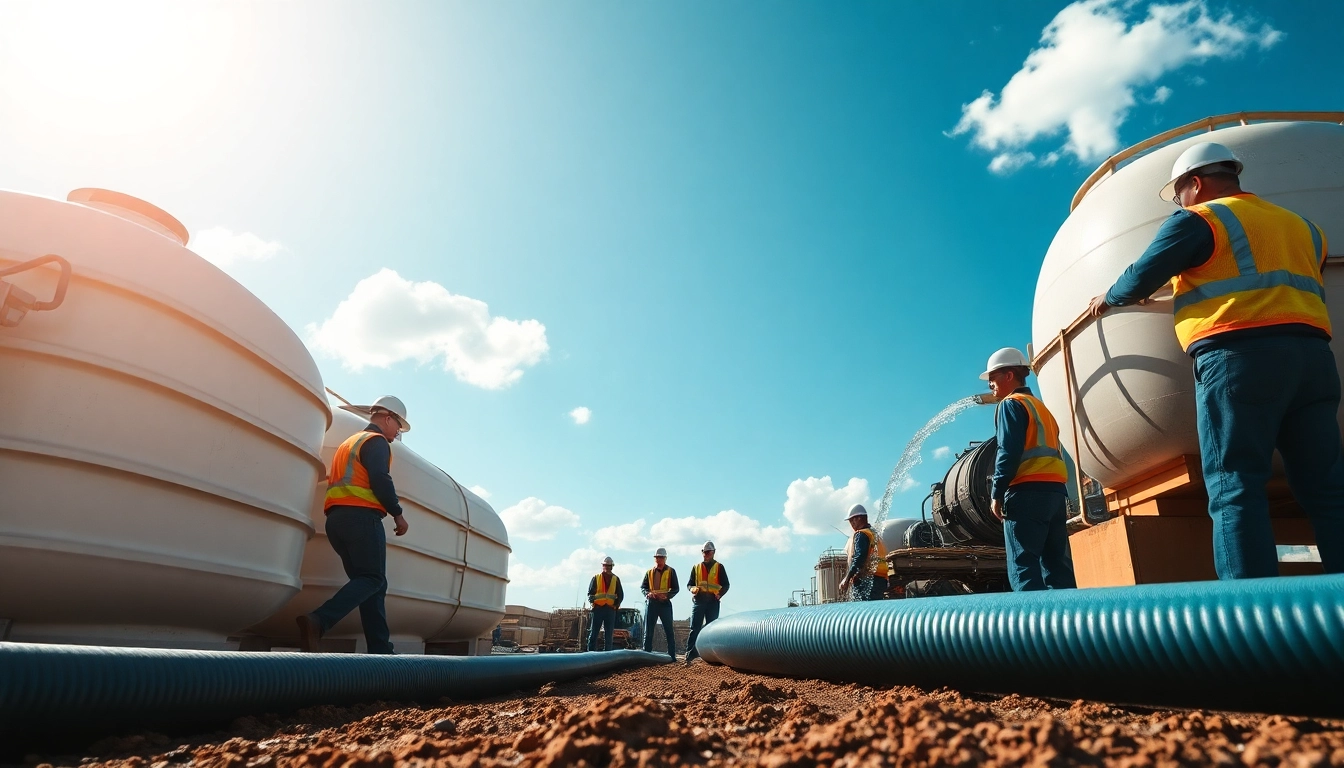
- Tanks: Storage tanks help manage water supply and regulate flow during transfer. These can range from portable tanks to large stationary tanks.
- Adapters and Fittings: Quality connectors facilitate the secure attachment of hoses and pumps, preventing leaks and ensuring safety during operations.
Choosing the Right Equipment for Specific Tasks
For optimal efficiency, it’s crucial to select appropriate equipment tailored to specific project requirements. Factors to consider include:
- Volume of Water: Determine the total water volume needed for the specific operation to select appropriately sized pumps and hoses.
- Distance of Transfer: The farther the water needs to be transported, the more pressure and flow capacity required from pumps.
- Type of Water: Freshwater, saltwater, and wastewater handling require different materials and equipment setups.
- Environmental Impact: Equipment that minimizes ecological disturbance is increasingly important in today’s regulatory environment.
Maintenance Best Practices for Longevity
To ensure the longevity and reliability of water transfer equipment, regularly scheduled maintenance is imperative. Key practices include:
- Routine Inspections: Regular checks to inspect hoses, pumps, and fittings for wear and tear can prevent unexpected failures.
- Cleaning: Clear your equipment from potential contaminants such as soil, algae, and other debris that may impair functionality.
- Lubrication: Ensure moving parts are well-lubricated according to manufacturer specifications to reduce wear and extend equipment life.
- Storage: Properly store equipment during off-peak periods to prevent damage from weather or misuse.
Best Practices for Water Transfer Operations
Planning and Logistics in Water Transfer
Effective planning is foundational to successful water transfer operations. This encompasses:
- Mapping Water Sources: Identifying all potential water sources, evaluating accessibility and regulations helps streamline operational planning.
- Resource Allocation: Strategically assign personnel and equipment to ensure optimal efficiency without overextending resources.
- Risk Assessment: Preemptively identify risks associated with operation sites and equipment use, and implement contingency measures.
Safety Measures and Regulations
Maintaining a safe operating environment is paramount in water transfer operations. Implement the following measures:
- Training: Ensure all operating personnel are properly trained in equipment use, safety protocols, and emergency response.
- Personal Protective Equipment (PPE): Mandate the use of appropriate safety gear, including boots, gloves, and goggles.
- Compliance: Stay updated and compliant with local, state, and federal regulations impacting water transfer operations.
Expert Tips for Efficient Operations
Those involved in industrial water transfer can benefit from several expert-recommended tips, such as:
- Invest in Quality Equipment: Choosing high-quality pumps and fittings improves reliability and reduces long-term costs.
- Utilize Technology: Implement GPS and tracking software to monitor equipment and water levels in real-time for enhanced operational efficiency.
- Regular Communication: Maintain constant communication among teams to address issues as they arise swiftly.
Measuring Performance in Industrial Water Transfer Services
Key Performance Indicators (KPIs)
Defining KPIs is crucial for assessing the effectiveness of water transfer operations. Key indicators can include:
- Flow Rate: Measuring the volume of water transported per hour can inform efficiency and identify optimal equipment.
- Downtime: Tracking the time lost due to equipment failure or logistics can reveal areas for improvement.
- Cost per Gallon: Calculating operational costs versus water volume transferred helps indicate the economic efficiency of services.
- Regulatory Compliance Rate: Monitoring adherence to necessary regulations confirms operational legitimacy.
Technological Innovations for Tracking
Innovative technologies are evolving the way water transfer operations track performance. Notable advancements include:
- IoT Devices: Sensors that capture real-time data on water levels, equipment status, and environmental conditions allow for informed decision-making.
- Software Solutions: Management software designed for logistics can streamline routing and resource allocation.
- Drones: Using drones for site surveys facilitates faster risk assessment and planning.
Analyzing Outcomes and Improving Services
Continual analysis ensures that operations can evolve and improve. Tactics for analysis include:
- Post-Operation Reviews: Conduct thorough assessments after project completion to identify what went well and areas for improvement.
- Feedback Loops: Gathering input from operators and clients can provide actionable insights for refining services.
- Data-Driven Decisions: To adapt and optimize operations based on metrics collected consistently, ensuring responsiveness to market demands.
Future Trends in Industrial Water Transfer Services
Sustainability in Water Transfer Solutions
As the demand for sustainable practices grows, industrial water transfer services are evolving by implementing eco-friendly solutions. Areas of focus include:
- Water Recycling: Designing systems to recycle and reuse water minimizes waste and sustains water sources.
- Low-Impact Equipment: Innovative low-impact pumps and hoses significantly reduce environmental footprints during operations.
- Partnerships with Environmental Organizations: Collaborating with environmental advocates can enhance compliance and boost public perception.
Impact of Technology on Services
The role of technology in transforming industrial water transfer services cannot be overstated. Key technological advancements include:
- Automation: Automation technologies streamline operations, allowing for faster and more reliable water transfer without significant manpower investment.
- Remote Monitoring: Systems that facilitate remote observation and management of water transfer processes ensure efficiency even from afar.
- Data Analytics: Developing analytic tools to interpret data from operations empowers better management and operational decisions.
Anticipating Industry Changes
The future of industrial water transfer services will demand adaptability to evolving market conditions and regulatory frameworks. Key anticipated changes include:
- Increased Regulation: Vigilance in adhering to stricter environmental regulations is likely; proactive adaptation is essential.
- Emergence of New Technologies: Continuous advancements will spur the development of more sustainable and efficient practices.
- Heightened Competition: Growing market participation will necessitate exceptional service delivery to maintain competitive advantages.