The Importance of Trade Show Displays in Marketing
In the competitive arena of business marketing, the significance of trade show displays cannot be overstated. These displays serve as a vital conduit for brand representation, communication with customers, and engagement strategies that drive potential leads. At their core, effective trade show displays not only showcase products and services but also embody the identity of the business, making them essential tools for any marketing strategy.
Driving Brand Awareness through Visual Appeal
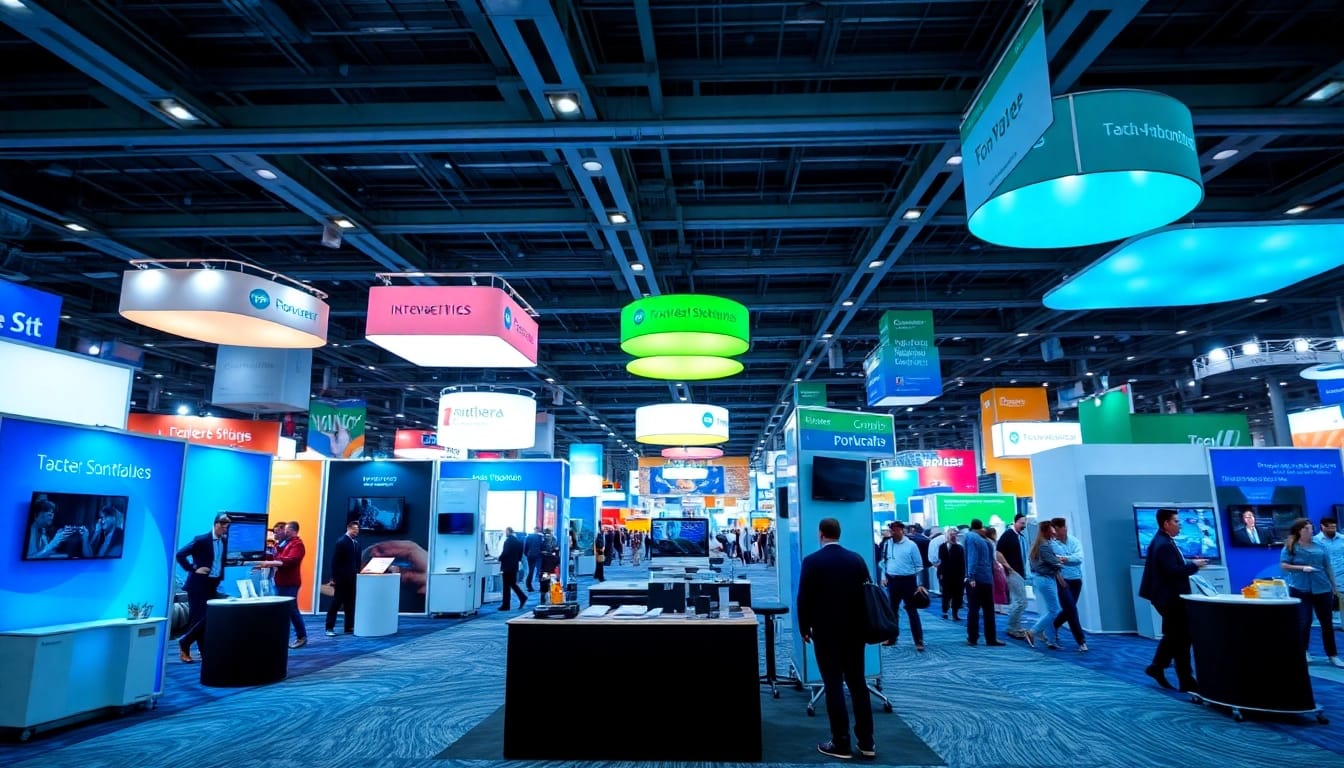
Visual appeal is foundational to drawing attention at trade shows. Businesses have mere seconds to distinguish themselves amidst a sea of competitors. A well-designed display combines elements like graphics, color schemes, and physical layout to convey a professional image and brand ethos. Professional and eye-catching designs capture attendees' interest and encourage them to interact with the booth. For instance, using bold colors and dynamic graphics can evoke emotional responses and strengthen brand recognition.
Moreover, effective branding extends beyond visuals. Engaging narratives woven into the display can give attendees a compelling reason to stop and learn more about the offering. Incorporating storytelling elements that align with the brand can forge deeper connections with prospective customers.
Engagement Strategies for Maximum Foot Traffic
Increasing foot traffic requires more than just visual appeal; it also relies on smart engagement strategies. For instance, interactive elements such as touchscreens, product demonstrations, and even engaging contests can incentivize interaction. Such experiences not only entertain attendees but also provide valuable insights into consumer preferences and behavior.
In addition, personalized interactions conducted by trained booth staff can enhance visitor experience. Engaging staff who are knowledgeable about the products create rapport with attendees and can effectively communicate the value of the offering. Ultimately, the goal is to create memorable interactions that prompt post-event follow-ups and foster long-term relationships.
Measuring ROI from Trade Show Displays
Understanding the return on investment (ROI) from trade show displays is critical for justifying the marketing budget. Businesses should implement metrics to measure performance, such as the number of leads generated, the quality of interactions, and sales made directly from the event. Surveys conducted during or after the event can provide qualitative feedback on brand perception and the effectiveness of displays.
Tools such as CRM platforms can also help track leads obtained from trade shows and monitor their conversion into actual sales. By analyzing this data, businesses can refine their approach and optimize their trade show displays for future events, ensuring meaningful engagement and financial success.
Types of Trade Show Displays: Choosing the Right Fit
Choosing the appropriate type of display is crucial for creating an impactful presence. Various options are available, ranging from portable displays to custom-designed setups, each with its own advantages.
Portable and Versatile Options for Flexibility
Portable displays are ideal for businesses needing flexibility and ease of setup. Options such as pop-up booths and table covers can be assembled quickly, making them suitable for events of varying sizes. They are also lightweight and easy to transport, a critical consideration for businesses that frequently participate in different trade shows.
An added benefit is the cost-effectiveness of portable displays. Many businesses can access high-quality, customizable portable displays at a lower price compared to custom-built booths. As a result, organizations on a budget can still present a professional image without sacrificing quality.
Custom Designs for Unique Brand Representation
For businesses seeking to convey a distinct brand identity, custom display designs are invaluable. Custom displays allow for precise control over aesthetics and can incorporate brand-specific colors, graphics, and themes that resonate with the target audience. These displays can also be tailored to fit specific booth dimensions, ensuring an optimized layout that maximizes visibility and engagement.
Employing skilled designers will help realize creative visions while ensuring that the displays effectively communicate the brand message. This investment can lead to a stronger brand presence and a lasting impact on attendees.
Cost Considerations: Budget-Friendly Choices
Understanding the budget for trade show displays is essential. While custom displays can signify higher initial costs, businesses should consider the long-term financial implications of their investment. Many options are available, including rental displays, which can mitigate upfront costs while allowing for dynamic presentations.
Additionally, setting clear objectives for what the trade show needs to accomplish can aid in selecting appropriate displays within budget. Prioritizing functional, engaging designs can ensure that the investment yields substantial returns without overspending.
Design Elements of Effective Trade Show Displays
Creating a standout display requires attention to various design elements, including aesthetics, technology usage, and layout.
Visual Aesthetics: Color and Theme Coordination
Effective use of color and themes can significantly influence visitor engagement. Colors evoke emotional responses: for example, blues tend to evoke trust, while yellows can create a sense of cheerfulness. Establishing a cohesive theme throughout the display can create a more immersive experience that resonates with the audience.
Consistency is key; from banners to brochures, every aspect of the display should echo the overall brand narrative. This cohesiveness speaks volumes about professionalism and can leave a lasting impression on potential customers.
Incorporating Technology for Enhanced Engagement
Today’s trade shows increasingly utilize technology to draw in attendees. Incorporating elements such as virtual reality (VR), augmented reality (AR), or interactive kiosks can create unique experiences and capture visitor attention. These technologies can facilitate engaging presentations that demonstrate product functionality or allow for virtual simulations.
Beyond engagement, using technology can streamline information capture, allowing visitors to subscribe for follow-ups or gain instant access to newsletters, product brochures, and exclusive content.
Prerequisites for Successful Layout and Space Utilization
A well-thought-out layout is essential for a functional display. Factors such as traffic flow, space utilization, and visual balance must be considered to ensure that the design encourages visitor movement throughout the booth. Open, inviting spaces can foster interaction, while cluttered or cramped setups can detract from the experience.
Additionally, adequate signage and clear navigation offers help create an inviting atmosphere. A well-placed layout optimized for accessibility can significantly enhance overall visitor experience and facilitate engagement.
Best Practices for Setting Up Trade Show Displays
Preparation is everything when it comes to setting up successful trade show displays. Proper planning can not only ease logistical headaches but also elevate the overall experience for attendees.
Pre-Event Planning and Logistics
Strategic pre-event planning is essential for execution success. Begin by setting clear objectives for the trade show presence, outlining what success looks like in terms of leads, visibility, and engagement. This groundwork will guide decisions regarding booth design, attendee engagement strategies, and resource allocation.
Furthermore, organizing logistics—that is, transportation, setup schedules, and staffing needs—ensures everything runs smoothly. Contingency planning for potential issues (such as equipment malfunctions) can help prepare for unforeseen complications that may arise.
On-Site Setup and Presentation Tips
On-site setup should be executed efficiently, with a predefined checklist to confirm that all elements are in place. Utilizing experienced crew members or contractors who are familiar with the display can ensure a smooth assembly process.
Presentation tips include maintaining an inviting demeanor, engaging passersby proactively, and creating a hospitable atmosphere with comfortable lounges or refreshment stations if possible. Demonstrating products effectively using staff can enhance the attendee experience, leading to stronger engagement.
Staff Training to Maximize Interaction
Investing in staff training is crucial for maximizing interactions at the booth. Staff representatives should be equipped with comprehensive knowledge about both the products and the company. They should also be trained to approach attendees with warmth and professionalism to foster genuine connections.
Role-playing different engagement scenarios can prepare staff for various interactions they might encounter, increasing their confidence in approaching individuals and facilitating conversations. The most successful setups always feature well-trained staff ready to engage with attendees meaningfully.
Post-Event Strategies Using Trade Show Displays
The work does not end with the conclusion of the trade show. To truly reap the rewards of prepared displays, businesses must implement post-event strategies that nurture leads and build relationships.
Follow-Up Engagement to Build Relationships
Following a trade show, prompt engagement with leads gathered at the event is vital. Effective follow-up strategies can include sending personalized emails, offering exclusive content, or coordinating follow-up meetings. Utilizing CRM tools can help segment leads and tailor messages based on their interests expressed during the event.
Additionally, gathering feedback through post-event surveys can facilitate better service offerings and enhance future trade show strategies.
Leveraging Feedback for Future Improvements
Feedback gathered from attendees can serve as a valuable asset for future events. Analyzing what resonated well and what elements fell flat enables businesses to enhance strategies continuously. It is beneficial to identify patterns in feedback that may indicate areas for improvement in future displays, presentation styles, or interaction strategies.
Creating Lasting Impressions Beyond the Event
Lastly, ensuring that the brand remains top-of-mind after the event is crucial. Send follow-up materials like informative newsletters or key product updates that keep the conversation going. Ensuring that attendees feel valued promotes long-term relationships and establishes brand loyalty well beyond the duration of the trade show.