Understanding the Basics of Home Renovation
Home renovation refers to the process of improving or altering parts of a home to enhance its functionality, aesthetics, and value. Whether you're looking to modernize outdated spaces, increase living area, or boost investment potential, a successful Home renovation involves careful planning and execution. This guide explores the fundamental elements of home renovation and provides valuable insights to ensure your projects meet your expectations.
Defining Your Goals for the Home Renovation
The first step in any home renovation should be defining your goals. Are you looking to create a more functional space, increase property value, or simply refresh the interior design? Identifying specific objectives will guide your decisions throughout the renovation process. Consider asking yourself the following questions:
- What issues are you hoping to resolve with this renovation?
- How long do you plan to stay in the home?
- What is your budget and desired return on investment?
- Are there particular styles or themes that resonate with you?
Having clear goals helps prioritize projects and focus on what matters most to you, ensuring that your renovation aligns with your vision.
Common Types of Home Renovation Projects
Home renovation projects can range dramatically in scope and scale. Here are some common types:
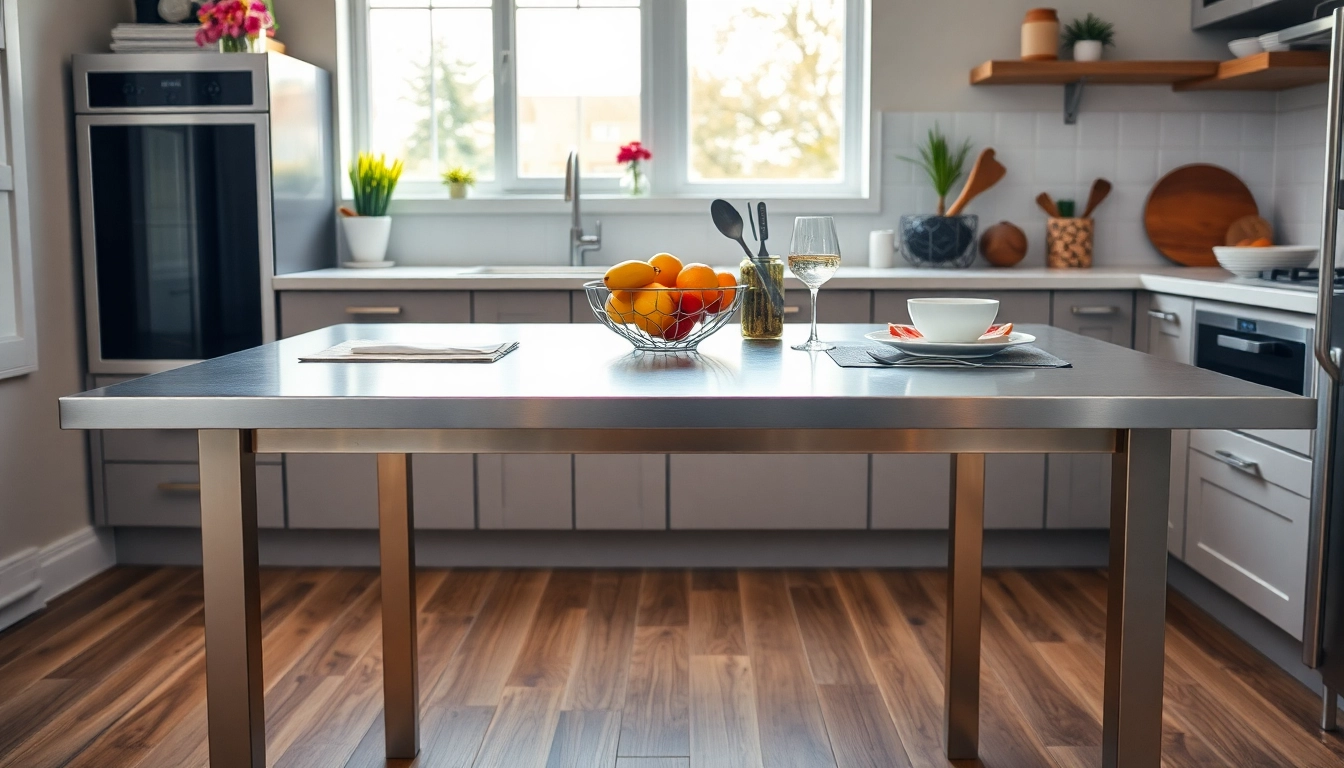
- Kitchens: A kitchen remodel can dramatically impact both functionality and aesthetics. Updating cabinets, countertops, and appliances often offers some of the best returns on investment.
- Bathrooms: Bathroom renovations can range from minor updates, like new fixtures, to full remodels that enlarge spaces or improve layouts. Luxurious upgrades, such as heated floors and aesthetically pleasing tiles, can enhance comfort and appeal.
- Basements: Finishing a basement not only adds usable living space but also increases the home’s overall value. Consider options such as home theaters or additional bedrooms.
- Whole-home renovations: Sometimes, it’s appropriate to renovate entire spaces, particularly if significant adjustments are necessary, such as layout changes or energy efficiency improvements.
Each project has unique considerations, so understanding the type of renovation you’re pursuing allows for targeted planning and better outcomes.
Essential Preparations Before Starting a Home Renovation
Before embarking on a renovation journey, thorough preparation is crucial. Key steps include:
- Research: Browsing design ideas and checking local permits can help ensure your project complies with regulations.
- Bidding process: Request quotes from multiple contractors to understand the market and choose one that fits your project needs.
- Understanding timelines: Be aware of how long renovations typically take and factor this into your planning, especially if living on-site during construction.
Without adequate preparation, renovations can quickly spiral out of control, leading to budget overruns and unexpected delays.
Planning Your Home Renovation
Creating a Comprehensive Home Renovation Budget
Budgeting is one of the most critical aspects of any home renovation. To create a realistic budget, consider the following elements:
- Materials: Account for the cost of all materials, including fixtures, flooring, cabinets, and paint.
- Labor: Factor in labor costs, which can be a significant portion of your budget. Getting quotations from professionals will help you gauge expected expenses.
- Contingency fund: It’s wise to set aside 10-20% of your total budget for unforeseen expenses that may arise during the renovation.
Being intentional about budgeting can minimize stress and frustration throughout the renovation process.
Choosing the Right Design and Style for Your Space
Design and style choices have a profound impact on the overall feel of your home. Key points to consider include:
- Consistency: Aim for a cohesive design language that flows well throughout the home. It can be jarring to have vastly different styles in adjacent spaces.
- Functional layouts: Ensure that the design enhances functionality. Open concepts may work well for entertaining, while traditional layouts might suit those needing privacy.
- Timelessness: While trends can be appealing, opt for choices that have longevity, both in style and material quality.
Creative design can elevate a home’s functionality and aesthetic appeal, making it essential to invest time in selecting the perfect concepts.
Setting a Realistic Timeline for Your Home Renovation
Establishing a timeline is crucial in keeping your renovation project on track. Here’s how to create an effective timeline:
- Prioritize tasks: Sort tasks in the order they should occur. For instance, structural work must precede cosmetic changes.
- Estimate durations: Provide time estimates for each task based on your research or quotes from contractors.
- Set milestones: Identify key phases in the project to assess progress and make adjustments as necessary.
A realistic timeline allows all parties to set expectations and schedules correctly, reducing the likelihood of frustration.
Execution: How to Successfully Oversee Your Home Renovation
Selecting Qualified Contractors for Your Home Renovation
Choosing the right professionals for your renovation project significantly influences its success. Evaluate potential contractors based on:
- Experience: Look for contractors who specialize in the type of renovation you’re planning.
- References: Ask for prior project examples and references to assess their work quality and reliability.
- Licenses and insurance: Ensure that your contractors carry the necessary licenses and insurance to protect you from future liability issues.
Careful selection of contractors ensures that your vision will be executed effectively and professionally.
Effective Communication with Your Renovation Team
Open communication is key during renovations. Here are ways to enhance communication:
- Regular updates: Schedule weekly sit-downs with your contractors to discuss progress, challenges, and upcoming challenges.
- Define roles: Clarify the responsibilities of each team member so that everyone understands their tasks.
- Use technology: Utilize project management tools to track progress and share information conveniently.
Strong communication fosters collaboration and ensures that all stakeholders are aligned throughout the renovation process.
Monitoring Progress and Adjusting as Necessary
Renovation projects seldom go exactly as planned. To keep everything on track, maintain vigilance through:
- Site visits: Regularly visit the site to evaluate the quality of work and ensure that it aligns with your vision.
- Performance reviews: Assess contractor performance through milestones and timelines. Be flexible in making adjustments as needed.
- Documenting changes: Keep records of all changes made during the renovation to understand their impacts on cost and time.
Proactive monitoring can prevent minor delays from escalating into major setbacks, ensuring your renovation remains on schedule and within budget.
Post-Renovation Considerations
Final Inspections and Quality Checks After Home Renovation
Once the renovation is complete, conduct thorough inspections to ensure everything meets your standards. Evaluate the following:
- Work quality: Check for defects in finishes, structural elements, and appliances to identify any required remedies.
- Compliance: Ensure that all work complies with local building codes and regulations.
- Final walkthrough: Organize a final walkthrough with your contractor to review work together before final payments are made.
By investing time in thorough finalizations, you can enjoy your renovated space with peace of mind.
Maintenance Tips to Preserve Your Newly Renovated Space
Protecting your investment requires ongoing maintenance. Implement these tips to sustain your newly renovated areas:
- Regular cleaning: Establish a cleaning routine that focuses on the specific materials used in your renovation to prolong their lifespan.
- Annual checks: Schedule annual inspections of critical systems such as plumbing, electrical, and HVAC, upgrading them as needed.
- Fix issues promptly: Address any damages or wear and tear immediately to prevent them from escalating into larger problems.
Proper maintenance will ensure that your renovations stay fresh and functional for years to come.
Gathering Feedback and Reflecting on the Home Renovation Experience
Post-renovation, it’s crucial to reflect on your experience to apply insights to future projects. Consider:
- What worked well: Identify the aspects of the renovation process that were particularly successful.
- What could improve: Analyze any obstacles encountered and explore how they might be avoided in the future.
- Client satisfaction: Gather feedback from household members about their new space and its functionality.
This reflection not only helps in maintaining the current space but also equips you with knowledge for any future renovations.
Innovative Ideas to Enhance Your Home Renovation
Incorporating Eco-Friendly Materials in Home Renovation
As sustainability becomes increasingly paramount, eco-friendly materials in home renovations are gaining traction. Consider these options:
- Recycled materials: Utilize reclaimed wood or recycled metal to reduce new resource consumption.
- Low-VOC paints: Opt for paints that emit fewer volatile organic compounds to improve indoor air quality.
- Energy-efficient fixtures: Incorporate energy-efficient lighting and appliances to lower electricity bills.
Implementing eco-friendly elements into your renovations not only helps the environment but can also enhance property value.
Using Technology to Streamline the Home Renovation Process
Technology can greatly enhance efficiency during renovations. Explore these innovative tools:
- 3D modeling software: Use visualization tools to draft floor plans and design concepts, making it easier to visualize the end result.
- Project management apps: Implement apps designed for tracking budgets, schedules, and communication to keep everything organized.
- Smart home integration: Consider incorporating smart technology into renovations to increase modern functionality.
Leveraging technology during renovation can facilitate project management and improve overall outcomes significantly.
Creative Design Trends to Consider for Your Home Renovation
Staying informed of design trends can infuse your renovation with unique character. Here are some exciting trends:
- Minimalism: A focus on simplicity continues to dominate many design choices, allowing spaces to feel larger and less cluttered.
- Biophilic design: Integrating nature in design, through plantings or natural light, promotes well-being and reduces stress.
- Multifunctional Spaces: With more people working from home, multifunctional rooms that adapt to various needs are becoming increasingly relevant.
Incorporating these trends can make your newly renovated space not only more functional but also more in tune with modern living.