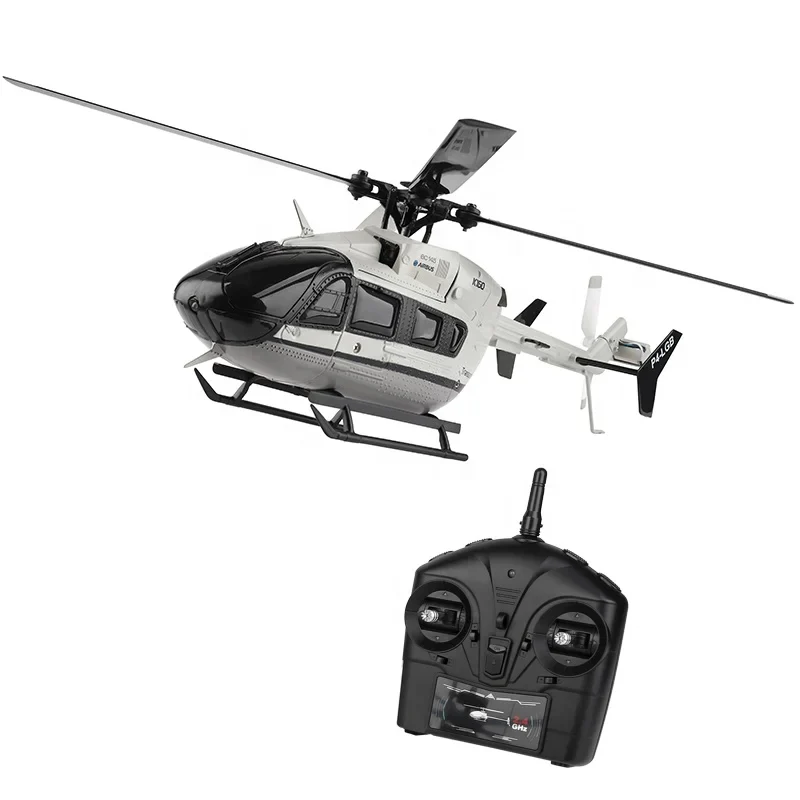
Introduction to rc helicopter
The realm of remote-controlled (rc) aircraft has captivated enthusiasts and hobbyists for decades. Among these marvels, the rc helicopter stands out as one of the most thrilling models available. These versatile flying machines offer everything from exhilarating stunts to peaceable flying experiences, combining technology and artistry in a single package. This article will delve into various aspects of rc helicopters, from understanding their mechanics to mastering flying techniques and maintenance practices.
What is an rc helicopter?
At its core, an rc helicopter is a miniature aircraft that utilizes rotary wings to generate lift and control. These helicopters come in different configurations, sizes, and features that cater to various flying styles and skill levels. From tiny indoor models to larger, outdoor beasts capable of impressive maneuvers, each type presents its own unique set of challenges and rewards for the pilot.
How rc helicopter works
The basic mechanism behind rc helicopters involves a series of rotating blades that produce lift. Generally speaking, the rotor system consists of two main parts: the main rotor blades and the tail rotor. The main rotor blades create lift by spinning around a central hub, while the tail rotor counteracts the helicopter's rotation caused by the main rotor. Controls are linked to the pilot's transmitter, allowing for altitude, direction, and speed adjustments. Sophisticated electronics also enhance stability and provide additional features such as gyroscopic stabilization, making flying easier for beginners.
Types of rc helicopter available
Understanding the different types of rc helicopters is essential for anyone looking to explore this hobby. The three main types include:
- Collective Pitch Helicopters: These feature variable pitch on the rotor blades, allowing for intricate maneuvers and stunts. They are typically favored by experienced pilots.
- Fixed Pitch Helicopters: These have a constant pitch angle and are generally easier to fly, making them ideal for beginners.
- Scale Helicopters: These are designed to resemble full-sized helicopters in appearance and performance. They range from beginner to advanced levels.
Choosing the Right rc helicopter
Selecting the right rc helicopter is key to ensuring a rewarding and enjoyable flying experience. With numerous models on the market, making an informed choice can greatly enhance your hobby.
Factors to consider when buying
When shopping for the perfect rc helicopter, consider the following factors:
- Skill Level: Newcomers may want to start with a less complex, user-friendly model, while experienced pilots might seek higher-performance options.
- Indoor vs. Outdoor Use: Some helicopters are designed for confined spaces, while others are built to endure outdoor conditions.
- Budget: Prices can vary greatly, so establishing a budget beforehand helps narrow your options. Don’t forget maintenance costs, too!
- Battery Life: Evaluating the battery duration can significantly affect your flying time and overall enjoyment.
- Durability: Models constructed with sturdy materials can withstand crashes and rough landings better than others.
Top features of quality rc helicopters
Quality rc helicopters boast several noteworthy features that enhance the flying experience:
- Gyroscopic Stabilization: This feature automatically compensates for the helicopter's orientation, making flying smoother and more manageable.
- High Torque Motors: Strong motors provide better lift and responsiveness, essential for agile flying and stunts.
- LED Lights: Not only do these lighting features improve visibility in low light, but they also add an aesthetic touch.
- Easy Assembly: User-friendly designs simplify the assembly process and ensure you spend more time flying than building.
Beginner-friendly options
New flyers should consider models that offer stable performance and are easier to control. Here are some great options that are beginner-friendly:
- Blade mCX2: This micro helicopter is designed with a durable structure, perfect for indoor flying and easy to maneuver.
- SYMA S107: A ready-to-fly model that comes fully assembled, allowing beginners to jump right into flying.
- Align T-Rex 200: Compact yet powerful, this helicopter offers stable flight characteristics, making it suitable for newcomers.
Basic Flying Techniques for rc helicopter
Before you take to the skies, understanding basic flying techniques is crucial for mastering your rc helicopter.
Understanding control functions
Learning the control functions of your helicopter is essential for smooth operation. The primary controls include:
- Throttle: Increases or decreases altitude.
- Yaw: Rotates the helicopter left or right.
- Pitch: Tilts the helicopter forward or backward to move in those directions.
- Roll: Tilts the helicopter side to side for lateral movement.
Pre-flight checklist
Conducting a pre-flight checklist helps reduce the risk of accidents and mechanical failure. Here’s a quick checklist:
- Inspect the helicopter for any damage.
- Check battery levels for both the helicopter and transmitter.
- Verify the control links are fully operational.
- Test the range to ensure all controls are responsive.
Common beginner mistakes
Even experienced rc pilots made basic errors when starting. Here’s what to avoid:
- Ignoring the wind: Flying in high winds can lead to loss of control.
- Over-controlling: Beginners may tug too hard on the controls, resulting in erratic flight.
- Neglecting to practice: Regular practice is essential for developing flying skills.
Advanced Flying Techniques for rc helicopter
Once you’ve grasped the basics, advancing your skills becomes an exciting journey. With practice, you can master stunts and develop exceptional flying prowess.
Stunts and aerial maneuvers
Executing stunts and aerial maneuvers can set you apart as a skilled pilot. Some popular stunts include:
- Barrel Rolls: Rotating the helicopter along its longitudinal axis.
- Looping: Flying the helicopter in a full circular ascent and descent.
- 3D Maneuvers: Advanced techniques that include flips and rolls that require excellent control.
Improving flight stability
Stable flights enhance the experience and showcase your skills. Techniques to improve flight stability include:
- Utilizing gyroscopic stabilizers to manage movement.
- Practice fine-tuning control inputs for smoother transitions.
- Regularly checking the helicopter for any loose components.
Customizing performance
For those looking to upgrade, customizing your rc helicopter can optimize performance. Options include:
- Adjustable rotor blades to fine-tune lift and drag.
- Upgrading motors for enhanced speed and torque.
- Installing advanced electronics for better responsiveness.
Maintenance and Troubleshooting for rc helicopter
Proper maintenance ensures that your rc helicopter remains in top condition, allowing for consistent performance and longevity.
Regular maintenance practices
Routine maintenance can prevent many common issues:
- Regularly clean the rotor blades and body to remove debris.
- Check battery connections and charge levels before flying.
- Inspect motor components for signs of wear or damage.
Troubleshooting common issues
Even with the best maintenance, issues can arise. Here are some common problems and solutions:
- Unresponsive Controls: Check battery levels, and ensure connections are secure.
- Poor Stability: Adjust the gyroscopic settings or tighten loose components.
- Short Flight Time: Replace old batteries or invest in a higher-capacity unit.
When to seek professional help
If you've tried troubleshooting and the issue persists, it's time to consult a professional. Signs that you may need expert assistance include:
- Inconsistent performance that can't be solved through adjustments.
- Physical damage that affects flight capability.
- Unusual motor noises or smells that indicate underlying issues.
FAQs about rc helicopter
What is the best rc helicopter for beginners?
The best options are those that are easy to control, like the Blade mCX2 or SYMA S107, which offer stability and require minimal assembly.
How long can rc helicopters fly on one charge?
Flight times typically range from 6 to 20 minutes depending on the model and battery capacity, with larger helicopters tending to have longer durations.
Can I fly an rc helicopter in the wind?
Flying in light wind is usually acceptable, but high winds can hinder control and stability, especially for smaller models.
How do I fix a crash-damaged rc helicopter?
Assess the damage, replace broken parts, and ensure everything is securely reassembled. Regular maintenance can minimize such issues.
Are rc helicopters used for professional purposes?
Yes, rc helicopters are employed in various sectors, including photography, surveillance, and drone racing, showcasing their versatility.