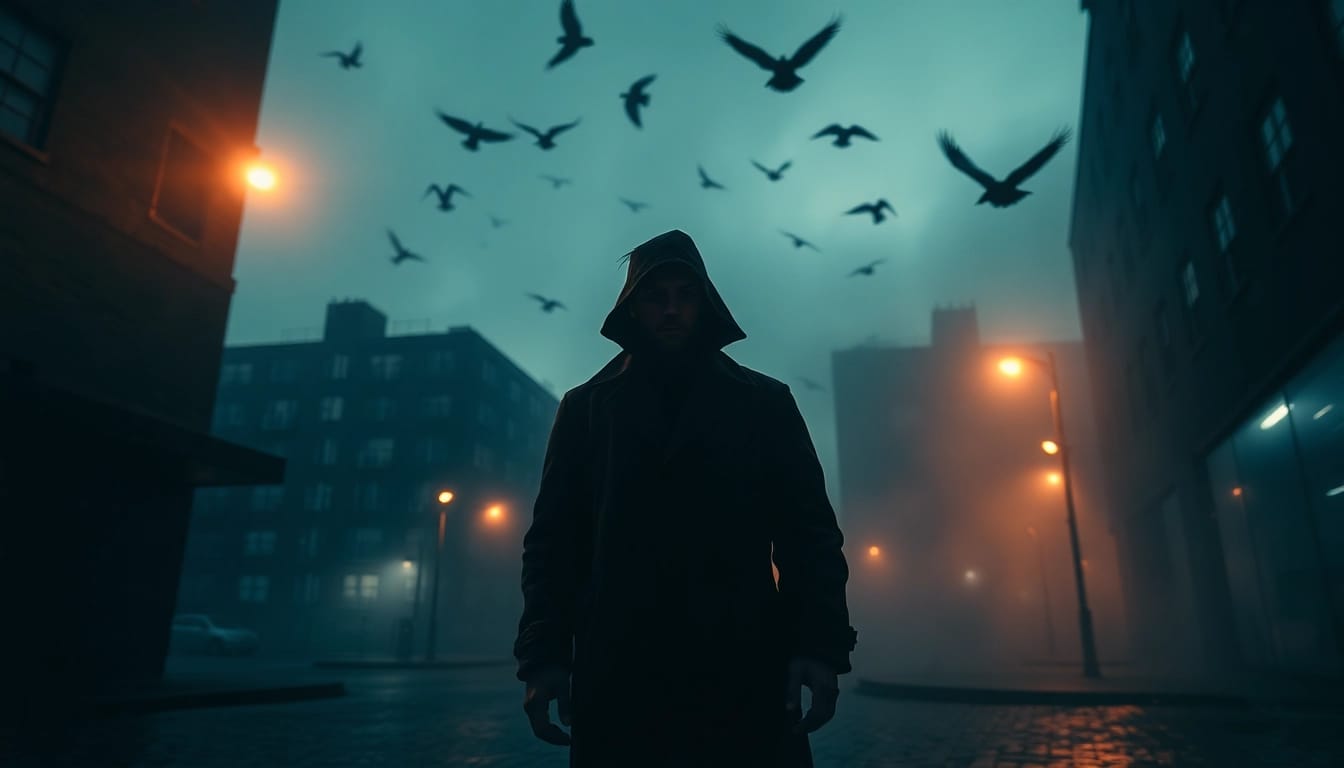
Understanding the Thriller Genre
The world of storytelling thrives on tension, excitement, and the unexpected, making the thriller genre a resourceful playground for both authors and filmmakers. A thriller isn't merely a narrative; it is an intricate dance of suspense, artfully weaving emotions that resonate with an audience’s deepest instincts for fear, anticipation, and adrenaline. Great thrillers captivate their audiences from the opening scene, driving them to experience an emotional rollercoaster alongside the characters involved. If you are eager to explore this riveting genre, you can dive deeper into the essence of a Thriller through an array of storytelling techniques and character dynamics.
Defining Thriller: Characteristics and Themes
Thrillers engage readers and viewers alike through a blend of suspenseful narratives and exhilarating emotional stakes. The defining characteristics of a thriller often include:
- Tension and Suspense: These are the driving forces that keep audiences on the edge of their seats. Safe circumstances gradually escalate into perilous situations, leading to heightened suspense.
- Intriguing Plots: Complex plots filled with unexpected twists and turns create an atmosphere of mystery that makes thrilling stories captivating.
- High Stakes: The consequences for protagonists can range from personal loss to life-and-death scenarios, elevating the tension throughout the narrative.
- Realism: Many thrillers incorporate real-world elements to create believable scenarios and characters, adding to the immersion and emotional impact.
The Evolution of Thriller in Literature and Film
The evolution of thrillers traces back to the early days of storytelling, with roots found in classic Gothic literature. Iconic works like Edgar Allan Poe's "The Tell-Tale Heart" and Mary Shelley's "Frankenstein" introduced themes of psychological tension and fear that would become staples in later thrillers. The genre gained immense popularity in the 20th century, particularly with the advent of film. Alfred Hitchcock, often dubbed the "Master of Suspense," evolved the thriller into a cinematic phenomenon with films like "Psycho" and "Rear Window," which utilized innovative techniques to generate suspense.
As technology and societal fears coalesced, the genre transformed, giving rise to sub-genres like psychological thrillers, legal thrillers, and techno-thrillers, each offering unique angles on suspense and narrative structure. Today, the thriller genre spans literature, film, and television, appealing to a wider audience with an increasing focus on character-driven stories.
Sub-genres of Thriller: Exploring Different Styles
Thrillers encompass a variety of sub-genres, each tailored to specific thematic elements and narrative styles. Notable sub-genres include:
- Psychological Thriller: These narratives delve into the minds of characters, exploring mental states, fears, and motives. Films like "Se7en" exemplify this fusion of suspense and psychological complexity.
- Action Thriller: Rapid-paced and filled with high-stakes conflicts, action thrillers focus on over-the-top sequences and sensational adventure, akin to films like "Die Hard."
- Legal Thriller: Centered around courtroom drama, these thrillers often feature lawyers and intricate legal plots, depicting the tension and moral dilemmas faced within the justice system, as seen in "A Few Good Men."
- Techno-thriller: Leveraging advancements in technology and science, these stories explore the implications of technology on society and personal lives, often with a cautionary tone.
Crafting Compelling Characters in Thrillers
The heart of any captivating thriller lies in its characters—flawed, complex, and often dangerous. The ability to craft relatable protagonists and enigmatic antagonists can significantly impact a thriller’s effectiveness. Understanding the nuances of character development is crucial for writers aiming to create an engaging story.
Creating Relatable Protagonists
A relatable protagonist is essential for pulling audiences into the narrative. This character often embodies traits that resonate with readers, such as vulnerability, resilience, or a quest for justice. For example, Lisa Gardner's novels frequently feature protagonists with personal demons, reflecting their struggles while facing external threats. The key is to foster empathy by allowing readers to witness the protagonist’s vulnerabilities alongside their strengths.
Understanding the Antagonist's Role
The primary antagonist serves as a formidable obstacle to the protagonist’s goals, driving the narrative conflict. Crafting a robust antagonist involves ensuring that their motives are clear and compelling. Ambiguous villains, like those in Gillian Flynn’s "Gone Girl," plunge audiences into moral complexities, creating tension and intrigue. The depth of character behind the antagonist can often enhance the thrills by intensifying the stakes for the protagonist.
Developing Secondary Characters for Depth
Secondary characters in thrillers can enrich the story, offering alternate perspectives and additional conflict. Characters, such as allies, red herrings, or bystanders, can serve crucial purposes. For instance, the inclusion of a reluctant ally can provide both assistance and tension throughout the story, while a misleading character can shift plots in unexpected directions. Balancing these characters ensures that the narrative remains dynamic and engaging.
Building Tension and Suspense in Thrillers
The art of building tension is crucial in providing an enthralling experience that keeps audiences engaged. The narrative must pulse with energy, gradually elevating the stakes as the story unfolds. Numerous techniques exist to achieve this, maintaining a grip on the audience until the very last moment.
Techniques for Creating Suspenseful Narratives
Effective suspense hinges on the careful pacing and placement of information within a narrative. Writers can utilize techniques such as:
- Misdirection: Leading the audience towards certain expectations before subverting them with unforeseen turns keeps readers engaged and hungry for answers.
- Fragmented Information: Presenting information gradually allows tension to grow as characters (and readers) piece together critical clues or revelations.
- Parallel Storylines: Weaving together multiple perspectives or timelines can create a rich tapestry that amplifies tension, as seen in narratives like "The Girl on the Train."
Effective Pacing and Timing
The rhythm of a thriller is essential. Authors must balance action-packed sequences with quieter, introspective moments that allow audiences to process information. This ebb and flow are vital in crafting a gripping narrative arc. For instance, rapid dialogue can lead into slow moments of reflection, allowing the audience to digest critical plot twists.
The Role of Cliffhangers and Twists
Seamless integration of cliffhangers—as sudden revelations or events that conclude chapters—can propel the audience to continue reading. Unexpected plot twists can also elevate the drama, fostering a sense of unpredictability. Best-selling novels often employ these techniques, with narrative pivots that leave readers guessing until the last possible moment.
Setting the Scene: The Importance of Atmosphere in Thrillers
No thriller can successfully engage audiences without a meticulously crafted setting that enhances the mood and reinforces thematic elements. Atmosphere plays a critical role in how the story unfolds, immersing readers in the narrative.
Utilizing Environment to Enhance Mood
Location can serve as a character in and of itself, providing context and amplifying the stakes. Dark alleys, remote cabins, or bustling urban centers can evoke distinct emotions, setting the tone for the unfolding drama. For example, Harlan Coben often uses suburbia’s façade to create an unsettling atmosphere that contrasts with the dark events of his plots, deepening the suspense.
Symbolism and Foreshadowing
Effective use of symbolism and foreshadowing can subtly pave the way for forthcoming events while enhancing narrative depth. Foreshadowing allows authors to sprinkle hints throughout the story, creating a cohesive experience that rewards attentive readers. For instance, utilizing specific colors or objects can evoke emotions or symbolize deeper themes intertwined with the plot.
The Impact of Sound and Music in Thrilling Experiences
In film, sound design plays a pivotal role in creating an immersive experience that heightens tension and intrigue. The right music can amplify emotional undercurrents, guide audience reactions, and amplify feelings of fear or exhilaration. In literature, authors can capture similar effects through descriptive language that evokes sensory experiences, allowing readers to engage not only visually but also emotionally.
Analyzing Successful Thrillers: Lessons from the Best
Studying successful thrillers can provide valuable insights into crafting effective narratives. A close examination of iconic thrillers reveals the techniques that contribute to their enduring popularity and critical acclaim.
Case Studies of Iconic Thrillers
Analyzing standout examples such as "The Silence of the Lambs," "Gone Girl," and "The Girl with the Dragon Tattoo" showcases a combination of compelling characters, intricate plots, and crafted tension that defines compelling storytelling. Each of these films embodies the elements of effective suspense, along with strong protagonists and multifaceted antagonists that leave a lasting impression on audiences.
Common Mistakes to Avoid in Crafting Thrillers
Although writing a thriller may seem straightforward, several pitfalls can hinder the effectiveness of a narrative. Common mistakes include:
- Over-reliance on clichés: Addressing familiar tropes without providing unique spins can lead to predictability, diminishing suspense.
- Weak character motivations: Failing to sufficiently explain characters’ actions diminishes their believability. Clear motives amplify empathy and engagement.
- Pacing issues: Inconsistent pacing can produce unbalanced narratives, either moving too quickly or dragging in suspense-deficient areas.
Tips for Aspiring Thriller Writers
For those embarking on the journey of writing thrillers, the following tips can aid in crafting compelling narratives:
- Start with a hook: Draw your audience in within the first few pages, as a strong opening can be pivotal for engagement.
- Show, don’t tell: Use descriptive language, action, and dialogue to reveal character emotions and reactions rather than simply stating them.
- Iterate and Edit: Writing is rewriting. Seek constructive feedback and revise thoroughly to enhance clarity, tension, and character depth.