Understanding Structural Steel Fabrication
Defining Structural Steel Fabrication
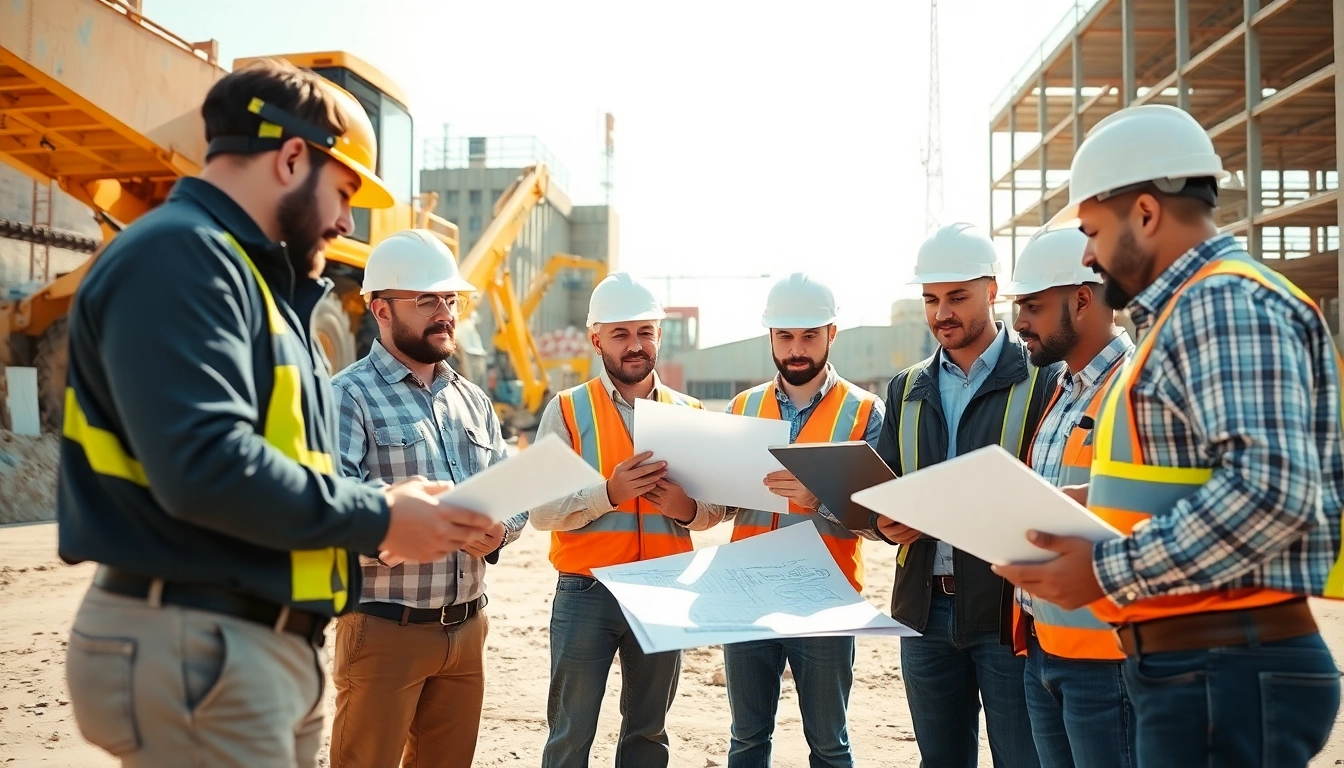
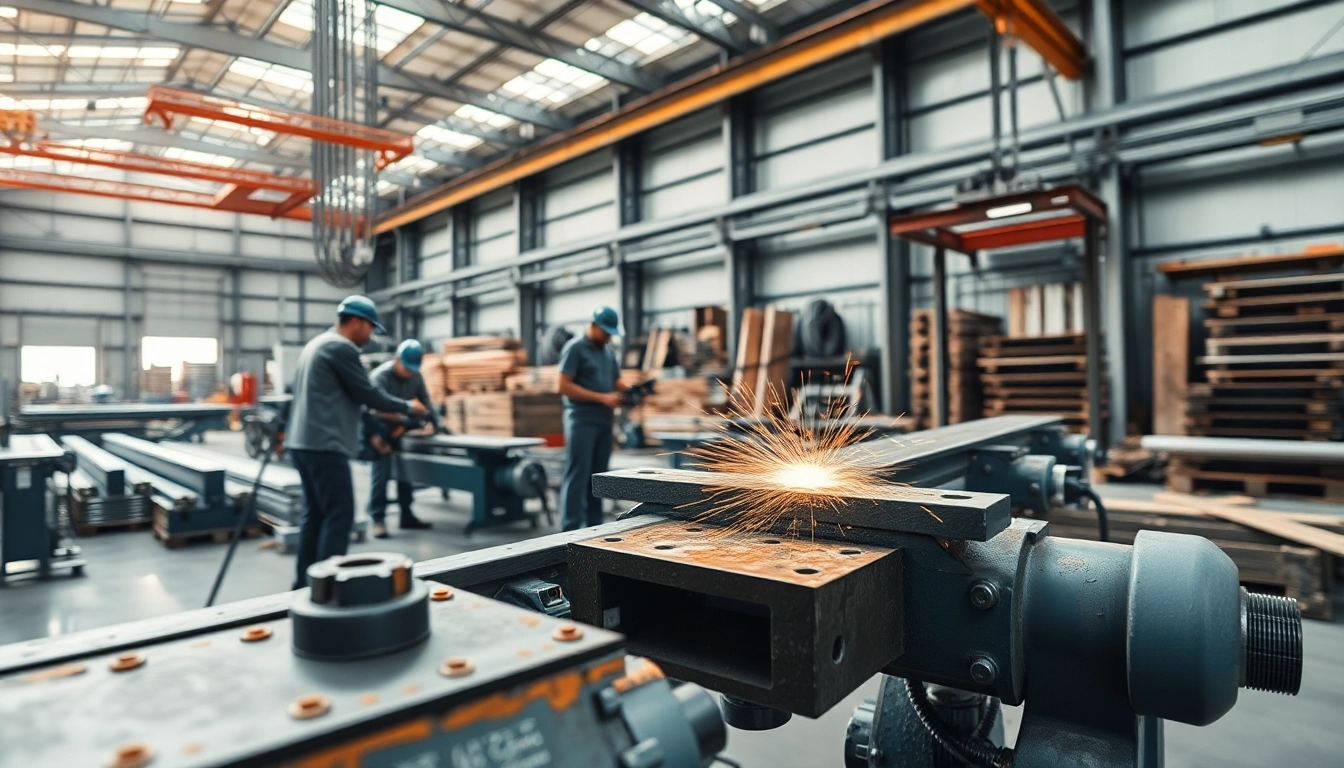
Structural steel fabrication is the process of transforming raw steel materials into completed structural components essential for various types of construction projects, including buildings, bridges, and other infrastructures. It encompasses multiple processes such as cutting, bending, welding, and assembling steel to meet specific design requirements and engineering specifications. This specialized practice ensures that the structural elements are strong, durable, and reliable, forming the backbone of any construction endeavor.
Importance in Construction
The significance of structural steel fabrication in the construction industry cannot be overstated. The strength and flexibility of steel make it ideal for constructing everything from skyscrapers to bridges. Structural steel offers a high strength-to-weight ratio, allowing for taller buildings and longer spans. This fabrication process is crucial in delivering reliable structural performance while adhering to safety and design standards, ultimately impacting the project's sustainability and lifespan.
Key Terminology in Structural Steel Fabrication
Understanding the terminology associated with structural steel fabrication is vital for anyone involved or interested in the field. Here are a few key terms:
- Beam: A structural element that primarily resists bending.
- Column: A vertical structural element that transmits load from above to lower supports.
- Welding: The process of joining two steel pieces by melting and fusing them.
- Assembly: The act of putting together various fabricated parts to form a complete structure.
- Fabricator: A company or individual that specializes in the fabrication of structural steel materials.
The Fabrication Process Explained
Steps in Structural Steel Fabrication
The structural steel fabrication process can be categorized into several key steps, ensuring accuracy and efficiency throughout:
- Design and Engineering: Before fabrication begins, detailed designs and engineering plans are prepared to specify material types and sizes, load requirements, and other critical factors.
- Material Procurement: Raw materials are sourced according to the specifications, including various grades of steel tailored to the project's needs.
- Cutting: Steel sheets, plates, and beams are cut down to the required sizes using methods such as plasma cutting, saw cutting, or torch cutting.
- Bending: Certain components are bent to create the necessary shapes through processes like press braking or roll bending.
- Welding: Components are joined together using various welding techniques to create strong and durable connections.
- Assembly: The completed parts are assembled into larger sections or modules, ready for transportation to the site.
- Finishing: The fabricated steel is finished with protective coatings to prevent corrosion and enhance durability.
Common Techniques Used
Several techniques are employed within the structural steel fabrication process, ensuring optimum quality and efficiency:
- Laser Cutting: Utilizes focused lasers to achieve precise cuts, making it especially effective for intricate designs.
- Waterjet Cutting: This method uses high-pressure water jets mixed with abrasives to cut through thick materials without generating heat, preserving the steel’s structural integrity.
- Welding Techniques: Methods like MIG (Metal Inert Gas), TIG (Tungsten Inert Gas), and Stick welding are commonly employed in joining steel pieces.
- Drilling and Punching: Holes are drilled or punched into steel components for bolting connections, facilitating the assembly process.
Safety Measures in Steel Fabrication
Safety is paramount in structural steel fabrication. Employers must implement rigorous safety protocols to protect workers and ensure compliance with industry standards. Key safety measures include:
- Personal Protective Equipment (PPE): Ensuring workers are equipped with helmets, gloves, safety glasses, and ear protection while on the job.
- Training: Regular training sessions for employees about safe practices and emergency procedures.
- Equipment Safety: Regular inspections and maintenance of machinery to prevent accidents related to equipment failure.
- Hazardous Materials Handling: Proper training in handling hazardous materials, such as welding fumes and chemicals used in surface treatments.
Quality Control in Structural Steel Fabrication
Essential Standards and Certifications
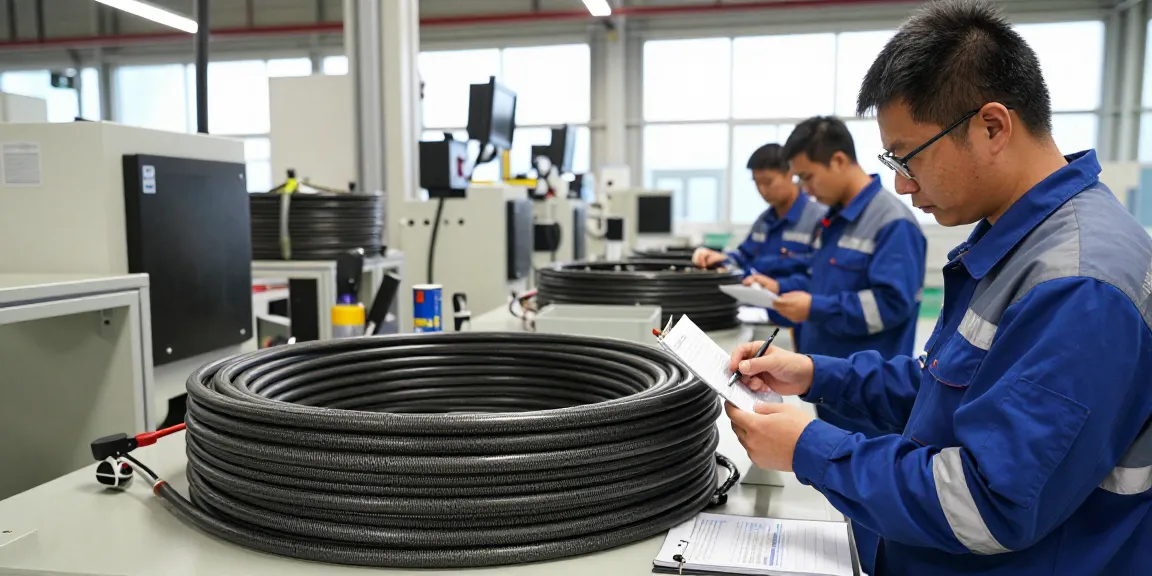
Quality assurance is crucial in structural steel fabrication to ensure the strength and durability of the end products. Essential standards such as the American Institute of Steel Construction (AISC) and the American Welding Society (AWS) set guidelines for best practices. Certifications like ISO 9001 showcase a fabricator's commitment to quality management systems, enhancing trust and reliability among clients.
Inspection Processes Explained
Inspection during the fabrication process helps organizations maintain quality. Typically, inspections include:
- Incoming Material Inspection: Ensuring that raw materials meet specified standards.
- In-Process Inspection: Regular checks during various fabrication stages to identify any discrepancies early.
- Final Inspection: A comprehensive evaluation of the finished products before delivery, ensuring they adhere to design specifications.
Maintaining Quality Throughout Production
To maintain high-quality standards, it is essential to establish a culture of quality at every production stage. This can be achieved through:
- Employee Engagement: Involving employees in quality initiatives enhances dedication to quality and precision.
- Regular Audits: Conducting routine audits helps identify areas for improvement in processes and product quality.
- Feedback Mechanisms: Creating avenues for feedback from clients and employees to regularly refine processes and standards.
Innovations in Structural Steel Fabrication
Emerging Technologies in Fabrication
Advancements in technology are revolutionizing structural steel fabrication. Notable innovations include:
- Robotic Automation: The use of robots for welding and cutting enhances precision and reduces labor costs.
- 3D Printing: This technology is emerging for prototyping and producing complex steel structures and parts efficiently.
- Building Information Modeling (BIM): Incorporating BIM into the fabrication process enhances collaboration and improves project management through 3D modeling and real-time updates.
Sustainability Practices in Steel Fabrication
With growing concerns over environmental impacts, sustainable practices in steel fabrication are becoming increasingly important. These include:
- Recycling Steel: Utilizing recycled steel reduces waste and the demand for virgin materials, aligning with sustainability goals.
- Energy Efficiency: Implementing energy-efficient processes and machinery minimizes energy consumption during production.
- Eco-friendly Coatings: Using less toxic surface treatments and finishes contributes to lower environmental impacts.
Future Trends to Watch
The future of structural steel fabrication is poised for exciting developments, including:
- Smart Manufacturing: Integration of IoT devices for real-time monitoring of equipment performance, enhancing efficiency.
- Advanced Material Science: Research into alternative steel compositions and lightweight materials may yield stronger and more sustainable options.
- Digital Twins: Creating digital twins of fabrication processes can facilitate predictive maintenance, enhancing operational efficiency.
Challenges and Solutions in Structural Steel Fabrication
Common Challenges Faced in Fabrication
As a complex process, structural steel fabrication comes with inherent challenges, including:
- Material Costs: Fluctuations in steel prices can significantly impact project budgets.
- Labor Shortages: Finding skilled labor for specialized tasks continues to be a persistent challenge.
- Regulatory Compliance: Adhering to a myriad of regulations requires continuous monitoring and adjustments to processes.
Effective Solutions and Best Practices
To address the challenges in structural steel fabrication, the following strategies can be effective:
- Cost Management: Establishing long-term contracts with suppliers can provide cost stability and better budgeting.
- Training Programs: Investing in training and apprenticeship programs can help develop a skilled workforce for the future.
- Compliance Tracking Tools: Utilizing compliance software can streamline adherence to regulations, minimizing penalties and downtime.
Case Studies of Successful Fabrication Projects
Several fabricated structures have set benchmarks in the industry, exemplifying quality and innovation. These projects often showcase how fabrication techniques have adapted to meet unique challenges, such as:
- Integration of advanced seismic-resistant designs in high-rise buildings.
- Innovative use of prefabricated modules that reduced construction time and costs.
- Projects utilizing sustainable practices, optimizing material usage and reducing waste.
Frequently Asked Questions
What is structural steel fabrication?
Structural steel fabrication is the process of cutting, shaping, and assembling steel materials into structural components used in construction, ensuring they meet specific design and performance criteria.
What are the main techniques used in steel fabrication?
Common techniques include laser cutting, waterjet cutting, welding, and drilling, each serving specific purposes to create precision components for structures.
What are the safety measures to consider in steel fabrication?
Key safety measures include providing PPE, regular equipment inspections, implementing training programs, and adhering to safety standards to protect workers from hazards.
How can quality control be maintained in steel fabrication?
Regular inspections, adherence to industry standards, empowering employees with quality responsibilities, and incorporating feedback mechanisms ensure consistent quality control.
What future trends are expected in structural steel fabrication?
Emerging trends include smart manufacturing through IoT, the use of advanced materials, and the creation of digital twins to optimize processes and enhance efficiency.