Understanding Structural Steel Fabrication
What is Structural Steel Fabrication?
Structural steel fabrication refers to the process of cutting, shaping, and assembling steel structures to create a variety of components that support buildings, bridges, and other infrastructure projects. This critical process transforms raw steel into finished products, tailored to meet specific engineering requirements and safety standards. The structural steel fabrication industry plays a vital role in construction, offering durability, flexibility, and design adaptability to meet modern architectural demands.
The Importance of Quality in Structural Steel Fabrication
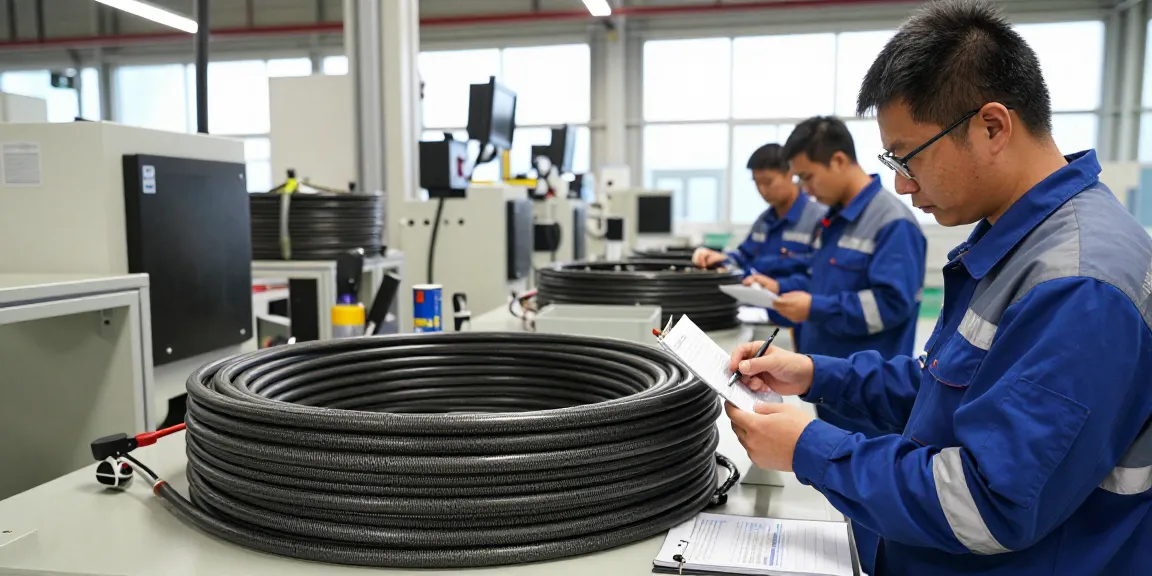
Quality is paramount in the realm of structural steel fabrication. The integrity of a building or structure relies heavily on the steel components used in its construction. High-quality fabrication ensures that these components can withstand the stresses and loads they are designed to support. Poor quality can lead to structural failures, which not only pose significant safety risks but also result in costly repairs and legal liabilities.
To maintain high standards, fabrication processes must adhere to established codes and regulations, such as the American Institute of Steel Construction (AISC) specifications. Regular quality assessments, inspections, and certifications play a crucial role in ensuring that fabricated steel meets performance and safety criteria.
Common Applications of Structural Steel Fabrication
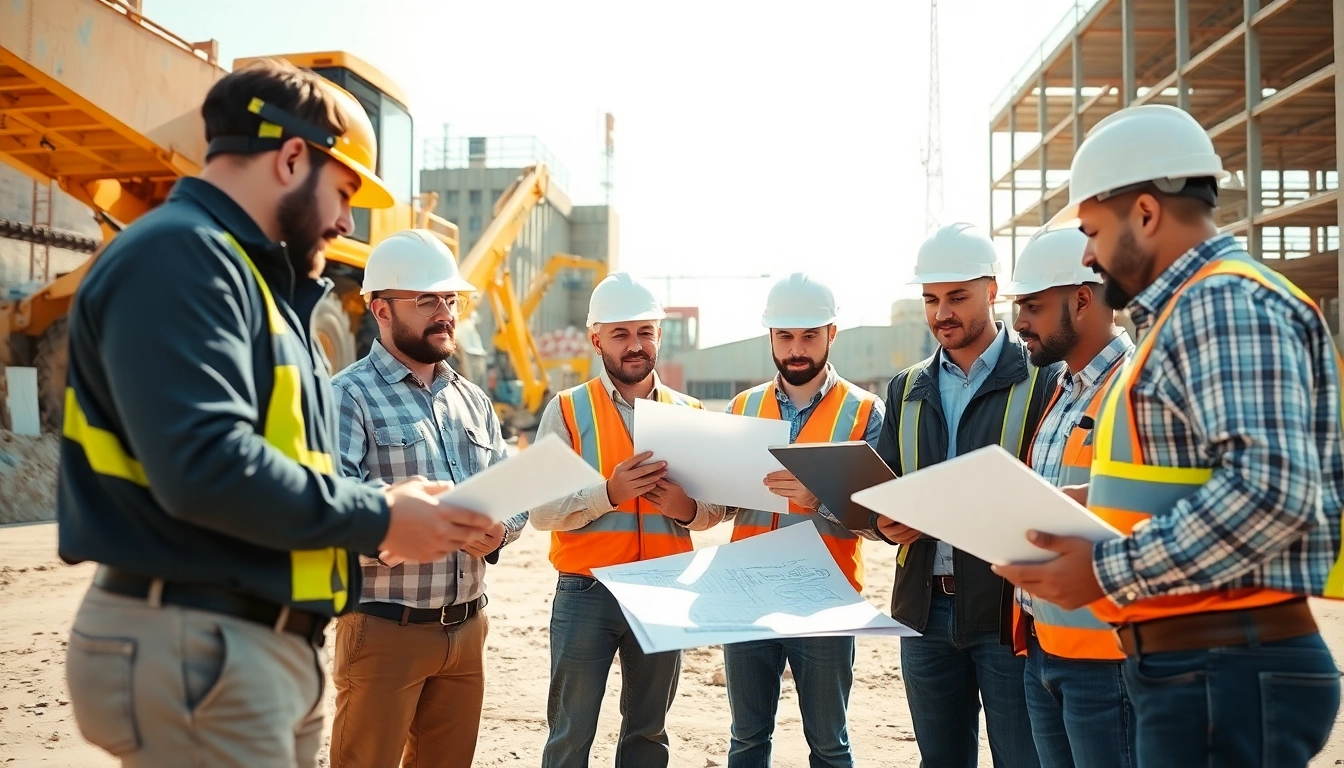
Structural steel fabrication is utilized in a myriad of applications across various industries. Common applications include:
- Building constructions, including residential, commercial, and industrial structures.
- Bridges and overpasses that require strong and resilient support.
- Heavy machinery frames and supports in manufacturing facilities.
- Transportation infrastructure, such as railways and airports.
- Sporting venues, including stadiums and arenas.
The versatility of structural steel, combined with its strength-to-weight ratio, makes it an ideal choice for these applications, enhancing the overall functionality and aesthetic of the projects.
Key Processes in Structural Steel Fabrication
Cutting and Shaping Steel: Techniques and Tools
The initial stage of steel fabrication involves cutting and shaping the raw material. Various techniques are employed for this purpose, including:
- Shearing: A process that uses sharp blades to cut through steel sheets, commonly used for sheets up to certain thicknesses.
- Plasma Cutting: Utilizes a plasma torch to cut metal at high speeds, ideal for intricate designs and thicker materials.
- Water Jet Cutting: An environmentally friendly technique that uses high-pressure water mixed with abrasives to cut through metal, allowing for high precision.
- Laser Cutting: Offers extreme precision and is preferably utilized for intricate and complex shapes.
The choice of cutting technique depends on various factors including the type of steel, thickness, desired precision, and project specifications. Following the cutting process, shaping techniques such as bending and forming are also applied to achieve the desired geometries.
Welding Methods for Structural Steel Fabrication
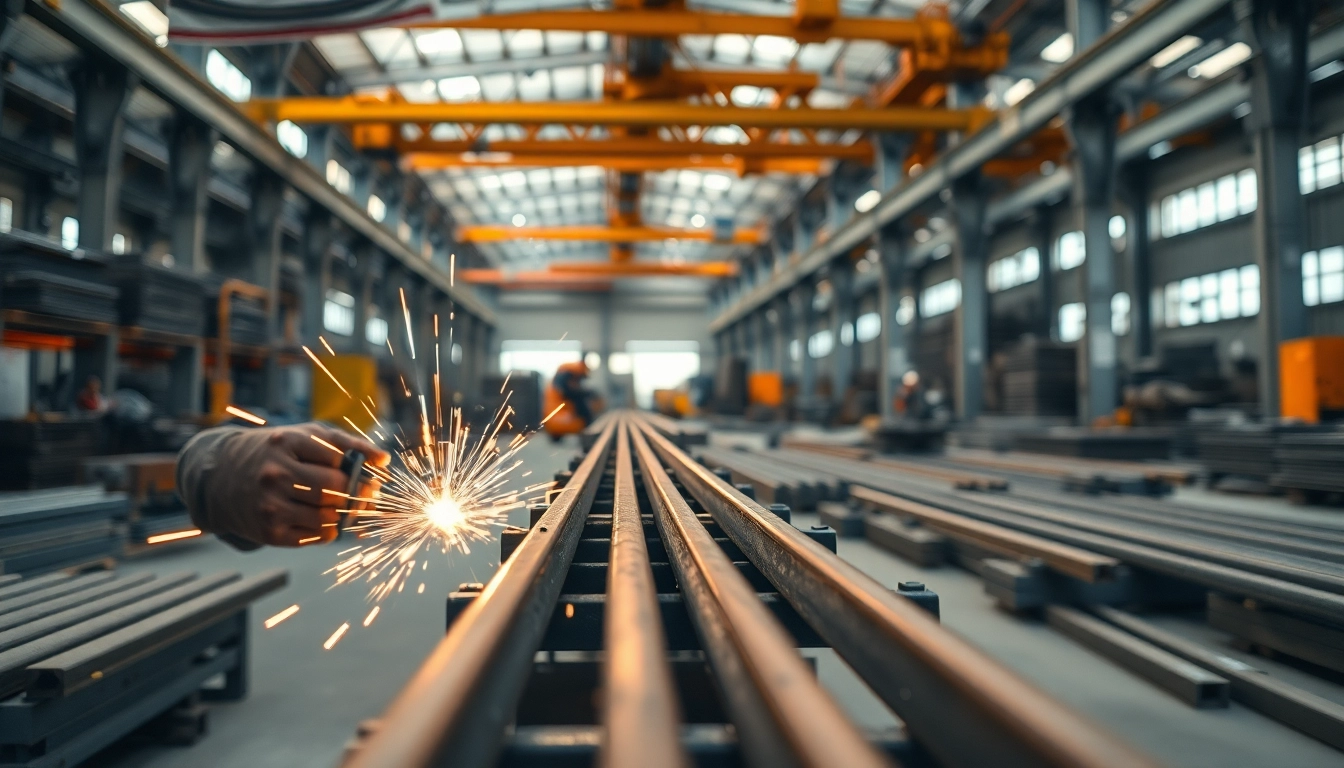
Welding is a crucial part of structural steel fabrication, as it connects various steel components securely. Different welding methods are applied, including:
- Shielded Metal Arc Welding (SMAW): Commonly known as stick welding, it's versatile for various conditions and materials but requires a skilled welder.
- Gas Metal Arc Welding (GMAW): Also known as MIG welding, it is efficient for higher-speed production and provides robust welds.
- Tungsten Inert Gas Welding (TIG): Offers high precision and is suitable for thinner materials, producing clean and strong welds.
- Submerged Arc Welding (SAW): Utilized for thicker materials in large components, producing deep weld penetration and minimal spattering.
The choice of welding method typically depends on factors such as the type of materials, thickness, and the specific requirements of the project. Ensuring that welds are tested for structural integrity is critical for safety and quality assurance.
Finishing Techniques to Enhance Durability
Post-fabrication, steel components go through various finishing processes that enhance their durability and resistance to environmental factors. Common finishing techniques include:
- Galvanization: A process of coating the steel with a protective layer of zinc to prevent corrosion.
- Painting: Applying a protective enameled coating that also allows for color customization.
- Powder Coating: A more durable alternative to traditional paint that provides a tougher finish resistant to scratches and weathering.
- Passivation: A chemical treatment that enhances the corrosion resistance of stainless steel.
Applying these finishing techniques not only extends the life span of the structural steel components but also improves their aesthetic appeal and overall performance in varied environments.
Choosing the Right Materials for Structural Steel Fabrication
Types of Steel Used in Structural Fabrication
Selecting the right type of steel is critical for structural steel fabrication, as different types offer various properties suitable for specific applications. Common steel types include:
- Carbon Steel: Known for its strength and ductility, it is the most widely used type in structural applications.
- Alloy Steel: Contains additional elements to enhance certain properties, such as strength and corrosion resistance.
- Stainless Steel: Highly resistant to corrosion and staining, making it ideal for applications that are exposed to harsh conditions.
- High-Strength Low-Alloy (HSLA) Steel: Provides increased strength with weight savings, making it suitable for large structures.
The selection process involves evaluating the expected mechanical properties, environmental conditions, and budget considerations, which ultimately affect performance and longevity.
Specifications and Standards in Material Selection
Understanding and adhering to specifications and standards is crucial for ensuring that selected materials meet the required safety and performance criteria. Standards set forth by organizations such as ASTM International and the American Welding Society (AWS) outline material grades, fabrication processes, and testing methods. These guidelines ensure that fabricators consistently produce reliable and structurally sound components.
Furthermore, compliance with local building codes and international standards is essential for legal and regulatory approval of structural projects. Regular audits and inspections during the material procurement stage help uphold quality and reliability in the fabricated steel components.
Evaluating Material Suppliers for Quality Assurance
Choosing the right suppliers is a key factor in maintaining quality assurance throughout the fabrication process. Here are some steps to evaluate suppliers:
- Certifications: Ensure the supplier holds relevant certifications such as ISO 9001 and complies with industry-standard quality control measures.
- Reputation: Research and gather feedback regarding the supplier's previous work, reliability, and delivery timelines.
- Traceability: Verify whether the supplier can provide traceability of materials back to the original manufacturer, ensuring authenticity and quality.
- Technical Support: Evaluate the level of technical support the supplier offers for material selection and compatibility with the intended application.
By applying these evaluation criteria, fabricators can establish long-term relationships with material suppliers that meet their quality standards and contribute to overall project success.
Challenges in Structural Steel Fabrication
Addressing Common Fabrication Issues
Structural steel fabrication presents a range of challenges that can impact efficiency and quality. Common issues include:
- Inaccurate Measurements: Errors in dimensions can lead to reworks and increased material waste. Implementing strict measurement protocols can help mitigate this risk.
- Weld Defects: Poor welding techniques may lead to defects such as cracks or excessive spatter. Regular training and adherence to established welding procedures are vital for quality assurance.
- Supply Chain Delays: Delays in material delivery can affect project timelines. Maintaining good relationships with multiple suppliers can improve reliability and mitigate delays.
By proactively addressing these challenges, fabricators can enhance operational efficiency and reduce costs associated with delays and reworks.
Ensuring Safety Standards in the Workshop
Safety should always be a top priority in structural steel fabrication workshops. Implementing comprehensive safety standards can prevent accidents and injuries. Key aspects include:
- Personal Protective Equipment (PPE): Ensure that all workers are equipped with appropriate PPE such as helmets, gloves, eye protection, and steel-toed boots.
- Training Programs: Conduct regular safety training sessions to educate employees about risks and safe operating procedures.
- Workstation Organization: Maintain a clean and organized workspace to reduce hazards and enhance work efficiency.
- Emergency Protocols: Establish clear emergency procedures and conduct regular drills to prepare all workers for emergency situations.
Ensuring compliance with Occupational Safety and Health Administration (OSHA) regulations and maintaining an active safety culture can significantly reduce workplace incidents.
Sustainability Practices in Steel Fabrication
With growing concerns over environmental impact, integrating sustainability practices into structural steel fabrication is becoming increasingly essential. These practices can include:
- Material Recycling: Utilizing recycled steel can significantly reduce waste and energy consumption associated with production.
- Efficient Energy Use: Implementing energy-efficient equipment and practices can minimize energy consumption during fabrication.
- Green Certifications: Seeking green certifications for projects can attract environmentally conscious customers and enhance company reputation.
- Life Cycle Assessment: Conducting assessments can help evaluate the ecological impact of materials and processes, guiding better decisions for sustainability.
Engaging in these sustainable practices not only contributes to environmental preservation but can also enhance profitability through energy savings and material conservation.
Future Trends in Structural Steel Fabrication
Technological Innovations Impacting Steel Fabrication
The landscape of structural steel fabrication is continuously evolving due to advancements in technology. Key innovations affecting the industry include:
- Building Information Modeling (BIM): BIM technology allows for enhanced collaboration and visualization, enabling better planning and execution of steel fabrication projects.
- Automation and Robotics: The integration of robotic systems can improve precision and efficiency, reducing labor costs while increasing output.
- 3D Printing: Emerging techniques in 3D printing are providing new opportunities for rapid prototyping and customization in steel components.
- IoT and Smart Manufacturing: The Internet of Things (IoT) enables real-time monitoring and data analysis, optimizing production processes and improving decision-making.
Adapting to these technological innovations will greatly enhance fabricators' capabilities in delivering high-quality and efficient outcomes.
Economic Factors Influencing the Industry
The structural steel fabrication industry is strongly influenced by various economic factors including material costs, labor rates, and construction demand. Key considerations for fabricators include:
- Market Fluctuations: Price volatility in steel and other raw materials can impact project costs and profitability.
- Labor Shortages: Increasing demand for skilled labor can drive up wages and affect availability, necessitating investment in training and apprenticeship programs.
- Global Trade Policies: Tariffs, trade agreements, and regulations can shape the competitive landscape and supply chain dynamics.
Understanding these economic factors is crucial for fabricators to navigate challenges and seize opportunities in the market.
Skills Development and Training for Future Fabricators
As technology evolves, there is an increasing need for skilled labor in structural steel fabrication. Continuous education and training programs should focus on:
- Advanced Fabrication Techniques: Teaching new employees modern cutting, welding, and finishing techniques to stay competitive.
- Safety Training: Providing ongoing safety education to adhere to regulations and promote a safety-first culture.
- Technology Integration: Training on software tools like CAD and BIM to ensure workers are proficient in contemporary digital workflows.
- Soft Skills: Emphasizing teamwork and communication skills to promote effective collaboration within fabrication teams.
By investing in skills development and training, companies can ensure they maintain a workforce capable of meeting industry demands now and in the future.