
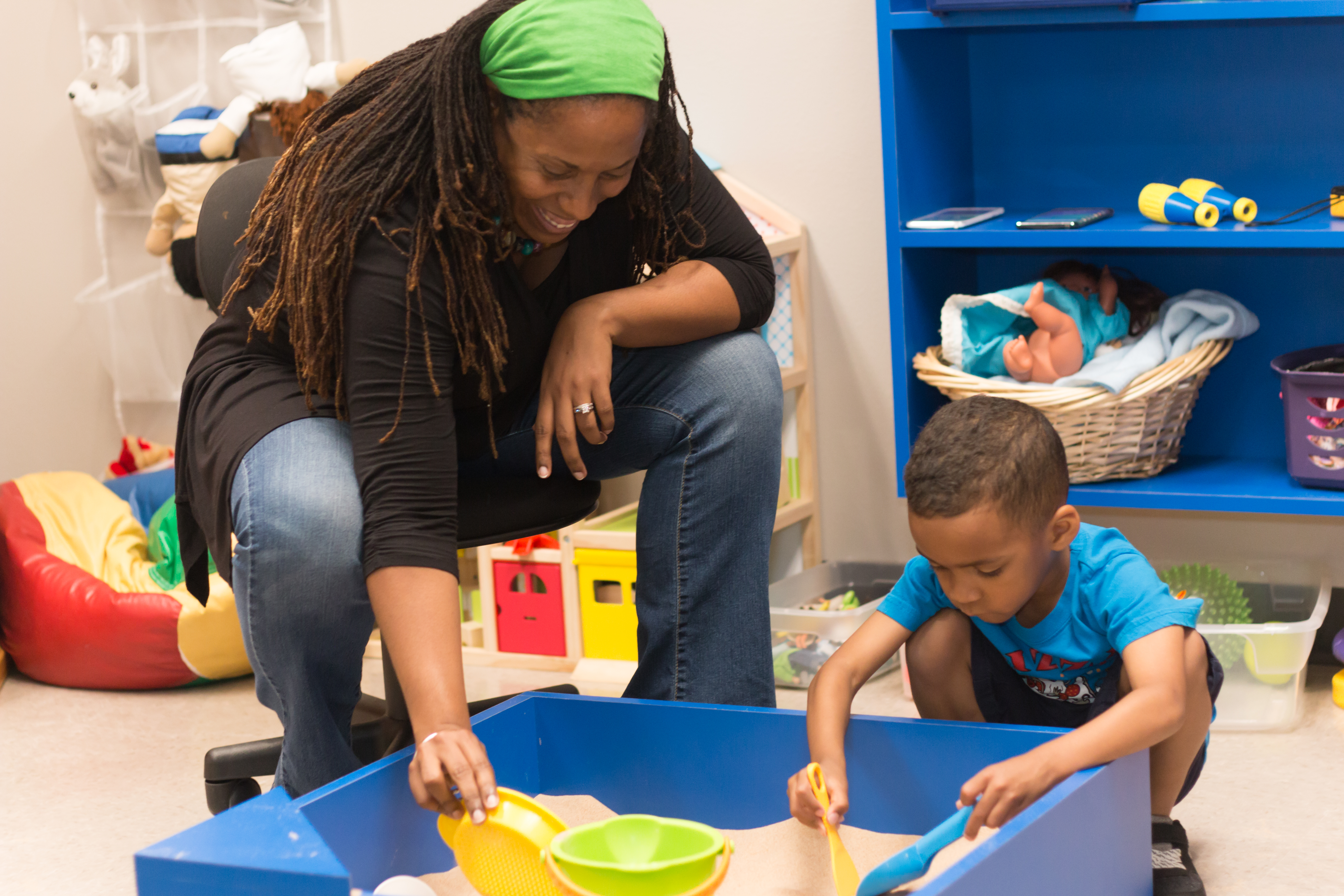
Social skills are fundamental to a child’s overall development. They impact relationships, learning, communication, and emotional well-being. For children with autism spectrum disorder (ASD) or other developmental differences, social interactions can be challenging. Kidd ABA Therapy specializes in enhancing social skills through Applied Behavior Analysis (ABA) therapy, providing personalized, evidence-based interventions that help children thrive in social environments. By focusing on meaningful, practical skills and reinforcing positive behaviors, Kidd ABA Therapy empowers children to connect with others, communicate effectively, and build confidence.
Understanding Social Skills in Children
Social skills are the abilities that allow children to interact appropriately and effectively with peers, family members, and adults. These include verbal and nonverbal communication, turn-taking, sharing, understanding emotions, initiating and responding to interactions, and following social rules. Developing social skills is critical for forming friendships, succeeding in school, and navigating everyday life.
Children with developmental differences may struggle with social communication, interpreting social cues, or managing emotions in social settings. These challenges can sometimes lead to frustration, isolation, or behavioral issues. ABA therapy addresses these difficulties by breaking social skills down into teachable, manageable steps and reinforcing positive social behaviors in a structured, supportive environment. For More Visit Our Website:https://www.kiddsaba.com/
The Role of ABA Therapy in Social Skill Development
Applied Behavior Analysis (ABA) is a research-based approach that focuses on understanding behavior, teaching new skills, and reinforcing positive behaviors. ABA therapists analyze how a child responds to their environment and design interventions to encourage desired behaviors while reducing barriers to social engagement.
Kidd ABA Therapy uses ABA principles to enhance social skills in a way that is individualized and meaningful for each child. Key strategies include:
1. Discrete Trial Training (DTT)
DTT is a structured ABA technique used to teach specific social skills in small, manageable steps. For example, a child might learn how to greet a peer or take turns in a game. Each step is taught systematically, with reinforcement provided for successful completion.
2. Natural Environment Teaching (NET)
While DTT focuses on structured learning, NET emphasizes practicing social skills in real-life situations. This approach encourages children to generalize social behaviors across settings, such as home, school, or playgrounds, making learned skills functional and practical.
3. Modeling and Role-Playing
Therapists model appropriate social behaviors and engage children in role-playing scenarios. For example, practicing greetings, sharing toys, or asking for help allows children to learn by observation and practice in a safe, guided environment.
4. Positive Reinforcement
ABA therapy emphasizes reinforcement rather than punishment. When a child demonstrates a desired social behavior, they receive praise, tokens, or other motivators. This approach encourages repeated practice and builds confidence in social interactions.
5. Social Stories and Visual Supports
Kidd ABA Therapy uses social stories, picture schedules, and visual cues to help children understand social expectations and routines. These tools can make abstract social rules more concrete and easier to follow.
Personalized Social Skills Programs
Every child has unique strengths, challenges, and interests. Kidd ABA Therapy designs social skills programs tailored to the individual child. The process begins with a comprehensive assessment to determine the child’s current social abilities, communication style, and areas requiring support. From there, therapists create an individualized plan with clear goals and measurable outcomes.
Personalized interventions may include:
- Initiating interactions: Teaching children how to start conversations or join group activities.
- Responding to peers: Helping children answer questions, acknowledge greetings, or participate in cooperative play.
- Emotion recognition: Guiding children to identify their own emotions and understand others’ feelings.
- Problem-solving skills: Equipping children with strategies to handle conflicts or misunderstandings.
- Perspective-taking: Encouraging empathy and understanding of others’ viewpoints.
By tailoring therapy to the child’s needs and interests, Kidd ABA Therapy ensures that social skills development is engaging, relevant, and effective.
Family Involvement in Social Skills Training
Families play a critical role in reinforcing social skills. Kidd ABA Therapy emphasizes collaboration with parents and caregivers, providing training and support to practice skills at home and in the community. Family involvement may include:
- Parent coaching: Teaching strategies for prompting social behaviors, reinforcing progress, and managing challenges.
- Consistent practice: Encouraging social interactions in everyday routines, such as mealtime, playground visits, or community outings.
- Communication and feedback: Regular updates on progress, challenges, and strategies to support ongoing development.
By involving families, social skills learned during therapy sessions are generalized and maintained in natural environments, enhancing long-term success.
Benefits of Social Skills Development Through ABA Therapy
Enhancing social skills has far-reaching benefits for children. Some of the most significant outcomes observed in Kidd ABA Therapy include:
- Improved communication: Children learn to express their needs, share ideas, and engage in meaningful conversations.
- Better peer relationships: Increased confidence and social understanding enable children to make friends and participate in group activities.
- Reduced behavioral challenges: Many challenging behaviors are linked to frustration with social communication. Teaching social skills can reduce these issues.
- Enhanced independence: Children develop the confidence to navigate social situations on their own, contributing to self-esteem and autonomy.
- Academic success: Social competence supports collaboration, following instructions, and participation in classroom activities.
The Kidd ABA Therapy Difference
Kidd ABA Therapy stands out because of its commitment to individualized, evidence-based interventions that focus on real-world outcomes. The team of Board Certified Behavior Analysts (BCBAs) and Registered Behavior Technicians (RBTs) work together to create a supportive, nurturing environment where children can explore, learn, and succeed socially.
Key elements that differentiate Kidd ABA Therapy include:
- Child-centered programs: Therapy is designed around the child’s interests, strengths, and goals.
- Collaborative approach: Families, teachers, and therapists work together to reinforce skills across settings.
- Data-driven progress monitoring: Therapists track social skill development continuously to ensure interventions are effective and adjusted as needed.
- Emphasis on positive experiences: Social skills are taught in ways that are enjoyable, engaging, and motivating for the child.
Helping Children Thrive Socially
Social skills are more than just a set of behaviors—they are the foundation for relationships, learning, and personal growth. Kidd ABA Therapy is dedicated to helping children develop these essential skills in a structured, compassionate, and individualized way. Through evidence-based ABA strategies, personalized programs, and family collaboration, children gain the tools and confidence to engage meaningfully with others and navigate the social world successfully.