
In the modern era of security, organizations face increasingly complex challenges that demand advanced solutions. Traditional surveillance methods, which rely solely on human monitoring, often fail to provide timely threat detection or actionable intelligence. Video analytics systems powered by artificial intelligence (AI) are now redefining the way businesses, public institutions, and critical infrastructure approach security. By incorporating AI-based threat confirmation, video analytics systems not only enhance monitoring capabilities but also transform how security teams respond to potential risks.
The Evolution of Security Surveillance
Security surveillance has come a long way from simple cameras recording footage for later review. Early systems depended entirely on human operators to monitor multiple screens simultaneously, a task that was both labor-intensive and prone to human error. Incidents could easily go unnoticed, and response times were often slow. Video analytics systems change this paradigm by adding intelligence to surveillance. These systems can analyze video feeds in real-time, detect unusual behavior, and automatically confirm potential threats. This evolution from reactive to proactive security ensures that organizations can mitigate risks before they escalate into critical incidents.
Understanding AI-Based Threat Confirmation
One of the most significant advancements in modern surveillance is AI-based threat confirmation. Traditional alerts often generate false positives, creating unnecessary distractions for security personnel. Video analytics systems leverage machine learning algorithms to assess the severity and credibility of potential threats, ensuring that only verified alerts reach human operators. This capability reduces false alarms and enables security teams to focus on genuine threats. For instance, a video analytics system can differentiate between harmless movements, such as an animal passing by, and unauthorized human activity in restricted areas, providing accurate and actionable insights.
Enhancing Real-Time Monitoring
Video analytics systems provide unparalleled support for real-time monitoring. By analyzing continuous streams of video data, these systems can detect patterns, anomalies, and suspicious behavior instantly. This allows security teams to respond proactively rather than reactively. Facilities such as airports, shopping centers, and industrial sites greatly benefit from this technology, as video analytics systems can identify potential security breaches or hazards as they occur. Real-time threat confirmation ensures that alerts are reliable, reducing the burden on security personnel while improving overall safety.
Integration with Existing Infrastructure
One of the key advantages of video analytics systems is their ability to integrate seamlessly with existing security infrastructure. Organizations do not need to replace all their cameras or overhaul their surveillance systems to benefit from AI-based threat confirmation. Video analytics systems can be applied to current camera networks, enhancing their functionality without substantial additional investment. This integration creates a unified security platform where alerts, video feeds, and analytics work together to provide a complete picture of security operations. Such seamless integration ensures that organizations can quickly upgrade their surveillance capabilities without disrupting daily operations.
Reducing False Alarms and Improving Accuracy
False alarms are a persistent challenge in conventional security systems, often causing wasted resources and delayed responses. Video analytics systems tackle this problem by analyzing contextual data to verify the legitimacy of a threat. AI-based algorithms evaluate movement, behavior patterns, and environmental factors to confirm whether an alert is genuine. As a result, security teams receive more accurate notifications, allowing them to prioritize real incidents. This enhanced accuracy not only improves operational efficiency but also builds confidence in the security system’s reliability, which is critical for organizations responsible for protecting sensitive areas and assets.
Operational Efficiency and Resource Optimization
Beyond improving threat detection, video analytics systems contribute significantly to operational efficiency. By automating routine monitoring and alert verification, security personnel can focus on strategic decision-making and immediate response tasks. AI-based threat confirmation ensures that human operators are not overwhelmed with irrelevant alerts, reducing fatigue and improving situational awareness. Additionally, video analytics systems can provide insights into operational patterns, such as areas of high activity or recurring incidents, enabling organizations to allocate resources more effectively. This combination of improved monitoring and operational intelligence makes video analytics systems a vital tool for modern security management.
Applications Across Industries
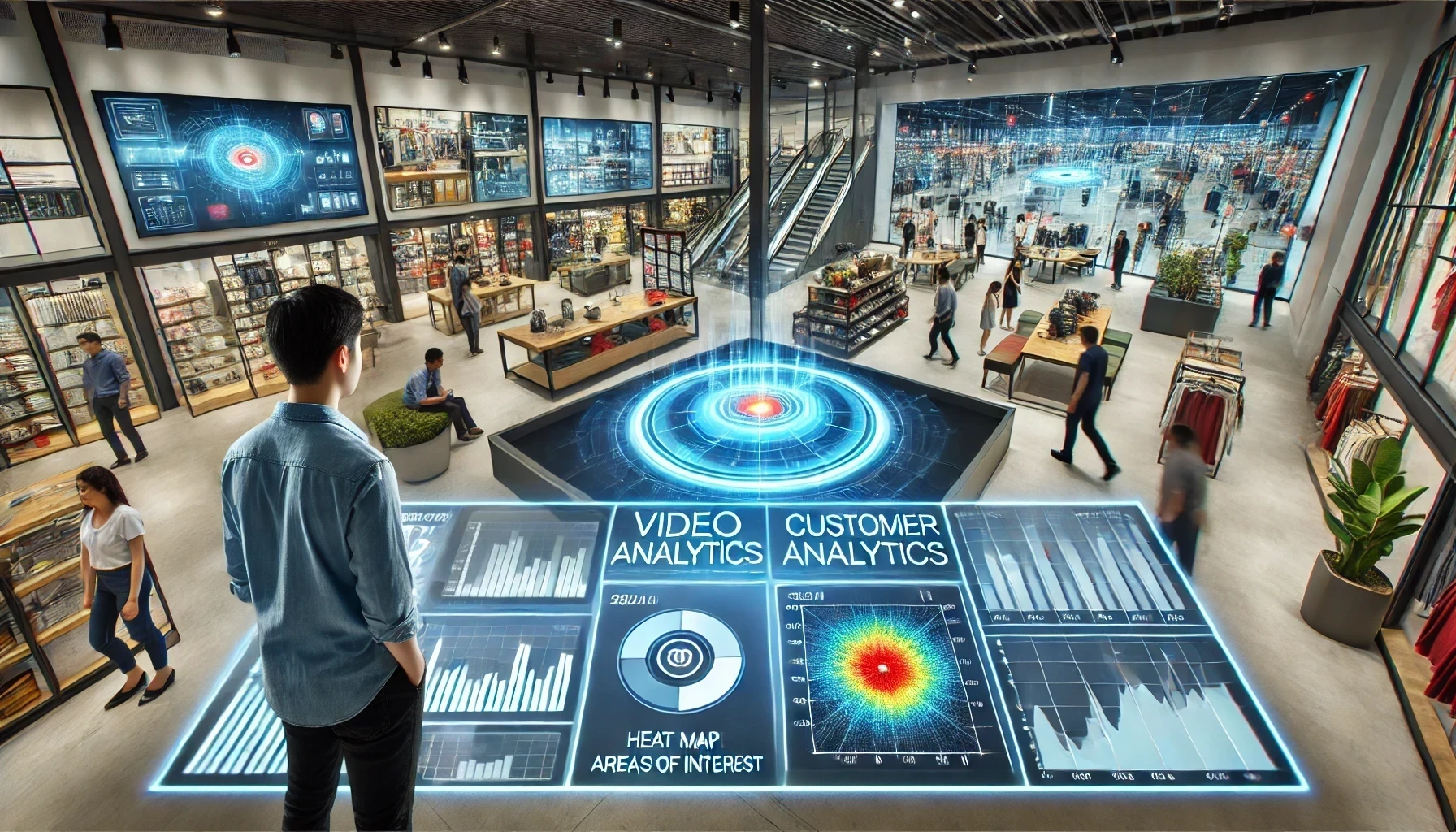
Video analytics systems are highly versatile and applicable across various sectors. In retail environments, these systems help prevent theft, monitor crowd movement, and analyze customer behavior. In transportation, video analytics systems enhance safety by identifying traffic violations, detecting accidents, and monitoring pedestrian flow. Critical infrastructure, including power plants, airports, and government buildings, relies on video analytics systems to safeguard sensitive areas and ensure compliance with security protocols. Healthcare facilities also benefit by monitoring restricted areas, protecting patients, and supporting emergency response. Across these industries, AI-based threat confirmation provided by video analytics systems is transforming security practices, making environments safer and more efficient.
Scalability and Future Growth
One of the most compelling advantages of video analytics systems is their scalability. These systems can manage surveillance from a few cameras in small facilities to hundreds of feeds in expansive operations without compromising performance. AI algorithms continuously learn from new data, becoming smarter and more accurate over time. As security challenges evolve, video analytics systems can adapt, identifying emerging threats and refining alert protocols. Investing in video analytics systems today ensures organizations are prepared for future security demands while maintaining a high level of protection for their assets and personnel.
Data-Driven Security Strategies
The insights provided by video analytics systems extend beyond immediate threat detection. By analyzing historical and real-time video data, organizations can make data-driven decisions about security strategy and resource allocation. Trends such as frequent unauthorized access attempts or peak activity periods can be identified, allowing preventive measures to be implemented proactively. AI-based threat confirmation ensures that data collected is accurate and actionable, giving decision-makers the confidence to optimize security protocols. Video analytics systems thus serve not only as a monitoring tool but also as a strategic asset for long-term security planning.
Compliance and Risk Management
Organizations operating in regulated industries face the constant challenge of maintaining compliance with security standards. Video analytics systems assist in meeting these requirements by providing verifiable, time-stamped records of incidents and alerts. AI-based threat confirmation ensures that all security events are accurately documented, supporting audits and regulatory reporting. Furthermore, these systems reduce operational risks by proactively identifying and confirming potential threats, minimizing the likelihood of breaches or compliance violations. By integrating video analytics systems, organizations strengthen both their security posture and their risk management framework.
The Future of Security with Video Analytics Systems
The adoption of video analytics systems represents a significant shift in how organizations approach security. By combining AI-based threat confirmation with real-time monitoring, organizations gain a proactive security solution that is both intelligent and efficient. These systems are evolving continuously, incorporating new AI technologies that enhance detection capabilities, improve accuracy, and expand operational insights. As threats become more sophisticated, organizations that implement video analytics systems will be better equipped to protect their people, assets, and reputation.
Conclusion
Video analytics systems are transforming security by introducing intelligence, efficiency, and accuracy to surveillance operations. With AI-based threat confirmation, these systems go beyond simple monitoring, providing actionable insights, reducing false alarms, and enabling proactive responses. Their ability to integrate with existing infrastructure, scale according to organizational needs, and generate data-driven insights makes video analytics systems an essential investment for modern security strategies. Organizations that embrace video analytics systems today are positioning themselves for a safer, smarter, and more resilient future.
FAQs
What are video analytics systems?Video analytics systems are AI-powered surveillance technologies that analyze video feeds in real-time to detect and confirm potential threats, enhancing security operations.
How do video analytics systems improve threat detection?By leveraging AI algorithms, video analytics systems can differentiate between normal and suspicious activities, reducing false alarms and ensuring reliable alerts.
Can video analytics systems work with existing cameras?Yes, video analytics systems can integrate with current camera networks, adding intelligence and AI-based threat confirmation without major infrastructure changes.
Which industries benefit most from video analytics systems?Industries such as retail, transportation, healthcare, critical infrastructure, and government facilities see significant security and operational benefits from video analytics systems.
Are video analytics systems scalable?Absolutely. Video analytics systems can handle small installations with a few cameras or large operations with hundreds of feeds, adapting as organizational needs grow.